Hurricane Damage Roof Repair in Brooklyn, NY
Stand on a Red Hook roof after a hurricane and look in three directions. At the edge, for metal that wind has lifted. At the drains, for silt and leaves that show where water backed up. And across the field, for cuts and tears where debris landed. Hurricane damage on a flat roof is rarely one dramatic failure. It is a handful of small ones that add up, and the building below may have problems of its own, because the same storm that hurt the roof may have flooded the street outside. Photograph the roof from the hatch before any repair starts. Our crews assess and repair hurricane and tropical-storm damage on flat roofs, and the emergency line stays open overnight.
What Sandy did in Brooklyn
At the Battery the October 2012 surge stood 14.06 feet above average low tide, and about 51 square miles of the city went under water. Brooklyn's own flooding reached 4.5 feet in the worst spot, with large parts of Red Hook submerged while Coney Island and Brighton Beach sat in the evacuation zone. The first floor of Coney Island Hospital was submerged, and the Brooklyn-Battery Tunnel shut while East River subway tunnels filled with water. A roof sits above a surge, but the storm still reaches it. Wind loosens edges, and closed tunnels and flooded streets delay crews. A roof that is ready on paper, with clear drains, tight edges and a dry-in plan, comes through better. Keep the pre-storm rating and photos, since the carrier will ask for them.
Preparation beats speed. Before the season, a drain round on every roof clears baskets, flushes leaders and ties down loose items. A short plan names who clears drains, who phones the roofer and who deals with the insurer. A kit of tarps, sandbags for ballast and fasteners sits near the roof door in flood-prone blocks. Hospitals and clinics, such as Coney Island Hospital, add the question of which rooftop systems depend on power. An hour of preparation saves a day of cleanup.
Wind at the edge
In 2007 an EF2 tornado came through Bay Ridge and took the roof off a nearby Nissan dealership, with winds of 111 to 135 mph. A hurricane spreads strong wind across hours, and it works on edges, coping, flashing heads and the first rows of fasteners. Loose equipment covers and signs become projectiles.
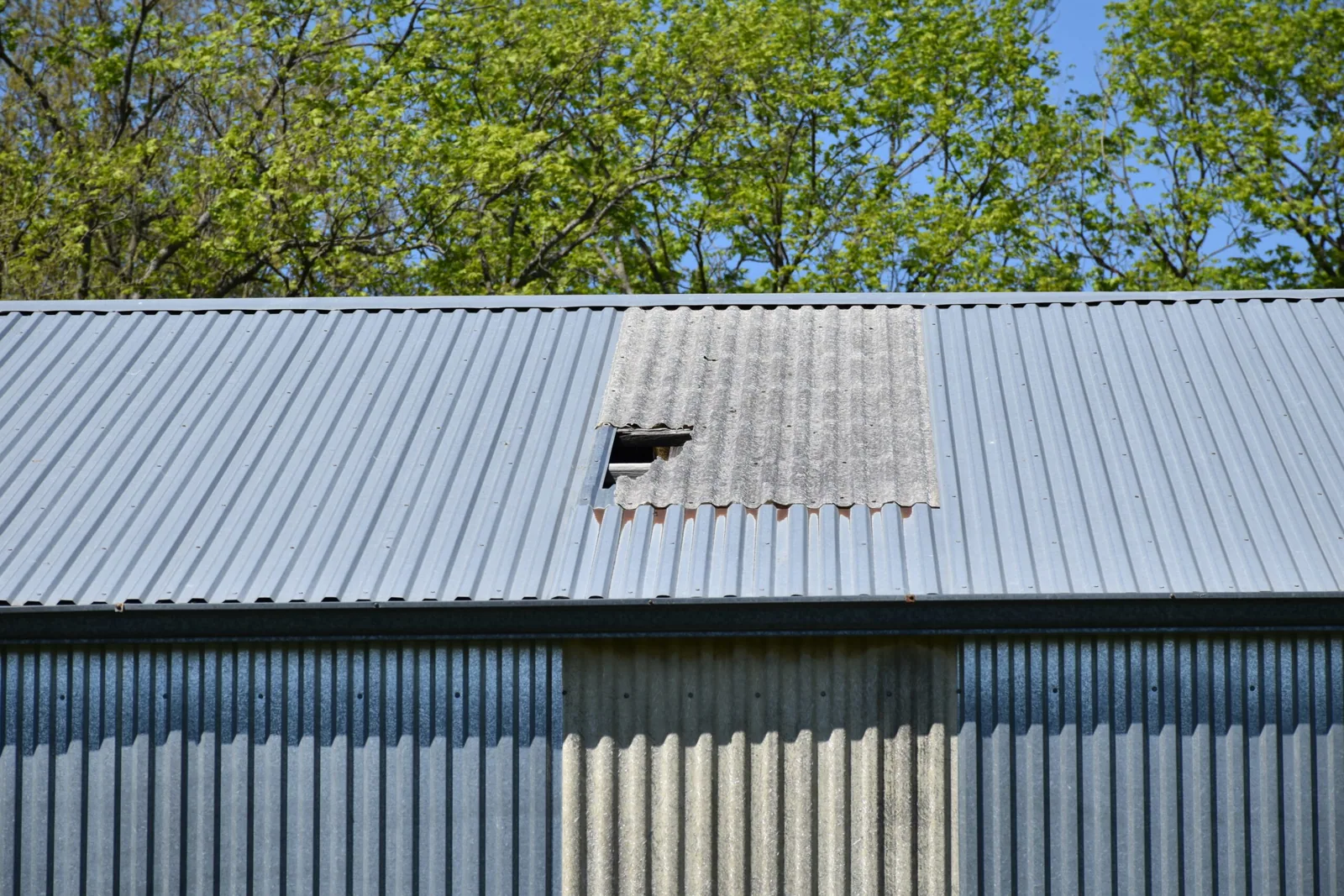
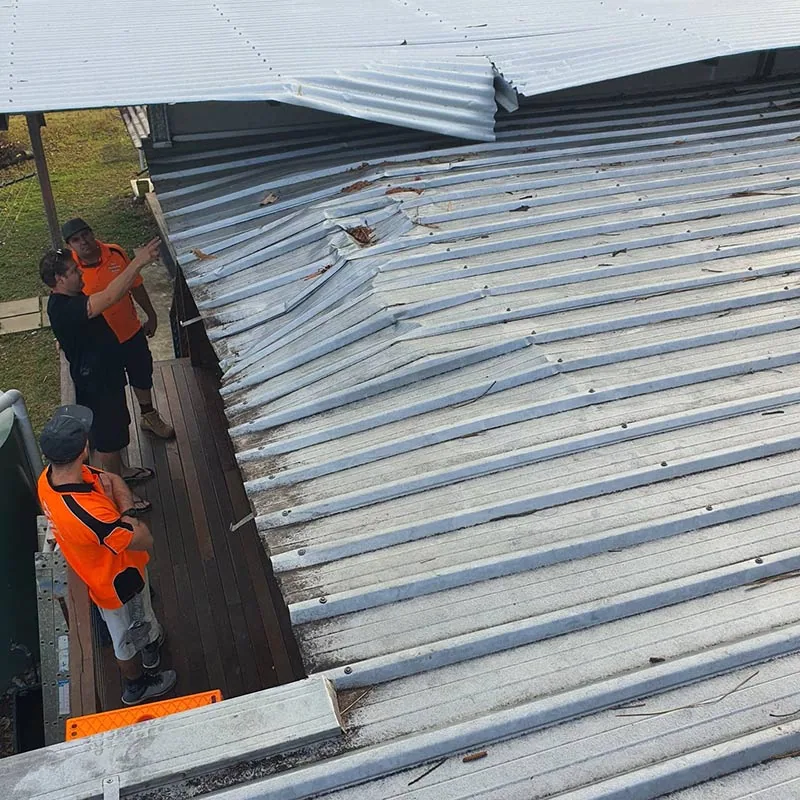
The walk starts at the perimeter and runs along every wall. Damage often follows the wind direction, and a displaced run of coping on the windward side says where the worst gust came from. Mechanical sheets flutter and wear at the plates. Ballast and pavers shift. Wind-lifted edges follow the sequence used on any wind-damaged roof. Secure loose items before a forecast storm, and photograph the roof once it passes.
Rain, drains and ponds
Ida's remnants brought a flash flood emergency on the first of September, 2021, and flooding shut down much of the subway. A roof drain is sized for a design rainfall, and an hour above it leaves water standing against the parapet.
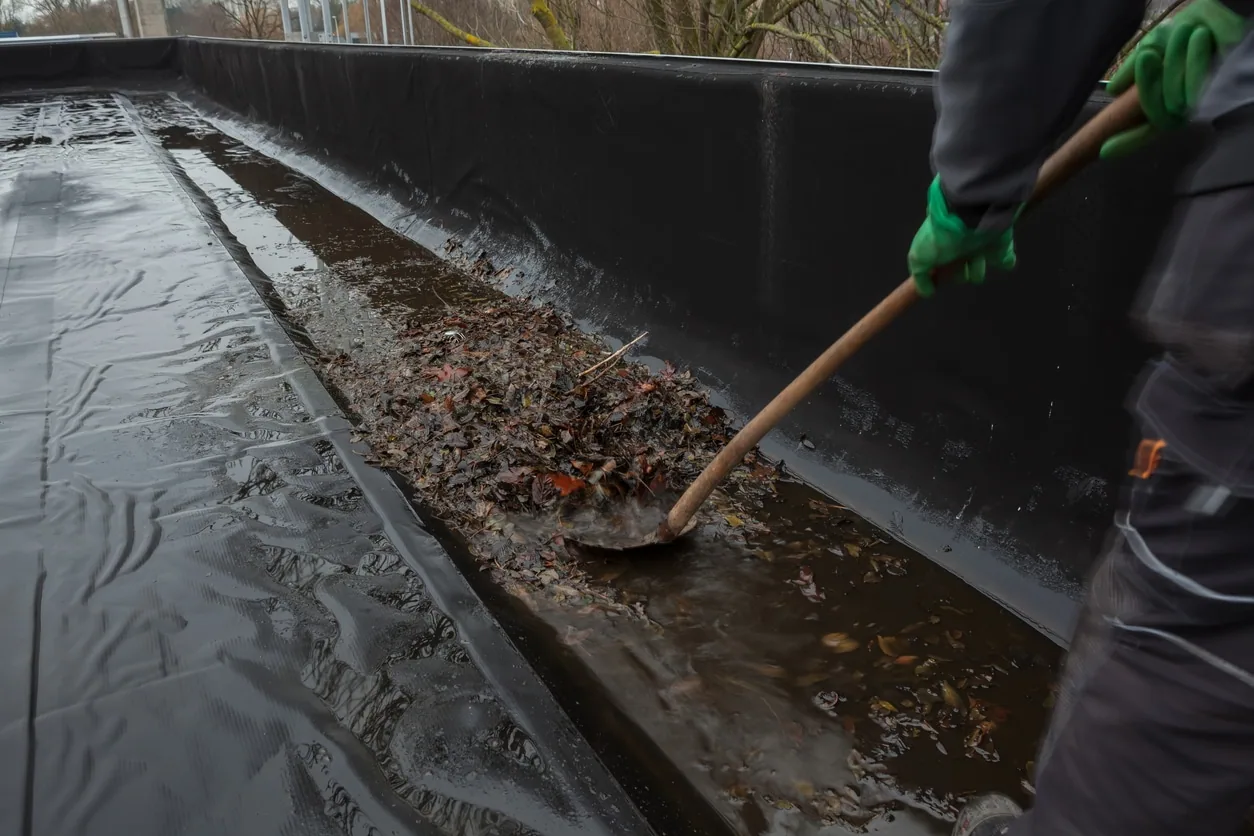
Water climbs to the lowest flashing and pours in. Afterward, silt rings the drain basket, wet streaks run down the parapet and a stain shows up in the corner farthest from the hatch. Leaders get flushed, the sump at each drain gets measured and a scan looks for wet insulation. Where a drain keeps overflowing, upsizing the drains and scuppers is usually the answer that holds, with a ponding water repair coming after. Clean the baskets before the season starts, and again the day before a forecast storm.
Low ground and open water
A roof on the Coney Island peninsula, which rises only 7 feet or so above sea level, meets wind with nothing to slow it, and the building under it may flood. Equipment that sits low, such as a rooftop unit on a short stand, is at risk in a heavy storm even on the roof.
Red Hook and Mill Basin share the lesson in other forms. The Belt Parkway through Mill Basin and the Gowanus Expressway through Red Hook decide when crews can arrive. We keep dry-in material close during storm season and agree in advance who authorizes an emergency start. Approval for an emergency start should not wait on a purchase order. Ask the owner who has the authority to approve work.
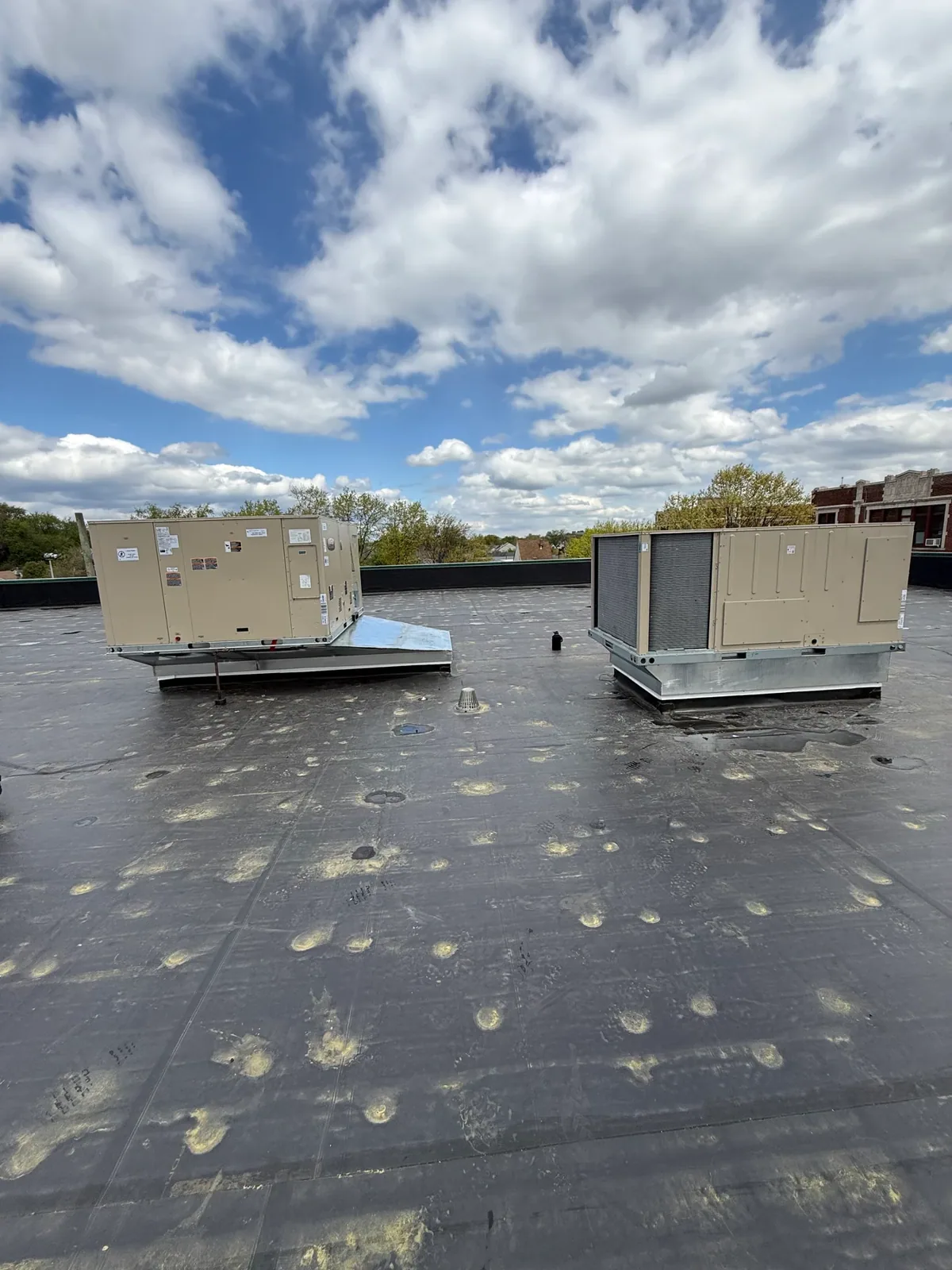
Equipment is a second front. A rooftop unit knocked off its curb tears its own flashing, and a cooling tower or a satellite dish bent by wind may take a slice of membrane with it. We check each attachment, test the fasteners and record whether the curb moved. The trades that own the equipment are told in writing, so a mechanical contractor does not reset a unit onto a damaged curb. Resetting equipment curbs and supports is often the second visit after a storm.
Debris and cuts
Wind-borne material cuts membranes. Branches, loose sheet metal, signs and pieces of nearby buildings strike the roof, and each leaves a cut or a dent. The cuts are small, and each one is a path for the next rain.
Once the storm passes, the field is scanned for impact marks, each one is probed and the insulation below gets a moisture reading. Each hole is handled as a membrane puncture repair. A roof that survived the wind may still have a dozen of them. Photograph anything on the roof that does not belong there before it is removed.
Snow and ice can follow a late-season storm. With snow near 30 inches a year, a roof with a lifted edge and a blocked drain takes a second hit when cold arrives. We include a note on how the temporary repair will hold through freeze and thaw, and we date the plan for the permanent fix. A temporary patch should never be left to carry a roof through winter without a note on the schedule.
Claims and resilience
A hurricane loss often mixes wind, rain and flood claims, and the carrier separates them. The roof file sorts items into wind, rain through damaged or overloaded details, and earlier wear. Dated photos, a moisture map, cores and the weather record build that picture. Roof insurance claim assistance turns that into a scope and estimate by line item.
Once the roof is dry, the repair can also improve what failed: more drain capacity, raised flashing at walls where water reached, tighter edge fastening and proper curbs for equipment. These cost little when added to a repair already under way. We list them separately so the owner and the carrier can decide which belong to the claim. For owners in Red Hook and Coney Island, the list matters most.
Commercial Roofing Questions
What gets repaired first after a hurricane?
Active water entry. Open roofs and failed drains get dried in first, edges and flashings next, the field last. The survey ranks the rest by risk to the building.
Does flood insurance cover roof damage?
Usually roof damage falls under wind and rain coverage and not flood coverage, but policies differ. The carrier decides; the records separate causes so each can be assessed.
When should drains be cleared before a storm?
Before the season and again the day before a forecast. A strainer cleared the day before can make the difference between a few inches of water and a flood.
Can a roof be repaired without power?
The dry-in can. We use portable gear, and permanent work resumes when conditions allow.
What should be off the roof before a storm?
Anything loose. Secure covers, remove debris and confirm that drains and scuppers are open. Photograph the roof so its pre-storm condition is on record.