Cool Roof Installation in Brooklyn, NY
Put a hand flat on a black roof in Sunset Park at three on a July afternoon and you will not leave it there long. The surface is far hotter than the air. That heat does two things. It pushes into the top floor of the building, and it bakes the membrane itself until it chalks, shrinks and cracks at the seams. A cool roof is a roof that sends most of that sunlight back up. July highs in New York City average near 85 F and the heat island effect is strong, so Brooklyn, NY roofs start the afternoon hot and finish hotter.
What a hot roof tells you
Look at an old dark roof in late summer. The surface has a fine alligator pattern. The edges of the sheet have pulled back from the parapet. Seams that were tight when new now show a hairline gap. Granules are gone from the drain basket. Each of those signs points at the same cause: the surface has been cycling from cold nights to scorching afternoons for years, and every cycle stretches and shrinks it.
A reflective surface narrows that cycle. It will not stop a roof from aging, but it slows the part of aging that comes from heat. On a heat and UV damaged roof that is otherwise sound, a reflective coating can be the cheapest way to buy more years.
Three ways to get a reflective surface
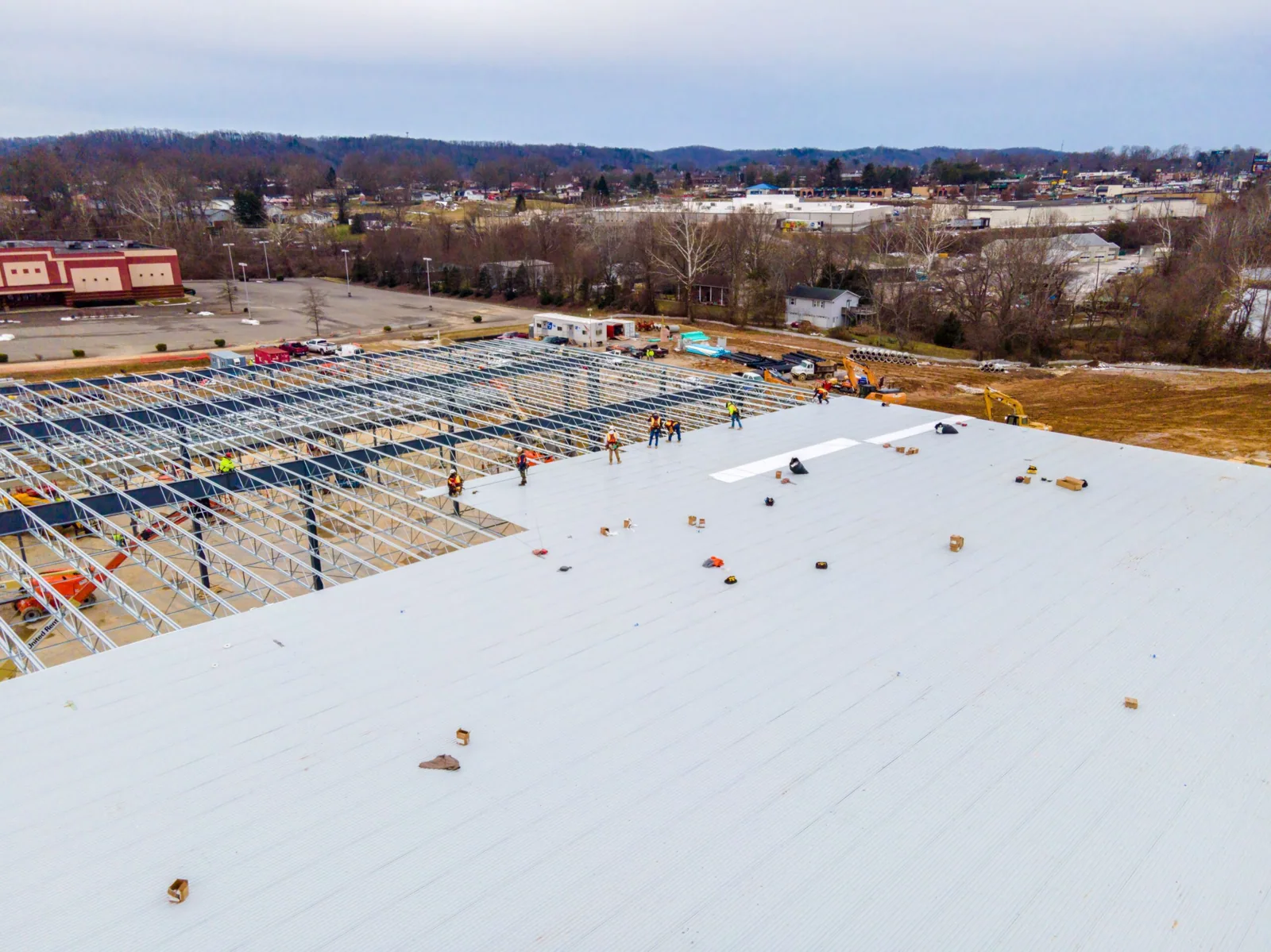
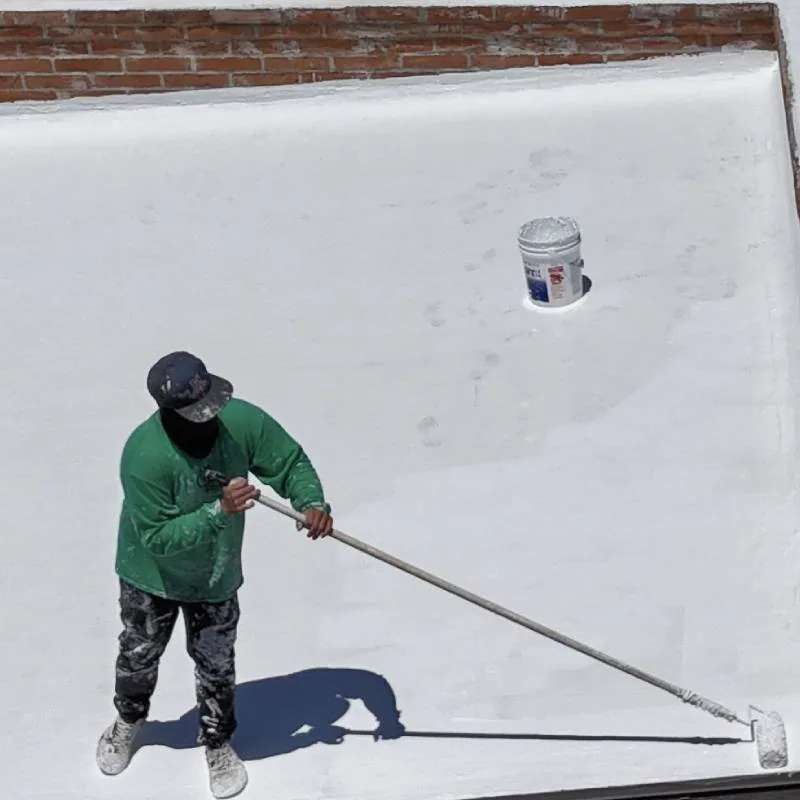
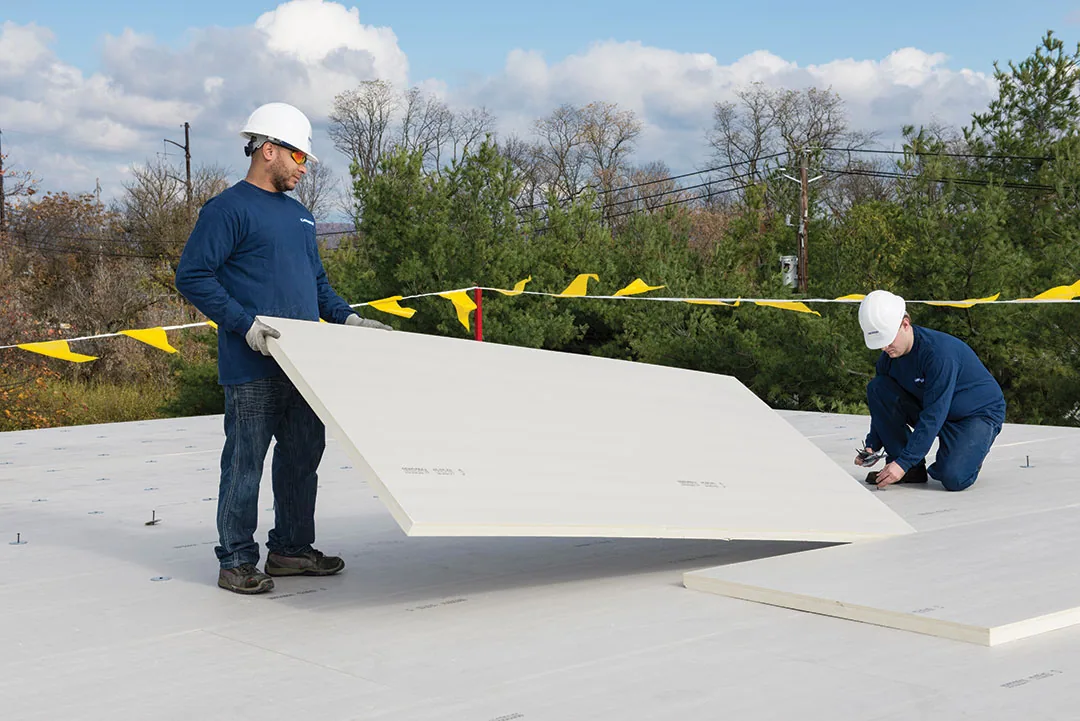
One route is a new white single-ply membrane such as TPO. It reflects from day one and is welded at the seams. The second is a liquid coating over a sound existing roof. A silicone coating also handles standing water, and an acrylic is lighter and costs less where the roof drains well. The third is a reflective cap sheet or granules on a modified bitumen roof.
Each has limits. A coating needs a dry roof and a surface it will stick to, so we test both first. A new sheet makes sense only when the roof is due for replacement. A cap sheet needs a roof built for one. We tell the owner which of the three fits the roof in front of us, and what each costs, before anyone mixes a bucket.
Why this building
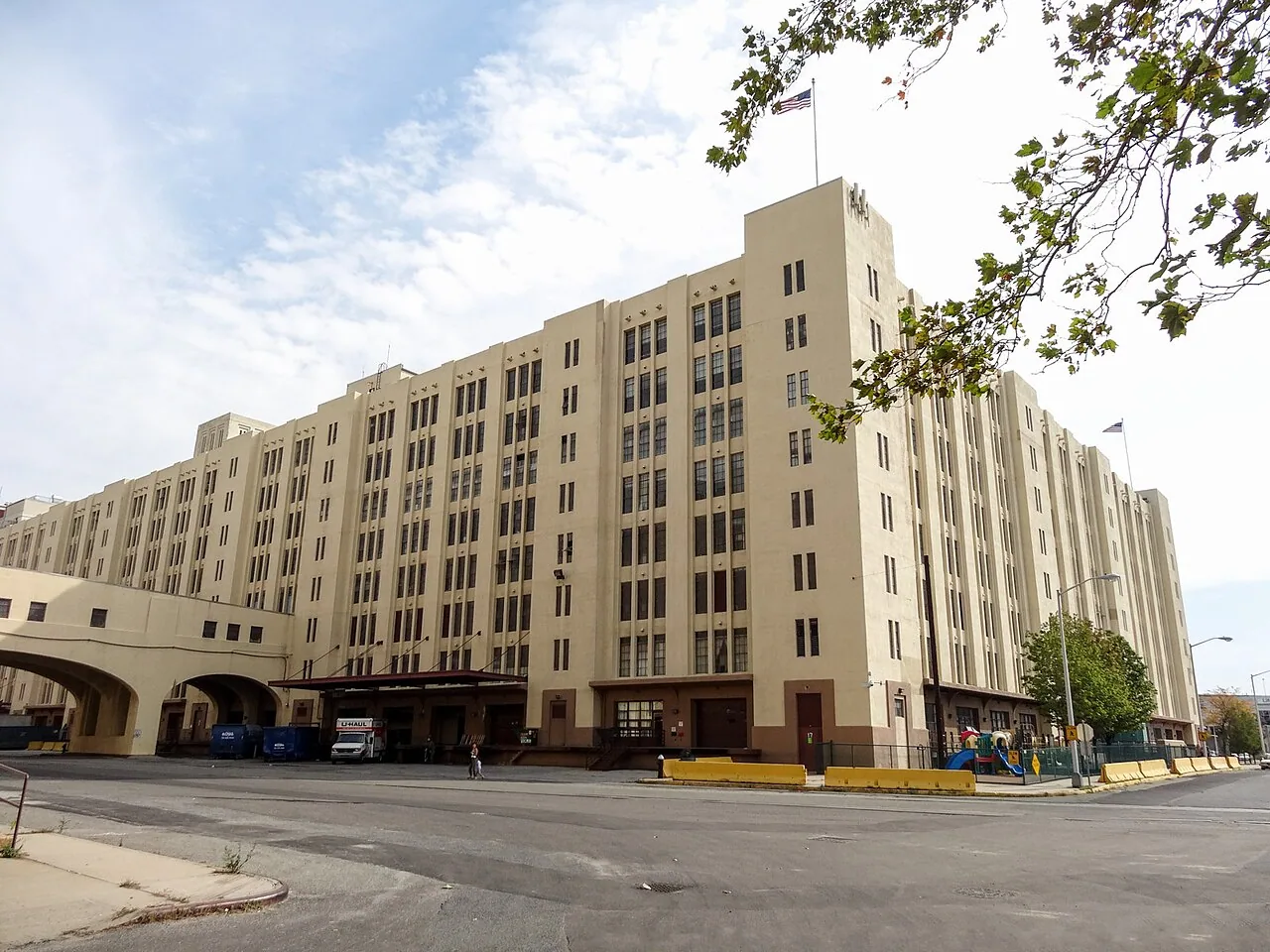
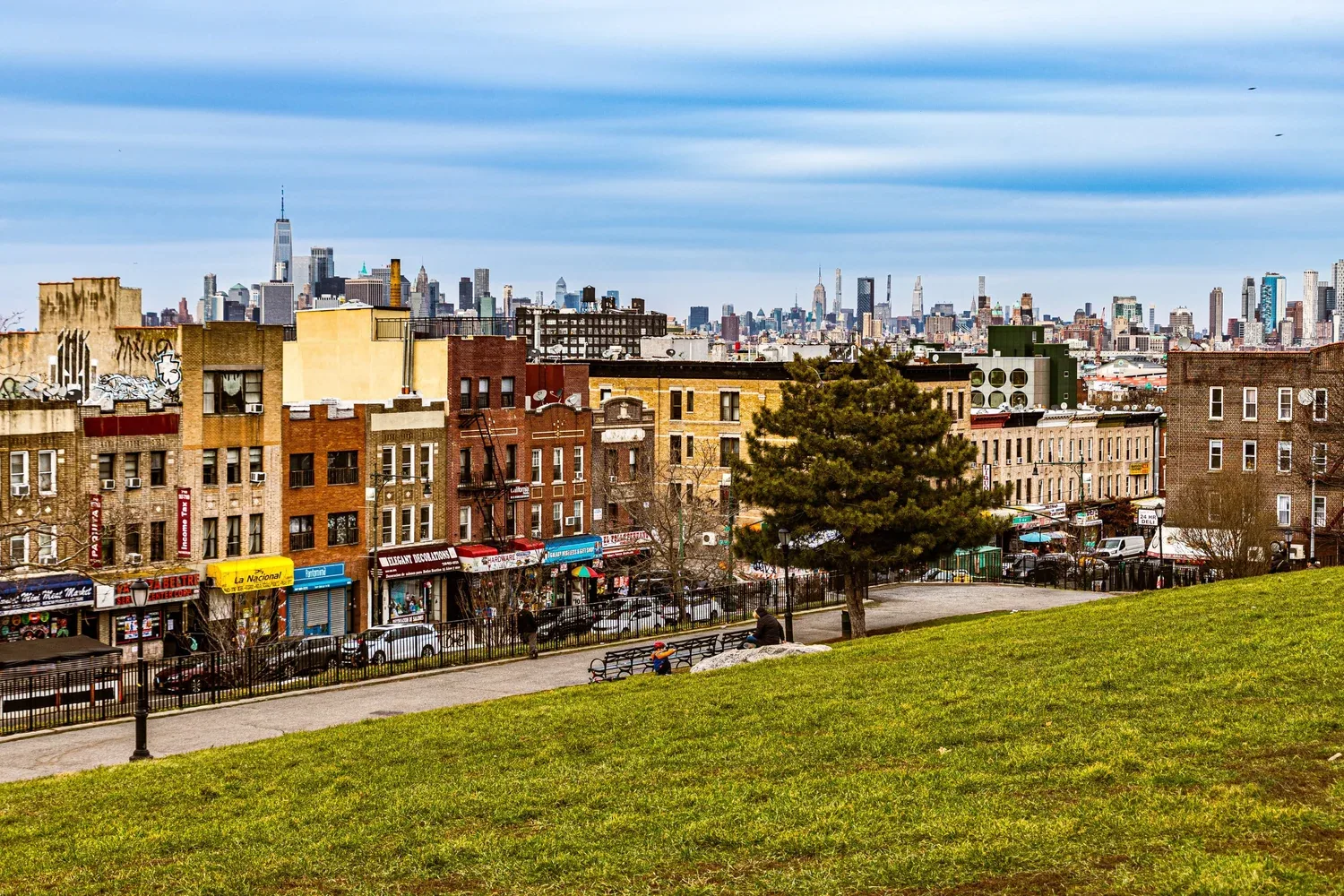
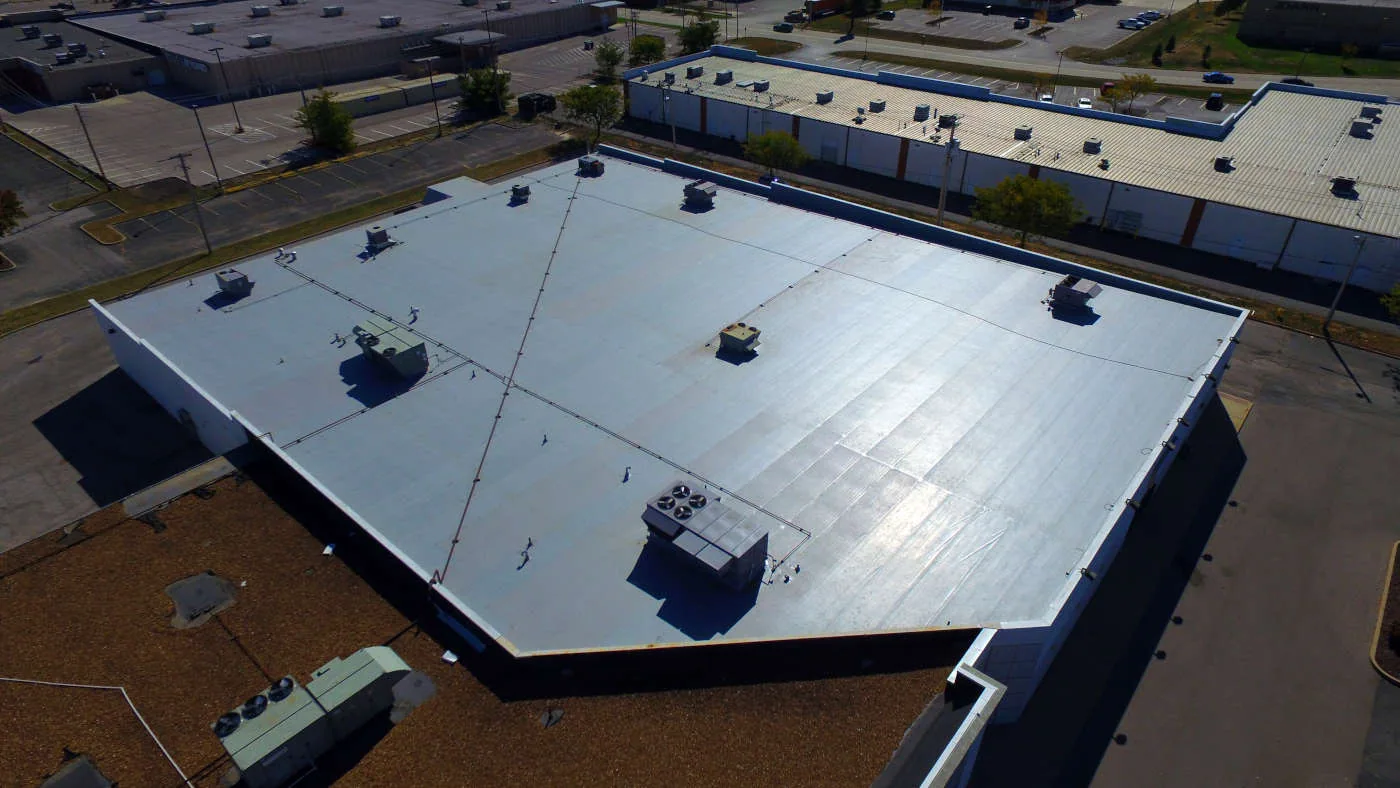
Mill and warehouse roofs in Sunset Park are natural candidates. Bush Terminal was built in stages from 1911 to 1926 and later converted to an industrial park, and the Brooklyn Army Terminal was renovated for manufacturing and first leased to industrial tenants in 1987. Industry City's owners announced a $1 billion renovation plan in 2015. Industrial buildings like these take the sun on the roof all day, and the floors below can hold workers, product or cooling equipment that suffers in the heat. The same reasoning applies to any warehouse roof with a wide span and little shade. We measure how the roof drains before we choose a surface, because a reflective coat over a pond is a short-lived fix.
Smaller roofs matter too. A loft-building roof in Sunset Park or a rowhouse block with a commercial ground floor shares the same sun. For a top-floor tenant in August, a reflective roof is the difference between a space that is workable and one that is not. We look at what sits under the roof before we pick the system.
The install in order
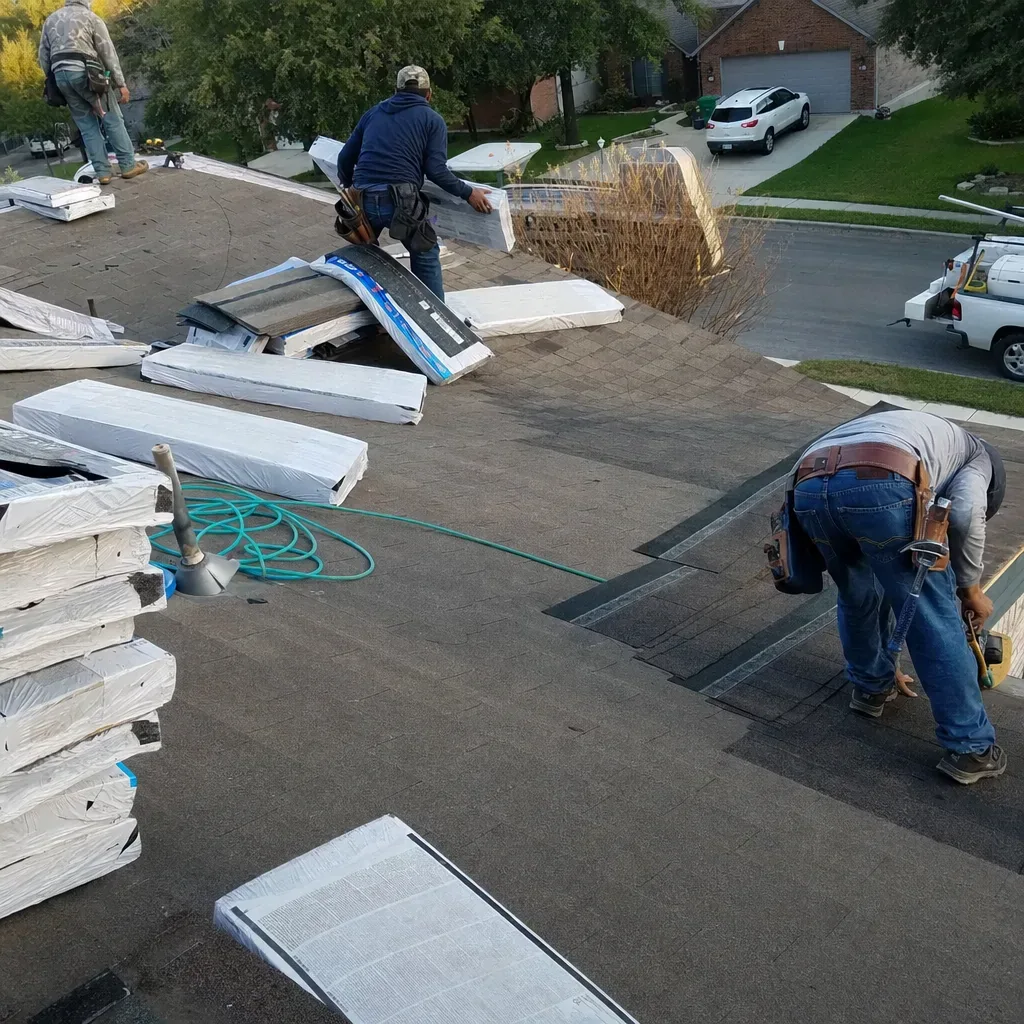
First we walk the field with a moisture scan and cut a few cores. A roof with wet insulation cannot take a coating, and the wet part comes out first. Then we clean. A power wash takes off dirt and chalk, and the roof has to dry. Seams are repaired, flashings are rebuilt where they have failed and penetrations are sealed.
The coating or membrane goes on in measured passes. For a coating we check wet-film thickness as we go and record the batch numbers. For a new sheet we probe every weld. The finish is checked for pinholes and thin spots. Weather matters. Coatings need a dry day with a dry forecast, and Brooklyn's summer brings frequent late-day thundershowers, so we start early and stop before the afternoon sky builds.
Code and insulation
Chapter 13 of the NYC Building Code covers Energy Efficiency, and Chapter 15 covers Roof Assemblies and Rooftop Structures. When a roof is replaced or recovered, the insulation and surface requirements are reviewed against them. A reflective surface and more roof insulation and cover board often get decided together, because both change the height of the roof at the edges and doors.
A coating over an existing roof is a different case from a new assembly, and we check which rules apply before we price it. If the owner plans solar panels later, the reflective surface goes down first and the racking plan accounts for it. Snow near 30 inches a year means a white roof still needs working drains.
Care and closeout walk
A white roof gets dirty. Soot, leaves and standing water darken it, and the reflectance drops. We measure it when the work is done and again at maintenance visits. When the number slides, the roof gets a gentle wash and the drain baskets get cleaned. Walk pads go along service routes so technicians do not scrape the surface.
At the closeout walk, we go over the field with the owner, check every seam and flashing and test a few corners with water. The punch list gets fixed before we sign off. The owner keeps the product data, the thickness readings and the cleaning schedule with the roof file.
Commercial Roofing Questions
Can a cool coating go over our old tar-and-gravel roof?
Sometimes. The gravel has to be removed or swept and the surface primed, and the plies underneath have to be dry and attached. We scan the roof for moisture and cut a few cores to look at the layers. If the layers are sound and dry, a coating can give the roof more years at a fraction of the cost of tear-off. If they are wet or loose, the bad part comes off first, and a new sheet may be the better choice.
Will a white roof make our heating bill go up in winter?
A little, in theory, because a reflective roof gives up some sun in cold months. In a city where summer cooling dominates, the trade usually favors reflective. A building with heavy heating and little cooling should have its energy consultant run the numbers. Extra insulation under the new surface helps both seasons, and we price it as its own line so you can weigh it.
How long before the roof is usable after coating?
Foot traffic is usually fine within a day, once the coating has skinned. Full cure takes longer, depending on the product, the temperature and the humidity. We keep equipment off until the manufacturer's cure time is met, and we put down walk pads on service paths first. A rain shower soon after application can wash a water-based coating, so we watch the forecast and cover the work if the sky turns.
What does a cool roof do for the membrane underneath?
It slows the heat cycling that stretches seams and dries out sealants. The membrane still ages, but it ages more slowly, and the daily swing at flashings and edges gets smaller. We cannot promise a number of years. We can show the surface temperature before and after, and we record the condition each visit so you can see how the roof is holding up.