Roofing for Public Agencies in Brooklyn, NY
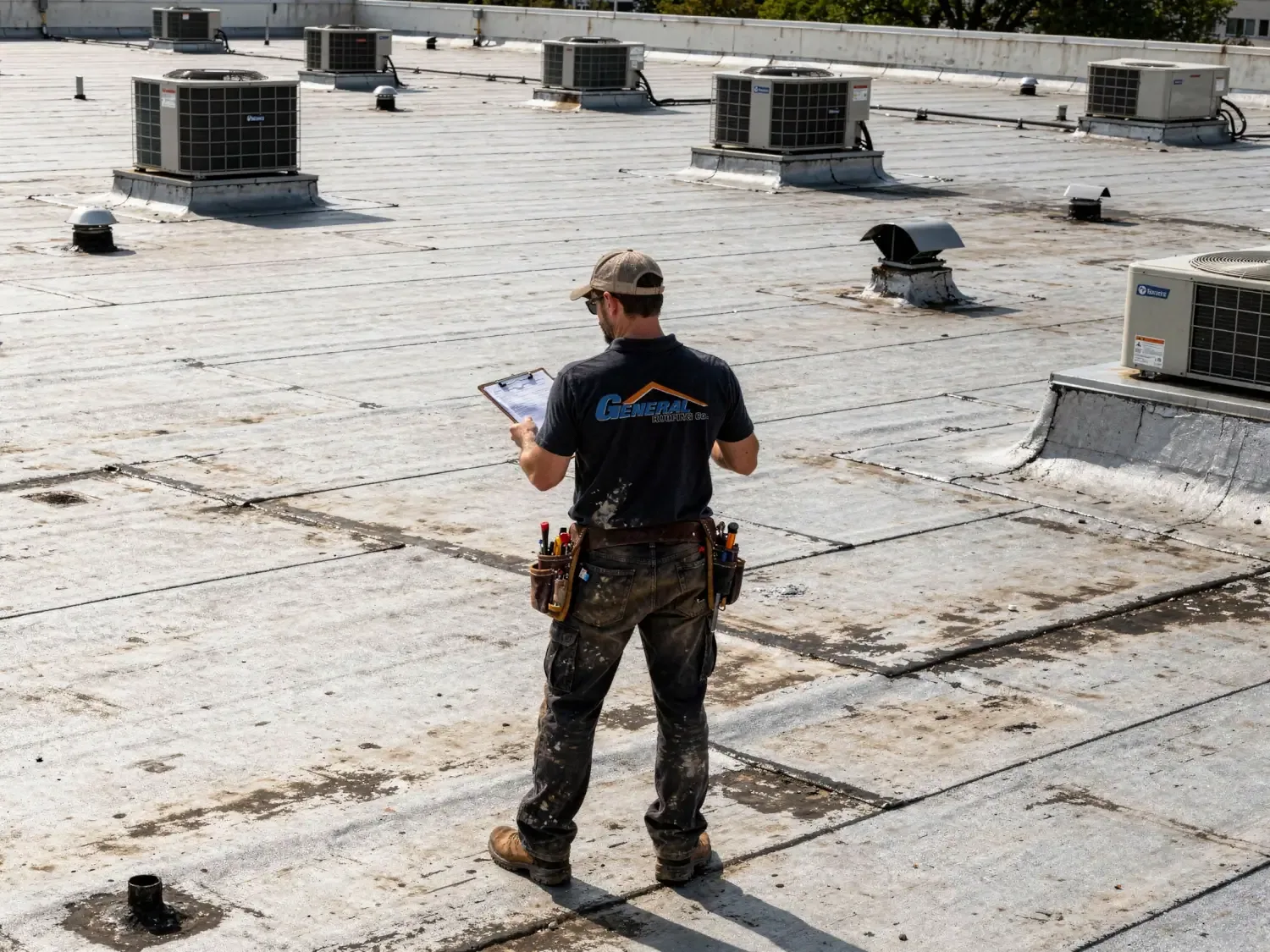
A public roof bid goes wrong when the scope is vague. One bidder prices a patch. Another prices a tear-off. The agency picks the low number and then pays for the difference in change orders. A good survey prevents that by naming quantities: square feet of wet insulation, feet of failed flashing, number of drains, depth of damage at the deck. Then every bidder prices the same roof. Brooklyn, NY has public buildings of every kind, from courthouses and office towers in Downtown Brooklyn to the Navy Yard and the Army's Fort Hamilton. Send the building list, the drawings you hold and the last roof report.
We survey, specify, repair and replace roofs on public buildings, and we keep the records that audits ask for.
Public roofs across the borough
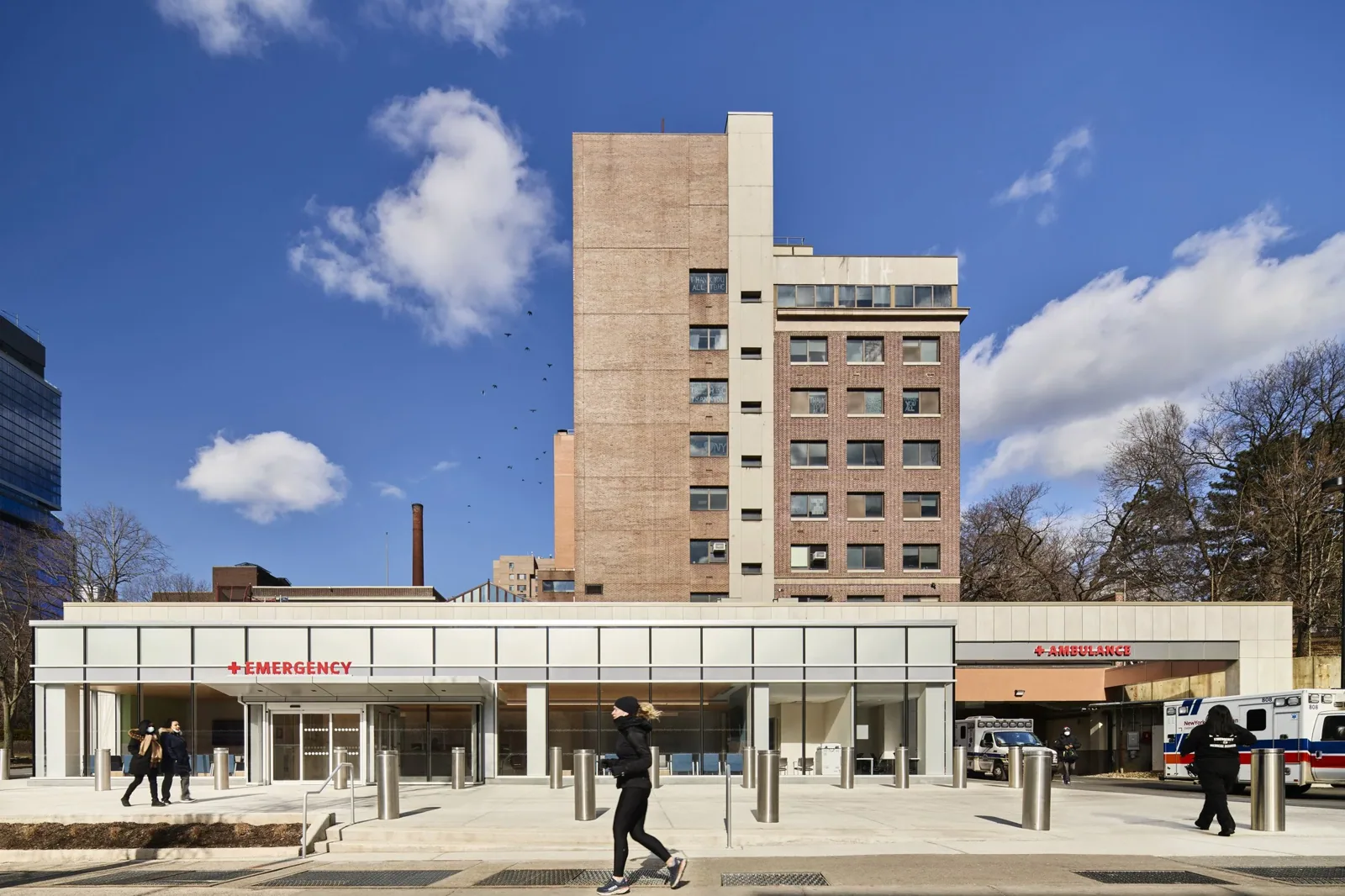
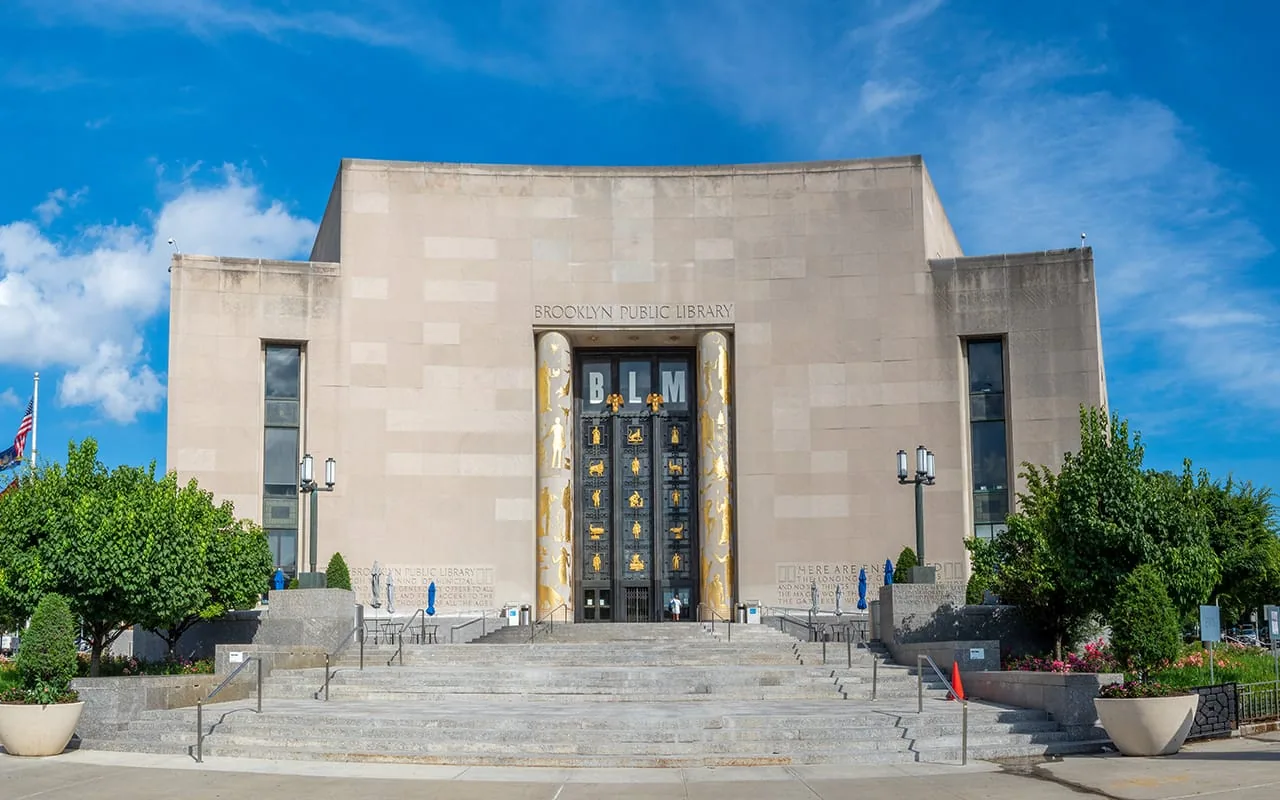
Downtown Brooklyn, the city's third-largest central business district, includes Borough Hall, the Kings County courthouse and state and federal courthouses. The Navy Yard is a 225-acre industrial and commercial complex that the city runs, with 83 tenants back in 1987. Fort Hamilton in Bay Ridge is the only active-duty DoD post in New York City.
Public ownership also covers schools, libraries, firehouses, clinics and housing. The roofs differ, but the questions repeat: what is it made of, how wet is it, how long will it last and what does it cost to keep it dry? A survey answers all four for each building and puts them on one scale. Provide the asset list with each building's use.
Housing and clinics need their own care. A public housing development may repeat the same roof across many buildings on one site, so one survey method and one repair standard can serve all of them, and cores from a typical roof inform the rest. A public clinic, often run with healthcare systems, brings infection-control rules and set quiet hours. We note the use on every roof, so the plan treats a boiler house and a pediatric floor differently.
A survey a bid can stand on
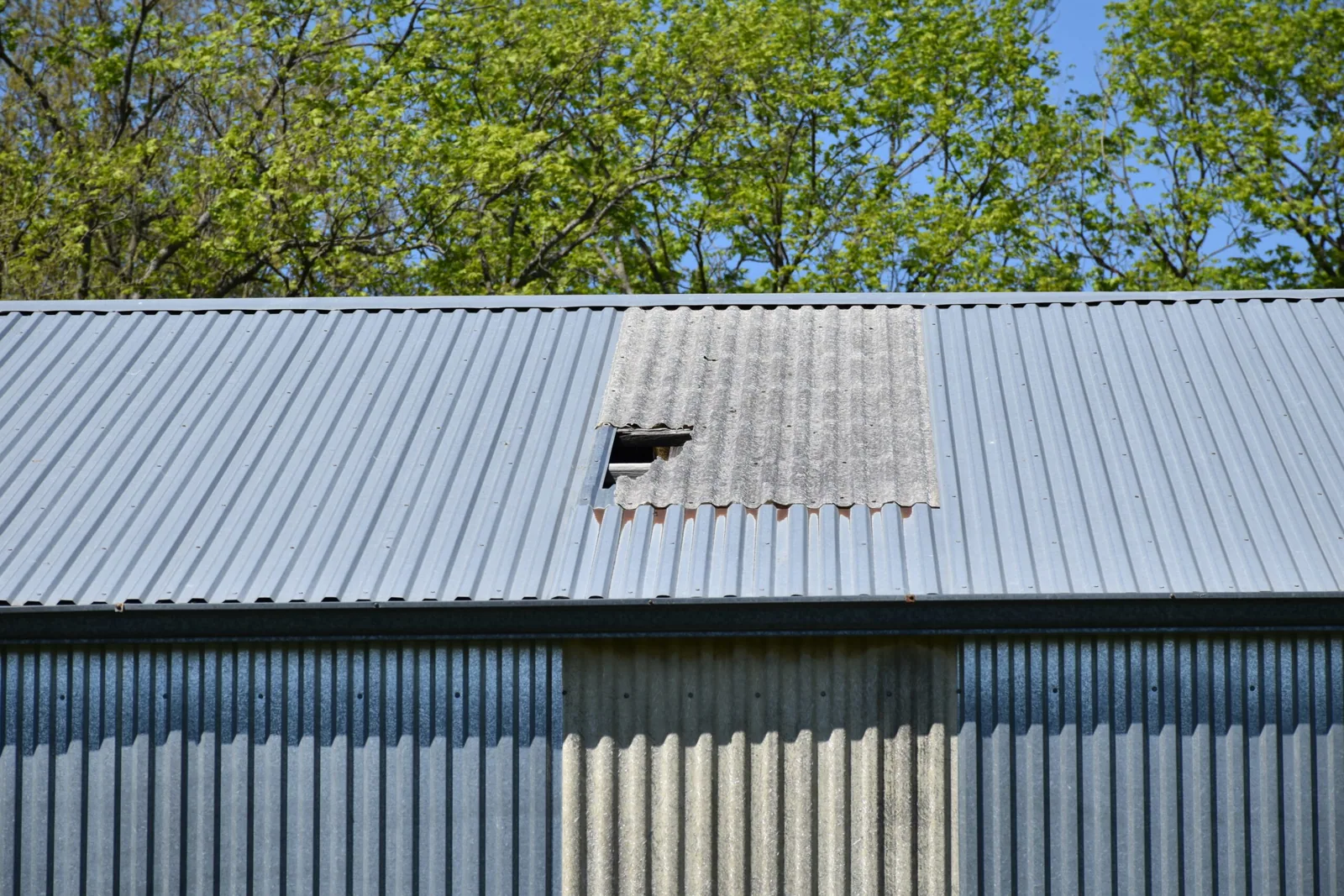
The survey includes a roof plan with defect areas marked, a core log, an infrared moisture map and quantities by category. The specification is built from it: system, thickness, attachment, flashing details and testing. Alternates price options like tapered insulation or a cover board.
Photos and measurements back every line. When a change order comes up, the original condition is already on record. A full replacement falls under the 2022 NYC Construction Codes, and the specification names the roof assembly and energy provisions that govern. Where a roof is dry and sound, a roof coating restoration can be specified from the same survey. Ask for alternates in the bid form.
Buildings that cannot close
Courthouses, clinics, housing and offices stay open. We stage work in sections, fence the material route, keep hoists away from public paths and coordinate with security. Hot work follows a permit. Noise and dust are managed by hours and by barriers.
Federal and state sites add access rules: background checks, escorts, tool counts and limits on photography. We send crew lists early and agree in advance which photos are allowed for the record. Where photos are restricted, we use measured sketches and written logs. The occupied building method is built for sites like these. Share the security contact with the first request.
Timing within the fiscal year matters. Capital funds arrive on a calendar, and a roof that fails between cycles becomes an operating expense. A rated roof lets an agency ask for money before the failure, with a measurement behind the request. The survey also separates what must happen this year from what can wait, which helps a budget office defend the number. Put the code and energy items in the estimate from the start, so the final cost does not surprise a committee.
Roofs that must work after a storm
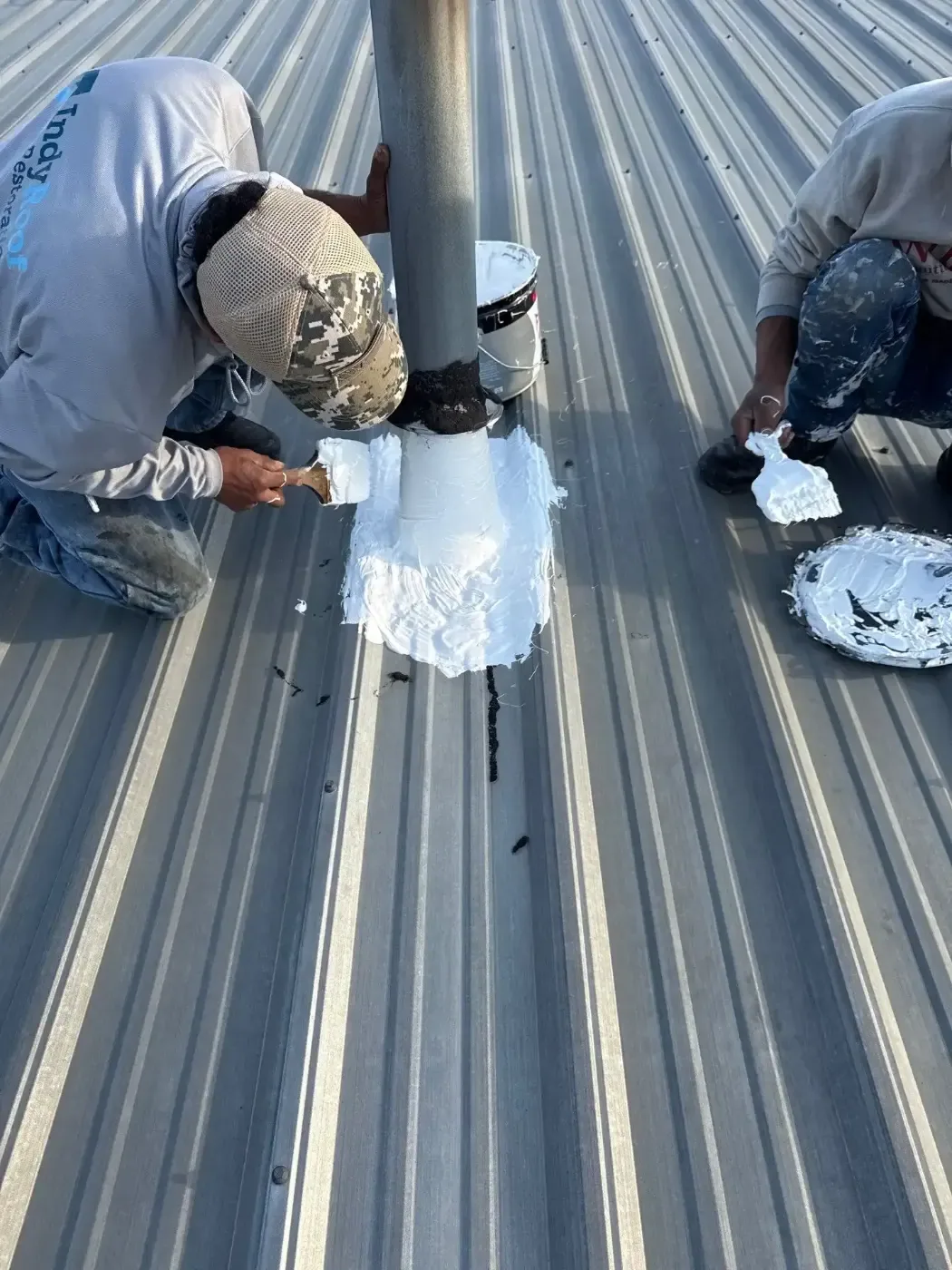
Sandy's October 2012 flooding peaked at 4.5 feet in Brooklyn; much of Red Hook went under water, Coney Island Hospital lost its first floor to the flood and the Brooklyn-Battery Tunnel shut. Ida's remnants brought a flash flood emergency on September 1, 2021, a first for the city. A public building that people turn to after a storm needs a roof and drains that perform. We check drain capacity, overflow paths and flashings before the season, and we keep a repair plan ready. After an event the crew surveys, documents the damage for the agency's insurer or relief program and makes temporary repairs. A hurricane damage plan on file shortens the sequence. Record the rainfall and the roof condition after each event.
Relief programs ask for evidence. When a storm brings emergency funding, an agency has to show what the roof was, what the event did and what the repair restored. The dated survey, the photos and the cost records make that showing. Without them, funding can be slow or short. The damage record is prepared in the form a relief program or insurer asks for, with storm damage split from long-standing wear so the file stays accurate.
Wind and the tall public roof
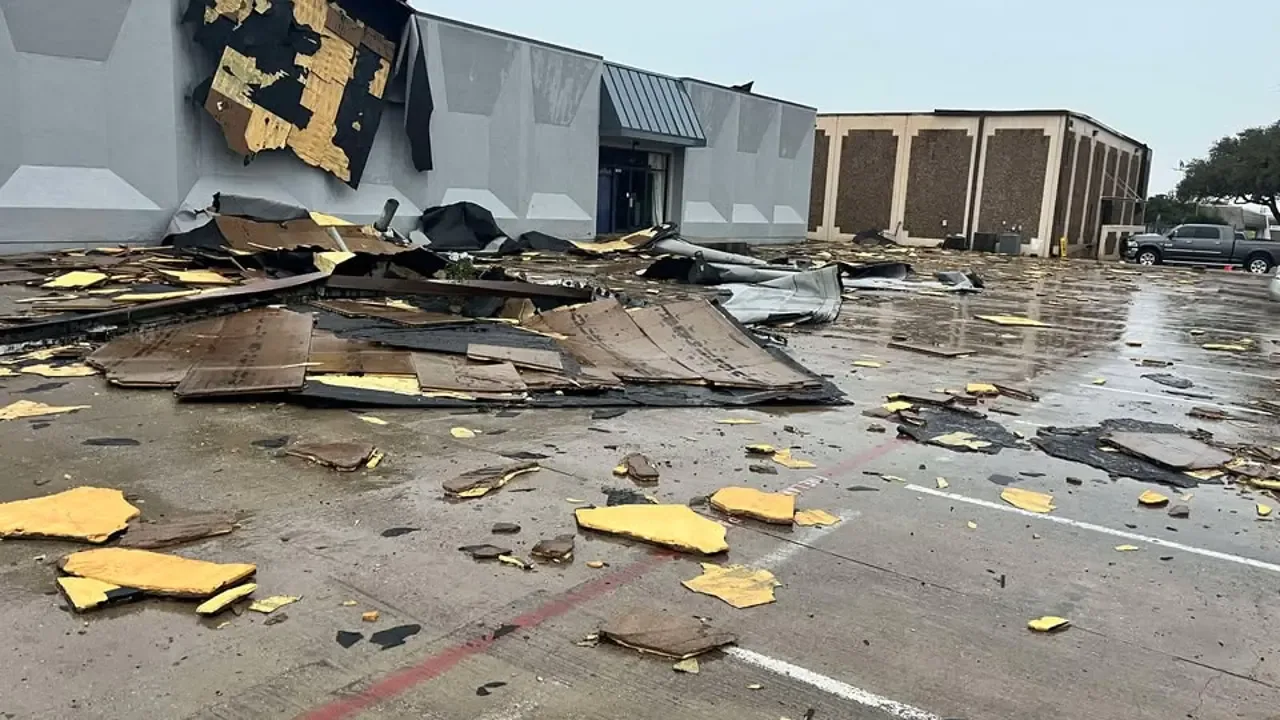
The 2007 EF2 tornado in Bay Ridge forced eleven houses to be vacated and peeled the roof off a nearby Nissan dealership. It was a rare event, but it reminds an agency that a flat roof's edge is its weak line. A roof in a district of larger buildings, like Downtown Brooklyn, may see wind funnel between towers.
Edge metal, coping, clips and the first row of fasteners are checked on every public roof. A displaced run on the windward side marks the gust direction. On a wind-damaged roof the sequence secures loose pieces first and reinforces the line. Keep photos of the roof edge from the ground in the building file.
Federal and military sites follow their own rules. Fort Hamilton, as an active installation, has base access, escorts, badging and mission schedules, and roofing there is built to the Unified Facilities Criteria for roofing. Such work generally runs like this: early crew lists, escorts to the roof, tool control and work hours set around operations. An agency that owns buildings on a controlled site should send its access procedure before the survey is scheduled.
Records for audit and for the next administration
An agency keeps records for audit, for the next administration and for a future bond or grant. The file includes the survey and quantities, the bid and contract, submittals, inspection reports during construction, closeout photos, the warranty and the maintenance log. A roof without that file is an unknown liability.
We deliver the set in an organized folder. A portfolio view from roof asset management ranks buildings by condition and funding need. Agencies working with school districts on shared sites can use the same scale. For buildings in Downtown Brooklyn, the file travels with the asset. Send whatever records you already hold, however incomplete.
Commercial Roofing Questions
What decides if a roof goes out to bid or onto a term contract?
The size of the work, the funding source and the agency's thresholds decide it. Small repairs can ride on a term contract. A replacement goes to bid with a specification drawn from the survey.
Can your survey serve as the basis for a design?
Yes. It gives the design professional the existing conditions: layers, moisture, drains and details. The designer adds structure and code review.
How do you handle prevailing wage and reporting?
We follow the labor and reporting terms in the contract and keep the records the agency asks for. Name the terms in the bid documents so they can be priced.
What about an emergency leak over a public service?
At night the line is still answered: the roof is dried in, the space below is protected and a report records the cause for the agency's file.
What warranty terms should the spec require?
The maker's system warranty plus a workmanship term, with coverage tied to the installed assembly. The specification should also set the inspection schedule and the owner's maintenance duties.