Commercial Roofing in Gowanus, Brooklyn, NY
Gowanus is a district in transition, and its roofs are the first place to see it. The area around the canal has been a light-to-mid manufacturing zone for generations, and a November 2021 rezoning allows about 8,500 new apartments. That means old flat roofs sit next to cranes, and owners are making decisions about buildings that may change use. Our crews repair, recover and replace commercial roofs here, and each first walk opens with the same question: what will this building be in ten years?
Reused industrial buildings
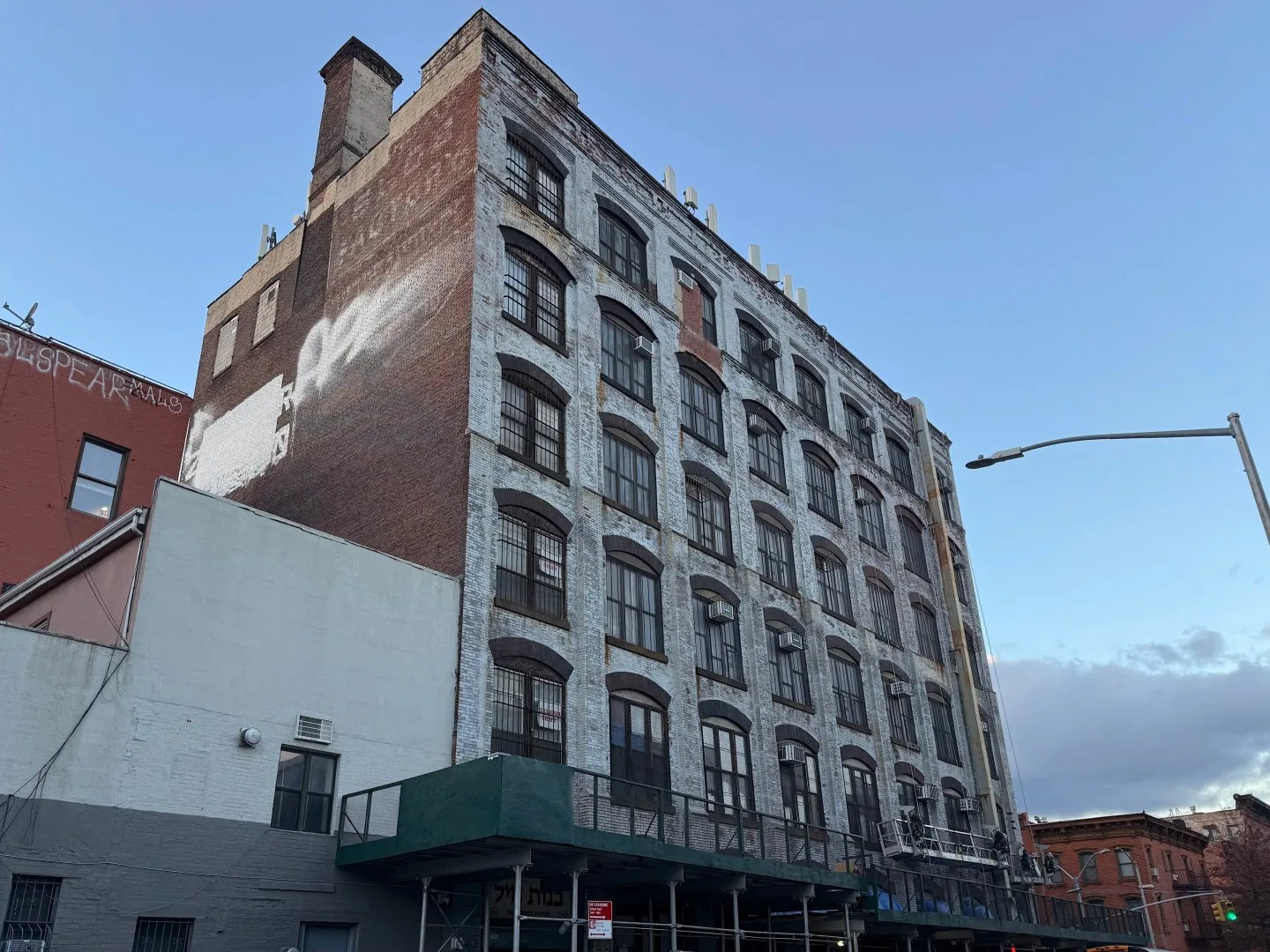
Former industrial structures, such as a century-old power station, are being reused. That adaptive reuse brings new owners to old roofs. The roof was designed for a different load, and its details were set by a different trade. A reused building usually needs new rooftop equipment, new penetrations and sometimes new structural support, and the roof has to tolerate all of it.
We start by learning what was built and what was added. Cores show the layers. A moisture scan shows the wet areas. The old parapets are checked for coping and flashing failures, because brick walls that stood for decades without maintenance often have open joints. A flex industrial roof in a reused building benefits from the same order of work.
Roofs near the canal
The Gowanus Canal became a Superfund site in 2010, with $506 million allocated for cleanup. Work near the canal follows its own rules, and an owner who plans a roof job next to cleanup activity should expect coordination on staging, deliveries and hoisting. We ask early about access restrictions, crane limits and neighbor requirements, and we build the schedule around them.
Rain is the other canal story. Heavy rain moves a lot of water through the district, and roof leaders discharge to storm lines that serve many buildings. Ida's remnants, which prompted the city's first flash flood emergency, showed what Gowanus rain can do. A roof with a single weak drain is exposed in a storm like that, so overflow scuppers go in and the leaders get tested. Drains and scuppers are often the first thing recommended.
What a first walk covers
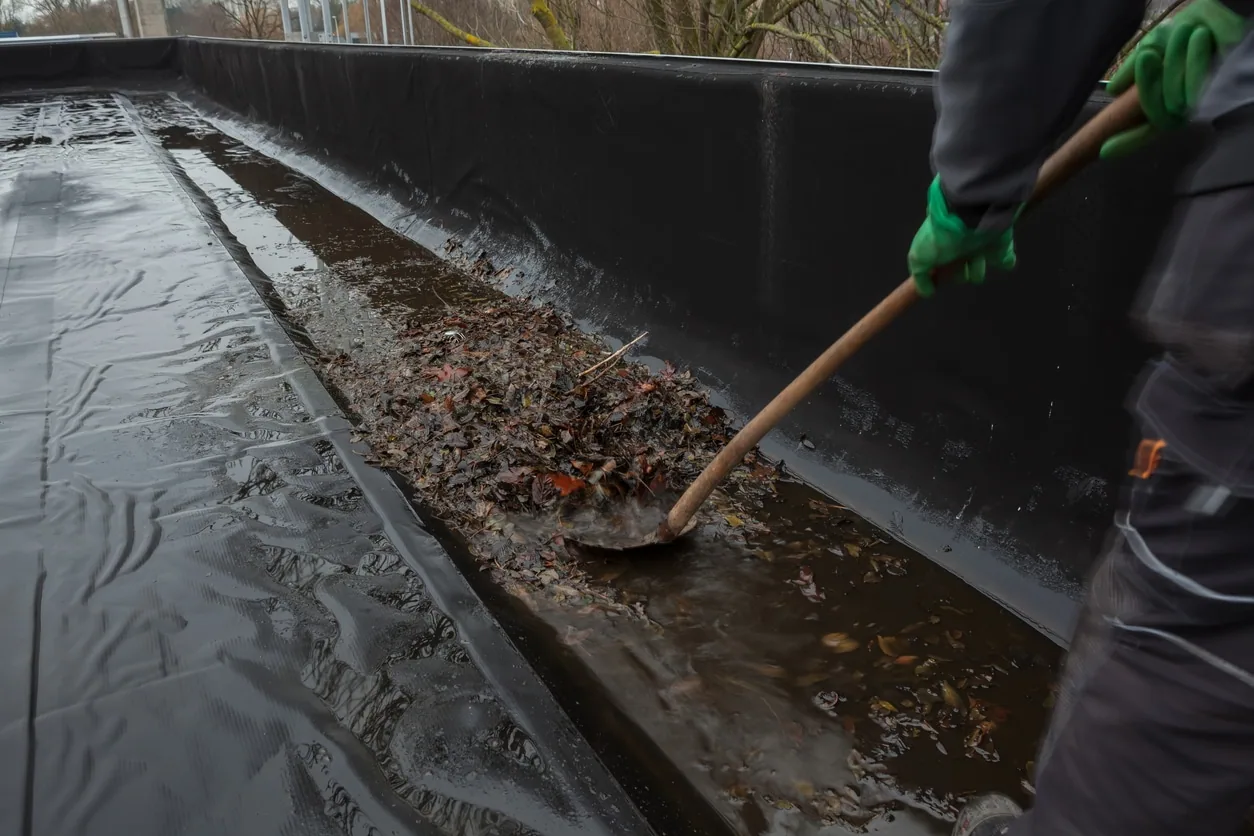
On a Gowanus roof we begin with the parapet and the drains, because those are where a long-neglected building usually shows its worst. We probe the coping joints, look for open mortar and test the base flashing for softness. Then we clear each drain basket and pour water in, watching how fast it leaves and where it spills.
The field comes next. We press the membrane at seams and around curbs, look for blisters and note any place where gravel has been scoured off. Every hatch, vent and abandoned pipe gets a photograph. By the end, we have a plan marked with wet areas, weak details and equipment, and a list of what is repair, what is recover and what is replacement. Owners of a building that may change hands get that plan in a form a buyer's engineer can read.
Under the expressway
The raised Gowanus Expressway crosses the canal at Hamilton Avenue and runs along the southern edge of the district. Buildings near it sit in the shadow of traffic, where soot, vibration and noise are likely. A dirty membrane runs hotter and ages faster, and a roof that is easy to wash holds up better.
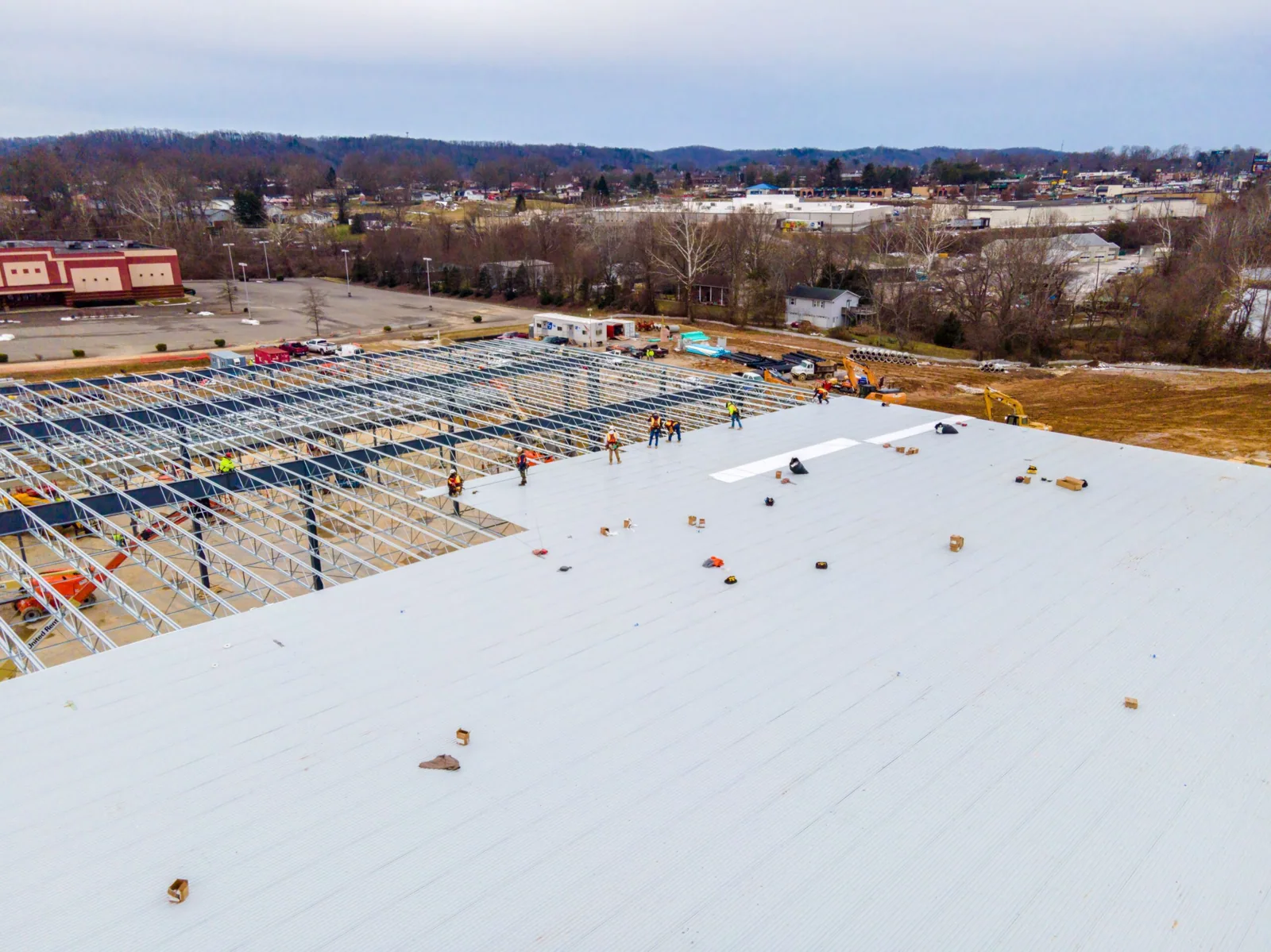
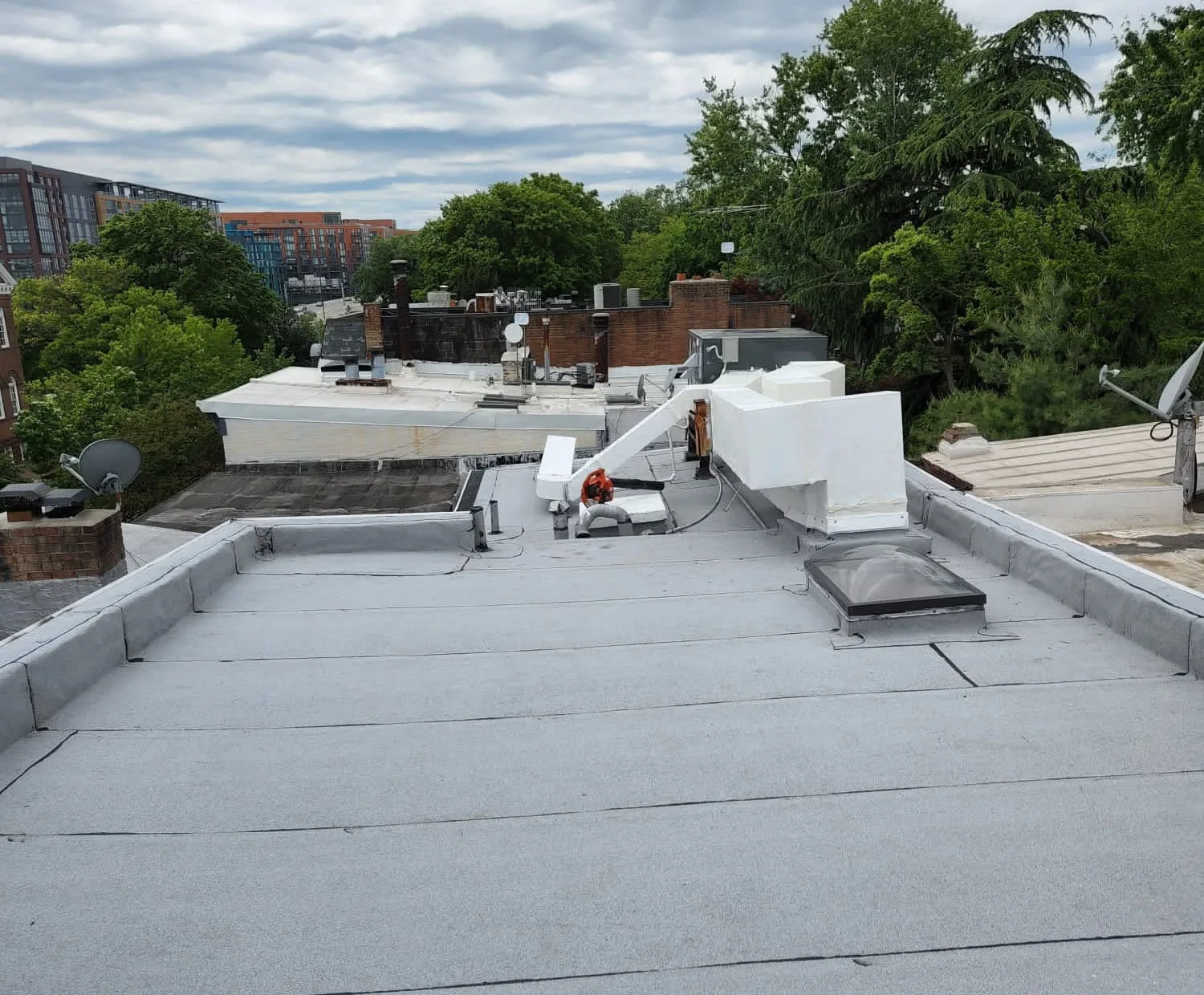
We favor reflective membranes that show dirt and clean easily, and we check flashing at rooftop units for vibration damage. A TPO roof in white is a common choice, and a PVC sheet suits roofs that see grease or chemical exhaust. A reflective roof also trims the cooling load below, which matters when a strong heat island pushes July highs toward 85 degrees.
New buildings next to old roofs
New construction beside an old roof creates its own problems. Excavation and foundation work can shake a neighboring building, and cranes swing over roofs that were not designed for a drop. Water from a new building's wall can run onto the old roof, and a new parapet can shade a roof drain that used to be open.
We document the condition of a neighboring roof before construction starts, with dated photographs of seams, flashings and drains. If damage appears later, the record shows what was there before. A claim documentation package built on that record is much easier to present, and the same photographs help a buyer's engineer or a lender see what the roof looked like before the neighboring job began.
Wind and the open edge
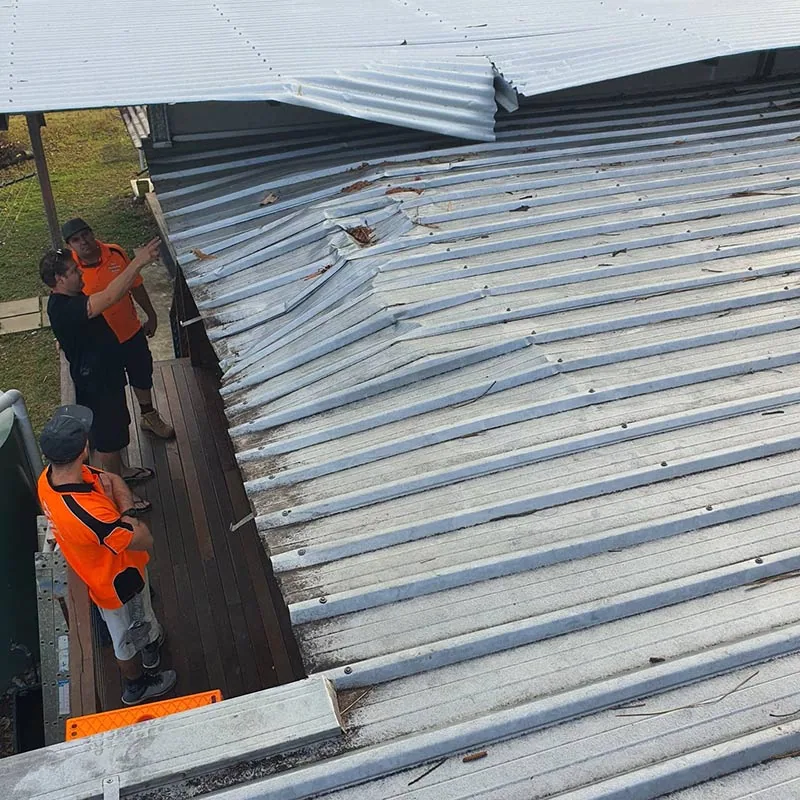
A flat roof beside an open lot or canal catches wind. The 2007 EF2 tornado that crossed Bay Ridge took the roof off a Nissan dealership, which shows what a weak edge can do in Brooklyn. We check edge metal, coping and the first rows of membrane, and we upgrade fastening where the perimeter is loose.
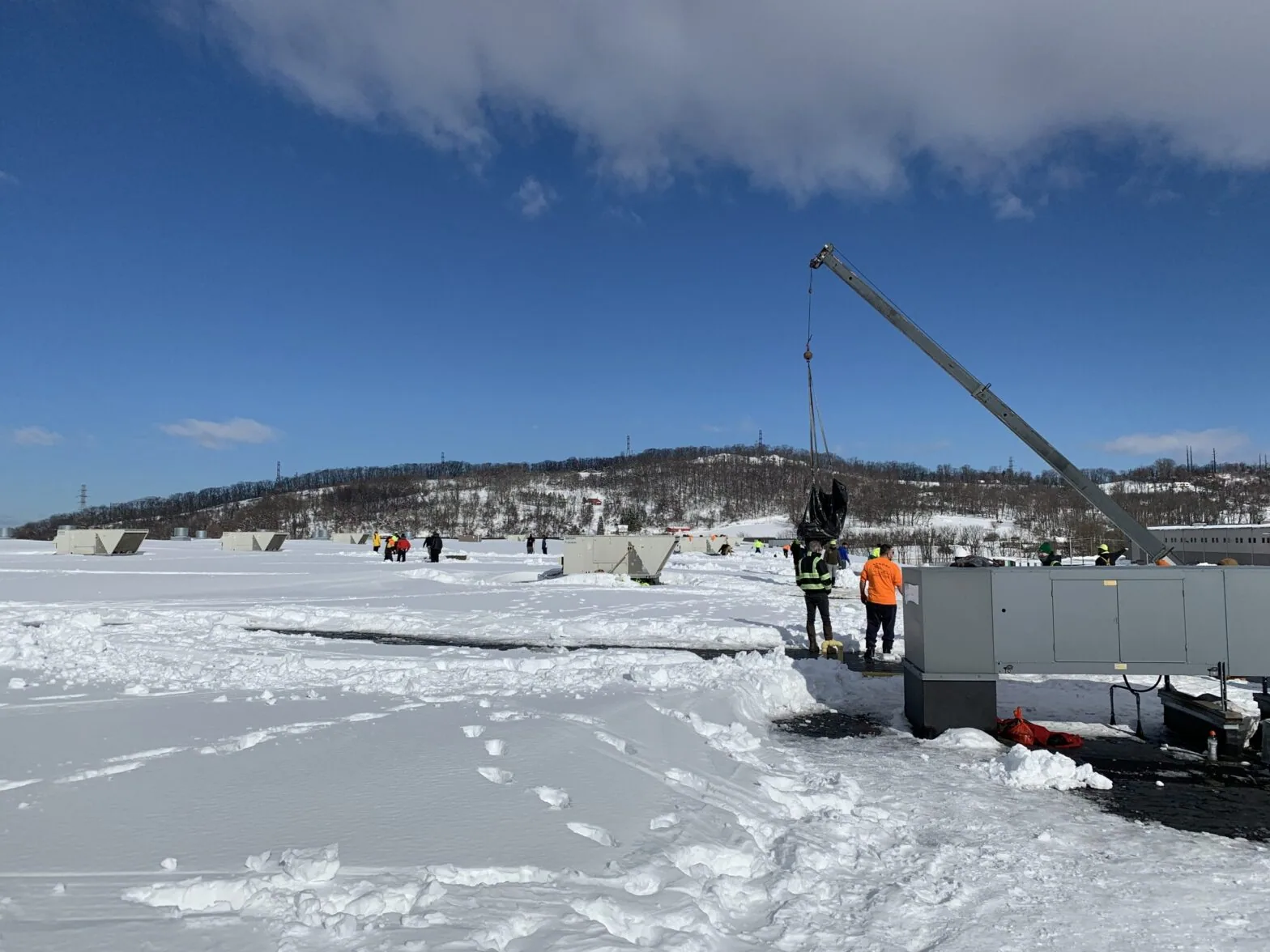
Snow adds another load. Snow near 30 inches a year builds drifts against parapets and equipment. Drains get cleared before the thaw and edges get checked for ice dams, with the methods used in snow and ice damage repair.
Planning for change
With a rezoning in place, the best roof plan is one that matches the building's timeline. A building that will be sold or redeveloped soon may need a repair that holds a few years. A building that will stay in use may justify a full replacement. A roof condition report gives the owner the data to choose. Owners with neighboring buildings, such as those in Park Slope near the canal or in Carroll Gardens, can fold them into the same plan.
Cost and timing follow the same few drivers on every Gowanus roof: how many layers must come off, how much insulation is wet, what equipment must be lifted and how the crane and trucks can reach the site. Cold weather limits adhesives and sealants, so replacement is a spring-to-early-fall job and repairs fill the winter. A scope drawn up in winter leaves time to order materials and book the lift.
Commercial Roofing Questions
Should I replace a roof on a building that may be sold or redeveloped?
It depends on the timeline and the buyer. If redevelopment is close, a repair that keeps the building dry for a few years is usually the better spend. If the building will stay in use, replacement pays back. We give a cost for each.
How does work next to cleanup activity affect a roof job?
Mostly through access. Staging areas, crane positions and delivery hours may be limited, so we ask early and build the schedule around them. The roof work itself is the same. We also ask whether any neighbor's crane swings over the roof.
What if a neighbor's construction damages my roof?
A before-and-after record is the best protection. We take dated photographs of seams, flashings and drains before the work starts and compare them afterward. That record supports a claim.
What should be checked first on a converted industrial building?
Start with what the roof now carries. New rooftop equipment, added penetrations and any structural reinforcement all change the load and the water paths. Cores show the layers, a moisture scan shows what is wet, and the findings decide whether the roof is repaired, recovered or replaced.
How do I schedule a first walk in Gowanus?
Send the address area and the roof age if known, a photo of the drain and one of the parapet, plus any access limits and how the building will be used.