Commercial Roofing in Cypress Hills, Brooklyn, NY
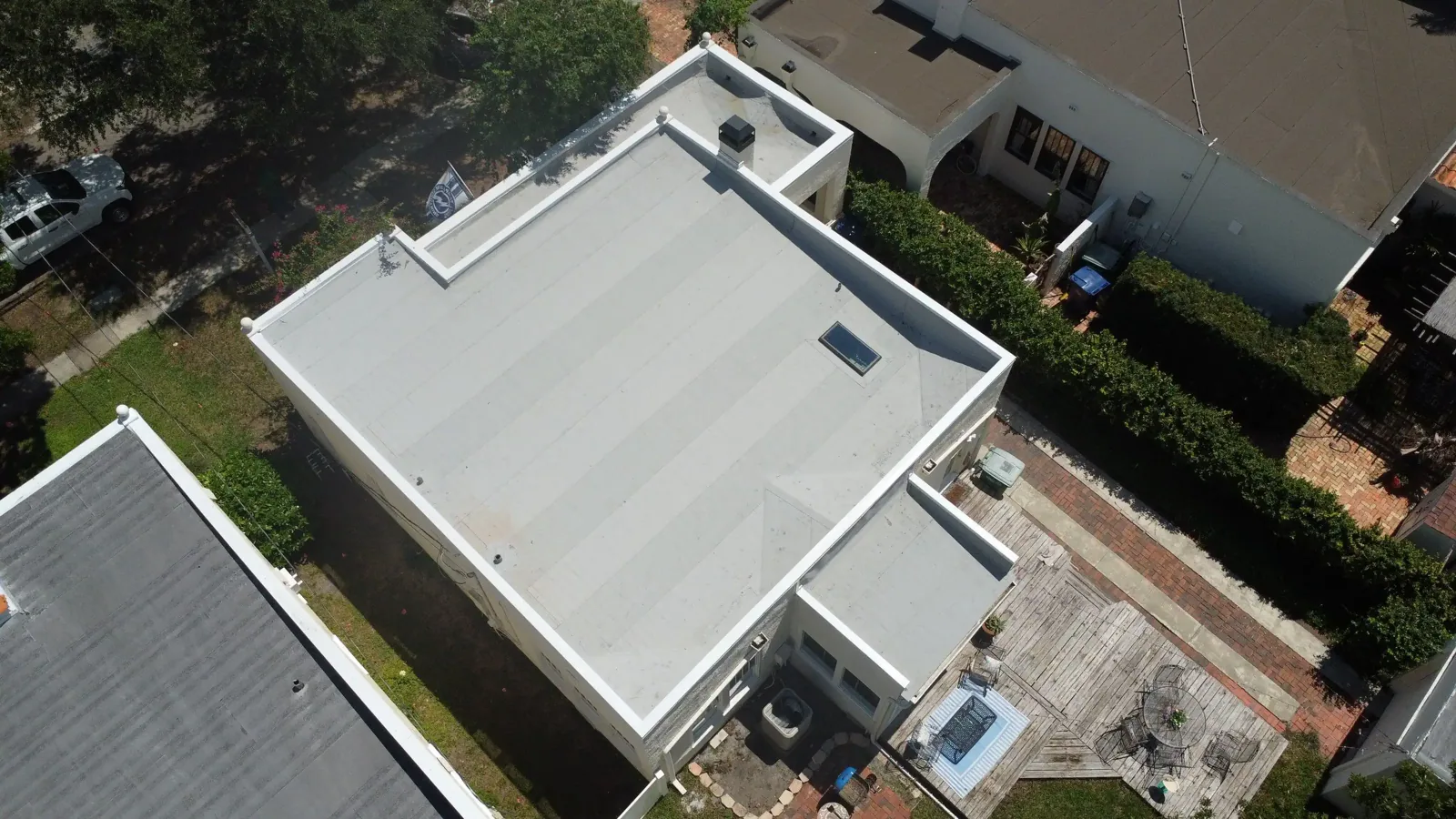
Walk to the rear edge of a shop building on Fulton Street and the roof often shows the history of the block in layers. A patch of smooth black modified sheet overlaps a field of old gravel, a strip of silver coating covers a seam, and a lone drain sits in a puddle that has left a rust ring on the metal. Roofs beside a raised train line collect more than weather, and the pattern of what they have collected tells us what the next failure will be.
Commercial roofing in Cypress Hills, Brooklyn, NY centers on a few working streets, a nearby industrial park and the mix of small commercial buildings between them. Many of the roofs here are flat and low, and many have been repaired more than once, some with more than one layer. Our job on a first walk is to learn which layers are still doing work, which are carrying water and which are about to let go.
Fulton Street and Jamaica Avenue
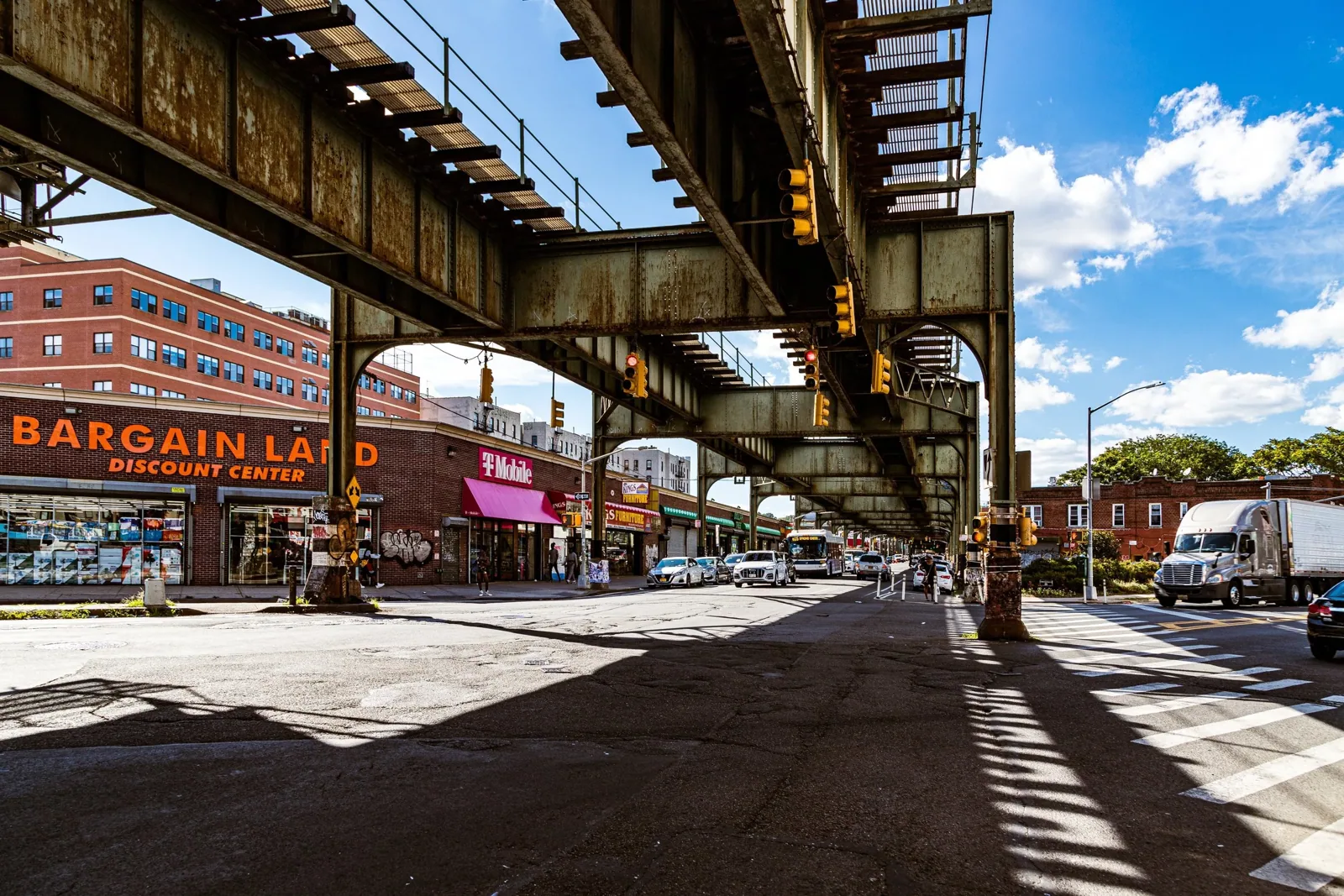
Fulton Street and Jamaica Avenue are historic corridors, with train lines carried on raised structures that opened in 1889 and 1885. Buildings along a raised line can live with vibration and a steady fall of grit, brake dust and pigeon droppings. Dirt on a membrane absorbs heat and holds moisture, and droppings are acidic enough to eat at some coatings and seam sealants. Flat roofs beside the structure collect it faster than any other roof in the neighborhood.
We look at how often the roof is cleaned, whether drains are guarded and whether the membrane surface is still intact under the dirt. A roof that can be washed can be recoated, and a coating restoration over a clean, dry membrane is often the least expensive way to extend life on a shop building. A roof with a layer of wet gravel and no drain guard is a different story, and it may need a tear-off.
The industrial park next door
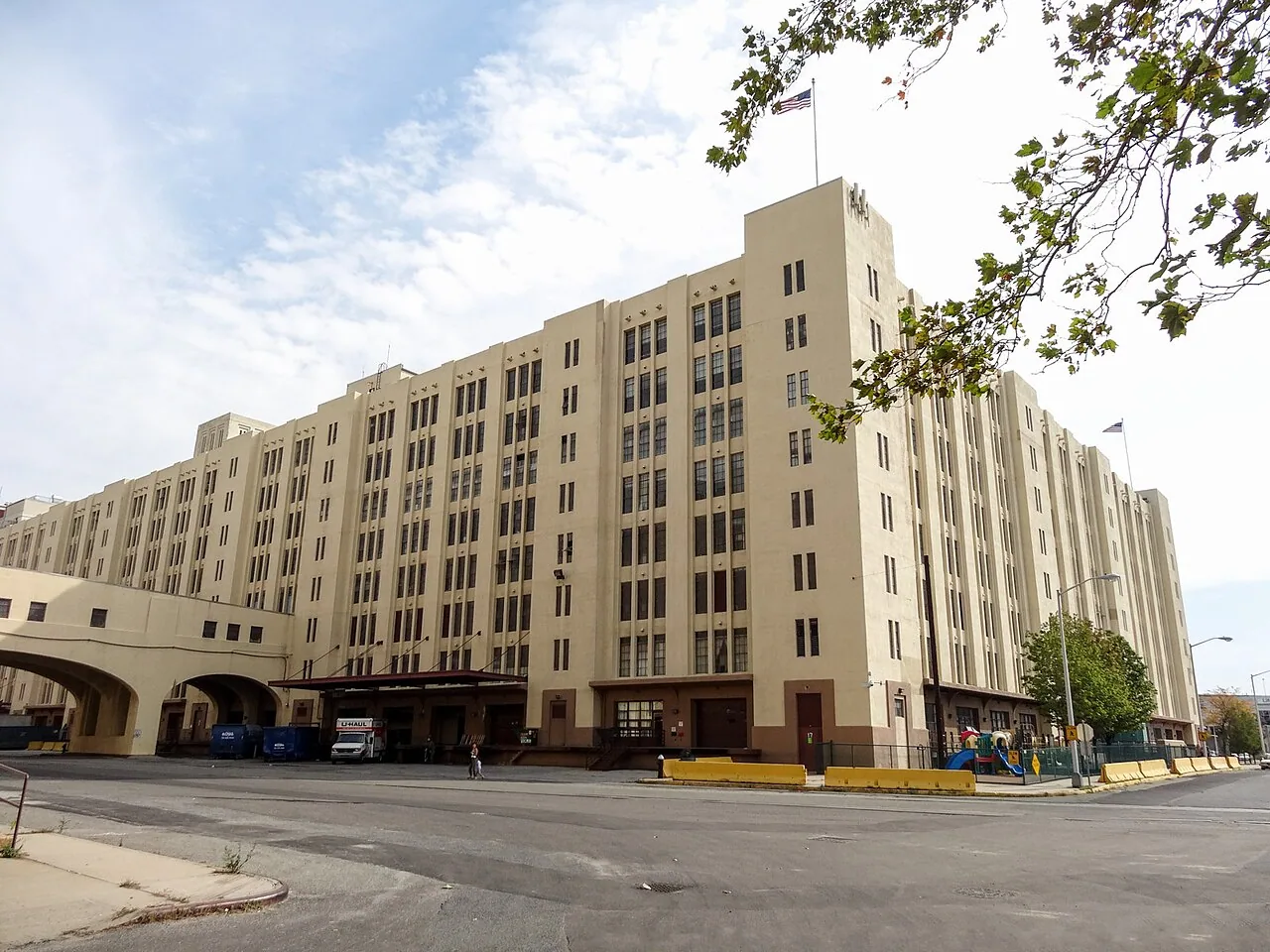
The East Brooklyn Industrial Park lies in the neighboring northwest quadrant. That park runs 44 blocks and dates to 1980, set between Atlantic Avenue and Sutter Avenue and framed by Sheffield Avenue and Powell Street, a place where a dry roof matters to anything stored or made under it. Owners of commercial space in Cypress Hills share the district with these buildings, and the roof questions overlap: wide low-slope sections, loading docks with canopy roofs and rooftop fans.
A warehouse roof may have long laps and a few drains at some distance from each other, so a clogged drain on one side can load a broad area with water. We check slope and drain spacing, and where the structure allows, we add tapered insulation to guide water to the outlet. That correction is more durable than patching a ponded area season after season.
The cemetery edge
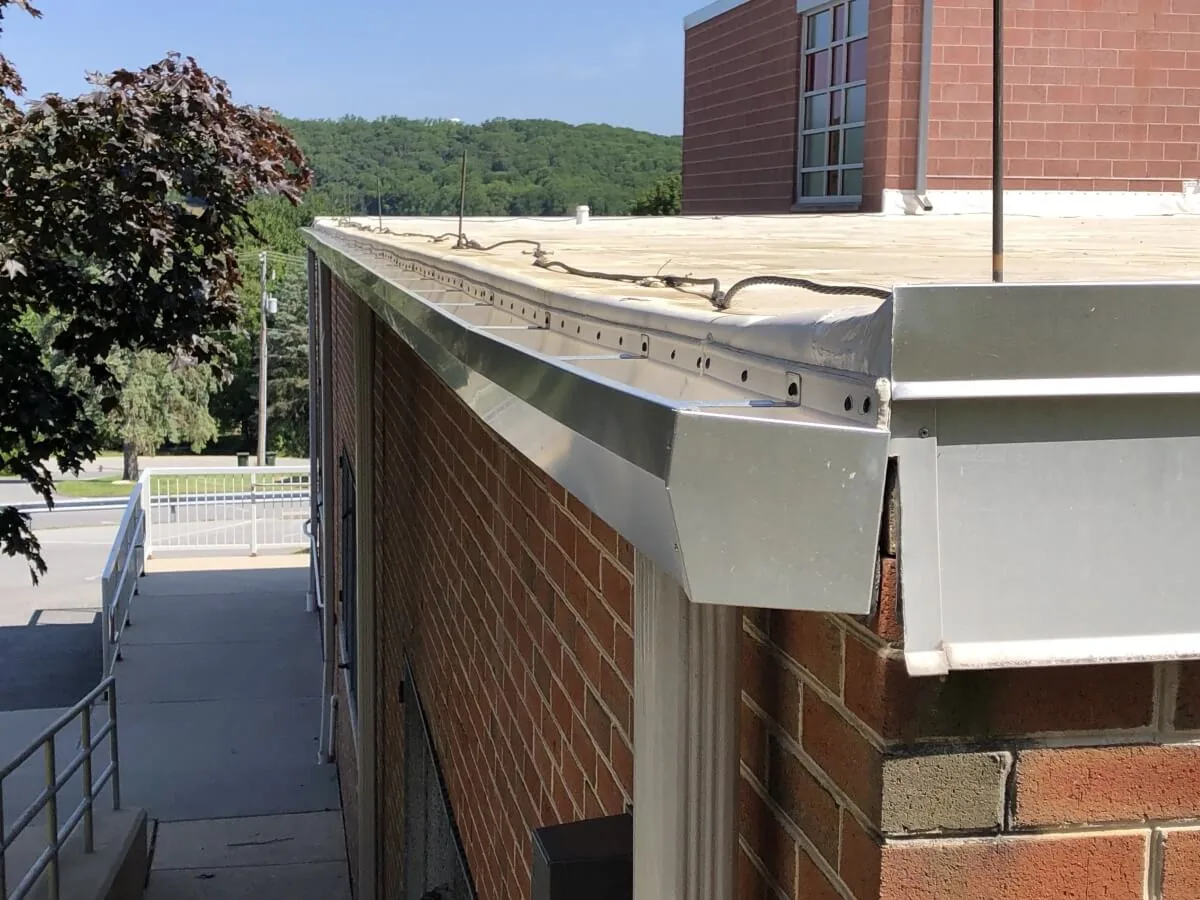
Cypress Hills Cemetery forms the northern boundary of the neighborhood. Open land and old trees along a boundary affect roofs near them. Wind arrives unbroken across open ground, tree litter fills gutters and drains, and branches scrape parapets and edges in a storm. On buildings facing the boundary we pay attention to edge metal and gutters, since the first row of membrane and the edge flange take the load when a gust hits.
Broadway Junction and the commercial buildings around it
Broadway Junction is a major subway hub, and the East New York station sits on the Atlantic Branch of the Long Island Rail Road. Hubs draw small businesses: shops, storage, offices and service companies. Buildings near transit often have tenants who need to be open early and late, and a roof job on such a building is planned around those hours. Hoisting happens before opening, torch work is avoided, and materials are staged away from the entrances. Neighbors in East New York and Brownsville face the same logistics and the same weather.
Where these roofs fail
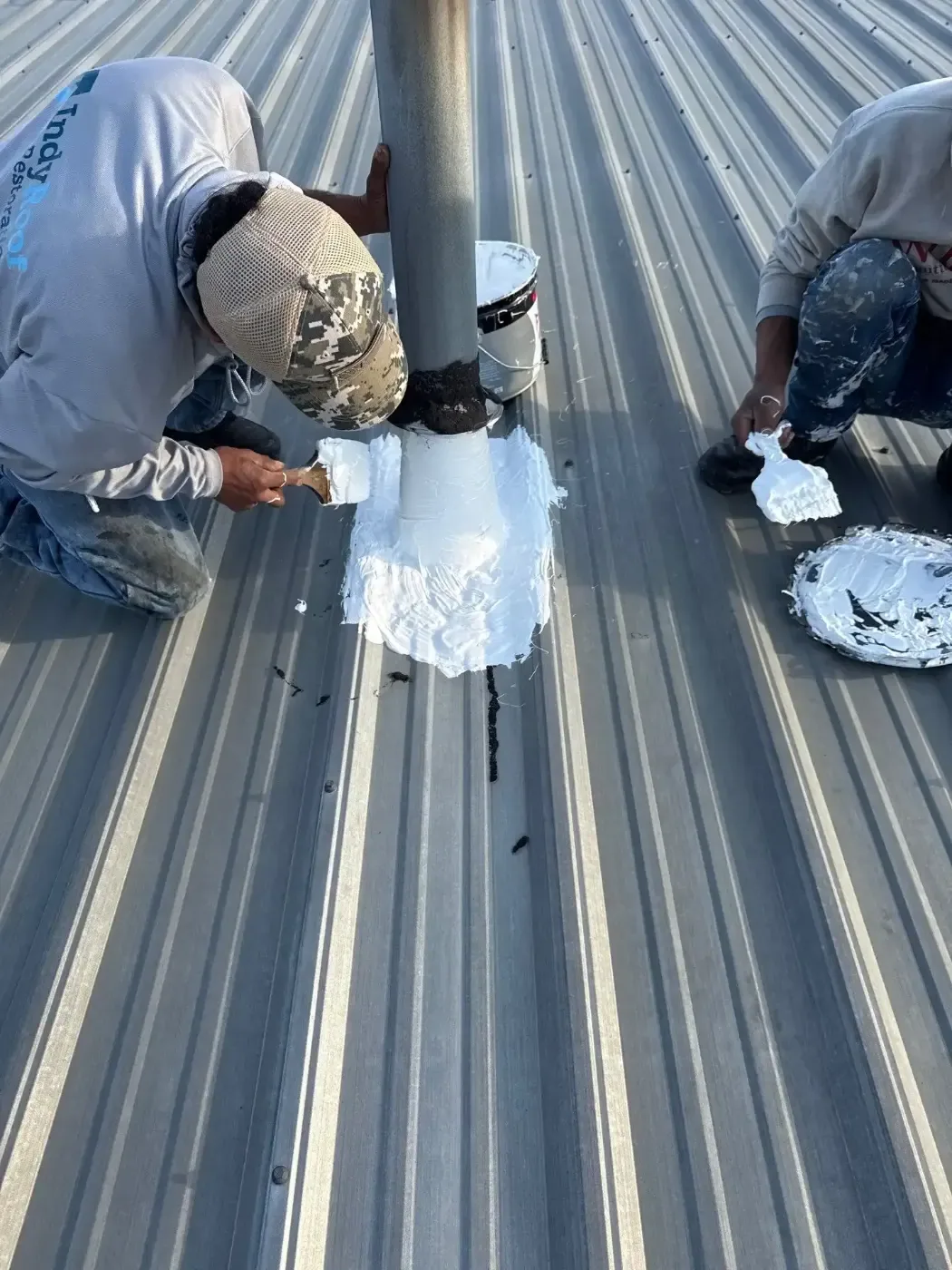
On older multi-layer roofs, we see three recurring problems. The first is flashing at the parapet, where tar has dried and pulled away from the wall. The second is the seam between old and new sections, where one patch was laid over another and left a ridge that holds water. The third is the drain, which has often been raised by roofing layers and now sits above the surrounding surface. A drain sitting high is a drain that cannot drain, and a flashing failure repair that ignores it will not hold.
New York City averages about 49.5 inches of precipitation a year, and freeze-thaw cycles in a snowy winter pry open every one of those weak points. Wet insulation under a patch can hold water for years before any stain appears, which is why we take an infrared moisture survey before deciding to recover rather than replace.
The fix in order
The order is clear drains, walk the field, probe the flashings, scan for wet insulation, then decide. A dry multi-layer roof can accept a recover if the deck is sound. A wet roof comes off down to the dry layer. Price follows the number of layers to remove, the length of parapet and access from the street, and timing follows the weather and the shop hours. We finish with a walk and photographs of each corrected detail.
One more point for owners who rent to several tenants: the lease usually splits the roof from the interior, and a roof leak that damages a tenant's stock becomes a dispute fast. We write the report so it shows the cause, the location and the date of each finding, which gives both sides the same photographs to read. Where a lease requires a roof inspection each year, we schedule the visit in spring and again after the first hard freeze, so patches are made while the weather still allows them to cure. A small repair done on time costs far less than a tear-off done in an emergency.
Commercial Roofing Questions
Does a raised train line shorten the life of a roof next to it?
The structure does not touch the roof, but grit, vibration and bird droppings land on it. Dirt raises surface temperature and holds moisture, and droppings attack some seam sealants. A roof near a raised line benefits from a washable surface, guarded drains and a visit twice a year to clear debris.
How can I tell whether my roof has more than one layer?
Look at the edge of the roof where the metal meets the membrane, and at the base of any penetration. A stack of different materials at those points tells the story. A core sample is the sure answer, and it also shows whether the lower layers are wet, which decides whether a recover is an option.
Why does my drain sit higher than the roof around it?
Each time a roof is re-covered, the surface rises, and the drain body often stays where it was. The result is a drain that sits above the water instead of below it. The cure is to reset the drain body or cut a sump and taper the surface toward the outlet.
Can a shop stay open while the roof over it is being replaced?
Yes in most cases. We plan hoisting and loud steps for the early hours, protect the entrances and keep fumes away from air intakes. The tenant and owner agree on the schedule before the crew shows up, and we keep the sidewalk clear.
How do I schedule a walk in Cypress Hills?
Photos of the worst drain, the parapet and any ceiling stain below, together with the address area and the roof age if known, show whether this is a repair check or a full survey.