Carlisle SynTec Roof Systems in Brooklyn, NY
Run a thumb along a seam near a roof drain and feel for the edge. If the splice has lifted or the tape underneath has gone soft, the water at the sump is already finding its way in. Carlisle SynTec makes single-ply membranes for commercial buildings, including EPDM rubber, TPO and PVC, along with insulation and the flashings, adhesives and fasteners that go with them. On Brooklyn, NY roofs the membrane is rarely the first part to go. The splices, the corners and the terminations fail first, and that is where we spend most of our time on a Carlisle roof.
What the sheet is and how it is held
Single-ply roofs come in three common attachment styles. A fully adhered sheet is bonded to the substrate with adhesive. A mechanically attached sheet is fastened at the seams through plates. A ballasted sheet is held by stone or pavers sitting on top. Each has a different weak point, and the repair has to respect it. An adhered sheet that has lost its bond bubbles and billows in the wind. A mechanically attached sheet that has loosened flutters along the seam lines.
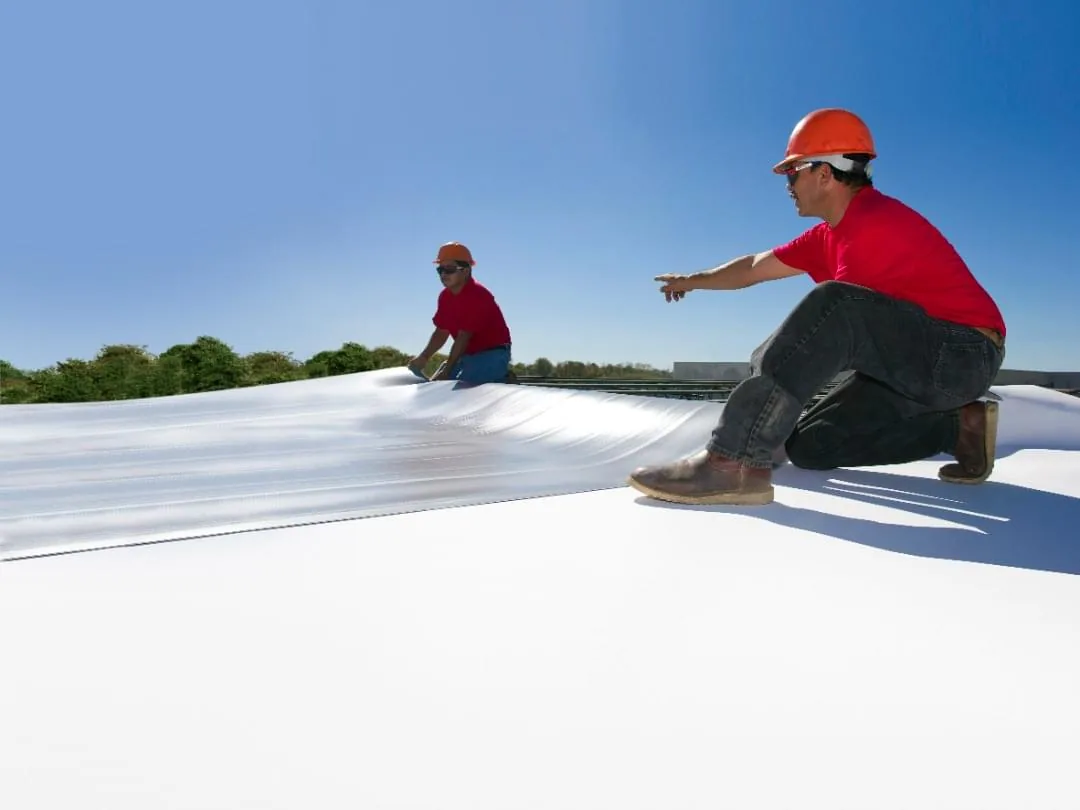
The membrane material matters as well. EPDM is a vulcanized rubber that is joined with tape or adhesive and tolerates movement well. TPO and PVC are thermoplastic sheets welded with hot air. We carry the tools and materials to match each, and we do not mix methods across a seam.
Seams, corners and terminations
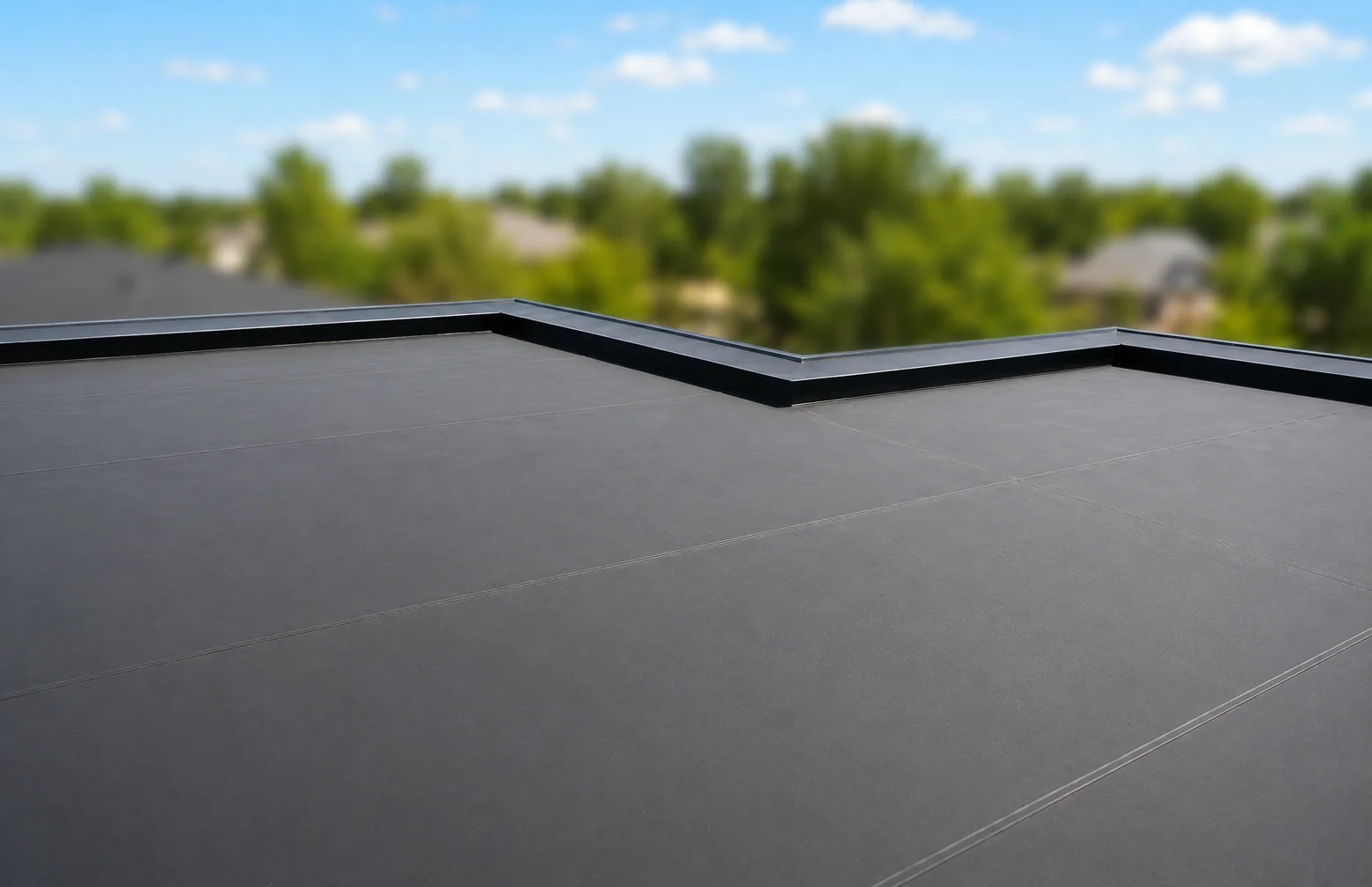
Most leaks on single-ply roofs trace to a detail and not to the field of the sheet. Inside and outside corners are formed from small pieces that have to be cut and fitted in place. T-joints, where three layers of membrane meet, need extra reinforcement. Terminations at parapets and curbs depend on a bar, a sealant bead and a clean substrate. A mistake in any one of them shows up as a stain two floors below.
On a repair we clean the surface, prepare it as the sheet requires, set the new material with the correct overlap and probe the edges. Where tape has aged or adhesive has crept, we cut back to sound sheet and rebuild the splice. We never smear mastic across a failed seam and call it done, because the next freeze-thaw cycle opens it again.
Weather on a Brooklyn single-ply roof
The borough's weather works on these roofs in every season. Snow averages about 30 inches a year, and the thaw puts water into every opening. Summer brings a strong heat island and late-day thundershowers, so dark membranes run hot and white membranes shed heat. The coast matters too: Sandy put large parts of Red Hook under water in 2012, and a roof near the water faces wind and weather that inland roofs do not.
For an owner choosing a replacement, that mix argues for secure edges, a well-sloped drainage plan and a membrane color that suits the building's cooling load. The EPDM and PVC options differ in how they handle heat, foot traffic and chemical exposure from rooftop exhaust.
Which buildings carry these roofs
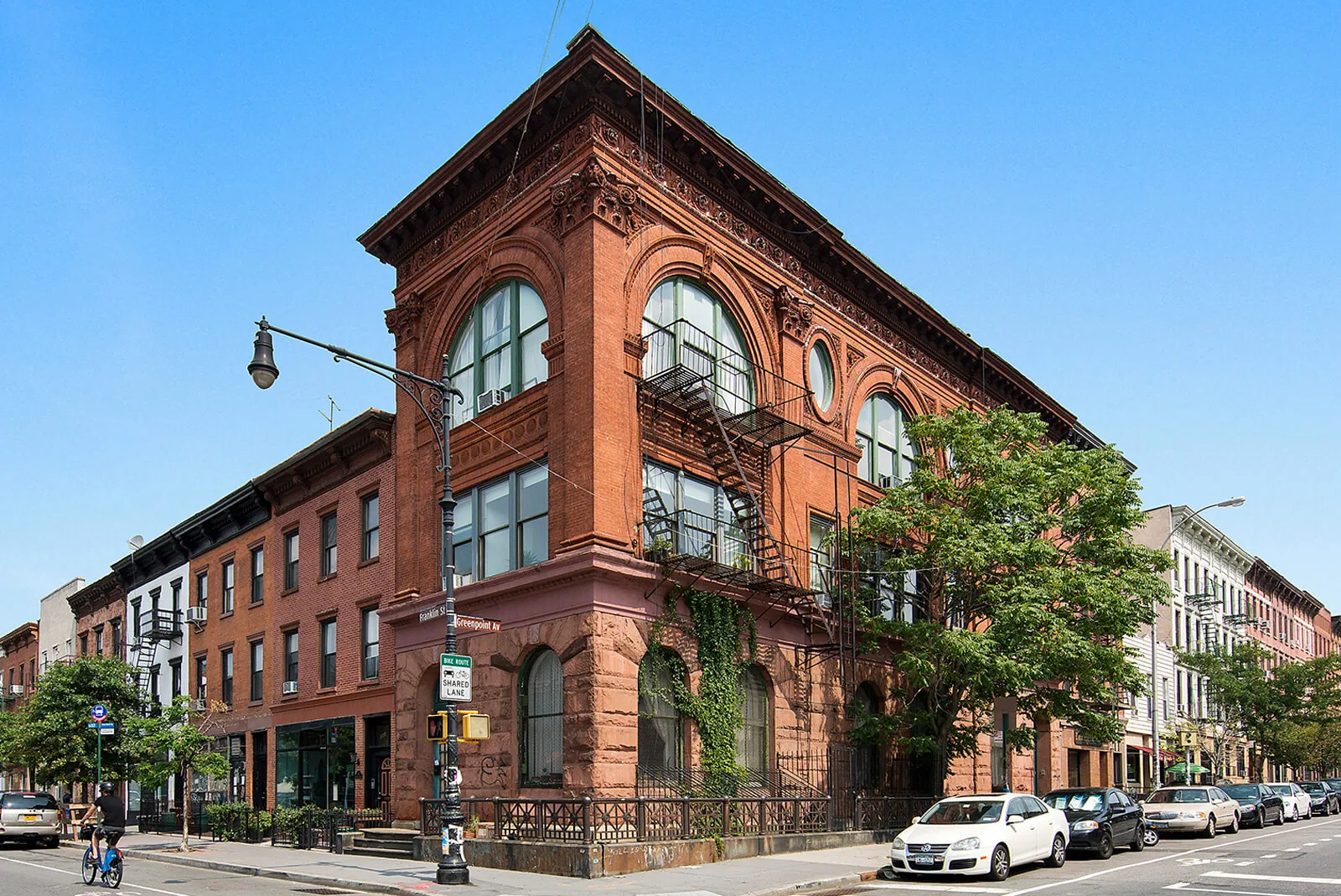
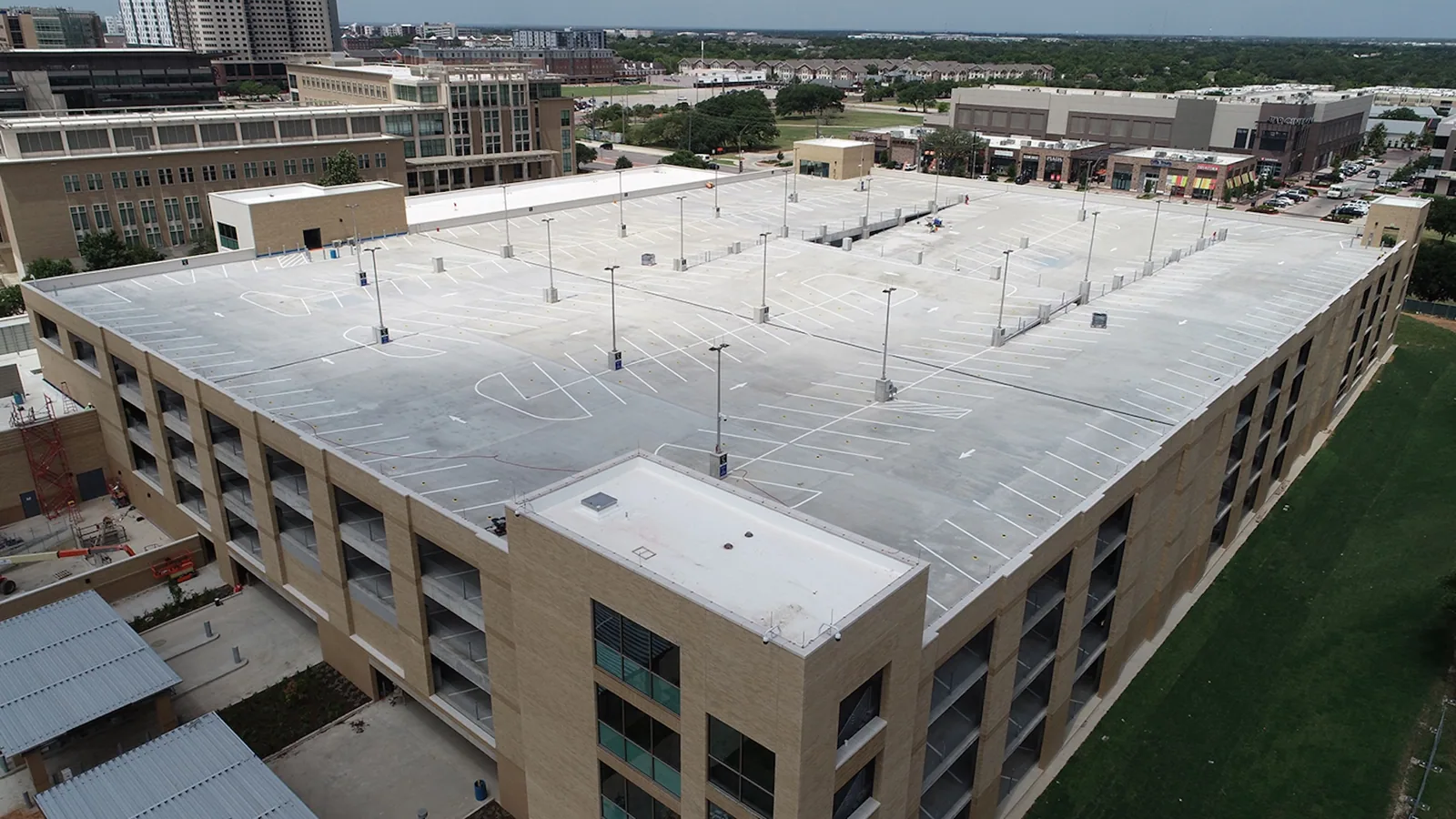
Single-ply is common on the newer flat roofs of retail, warehouse and flex buildings, and also on older buildings that were re-roofed in recent decades. Retail centers like Kings Plaza, the borough's largest indoor shopping center, often use single-ply on their flat sections, where rooftop units and tenant exhaust add many small flashings. In Greenpoint, industrial warehouses host film and television soundstages, and work above a production space has to be quiet and tightly sealed while crews are filming below.
Where a building holds specialized tenants, we adjust the schedule. Noise, fumes and foot traffic have to be managed so the people under the roof can keep working.
Drains and edges
The ponding that follows a summer cloudburst tells us how well the drainage works. We check the drain bowls, the clamping rings and the membrane flashing around them. A drain that has settled below the surrounding sheet collects a sump of water that sits for days, and standing water ages the membrane and invites algae. Where needed, we raise the drain, add tapered insulation to shed water or install an additional drain.
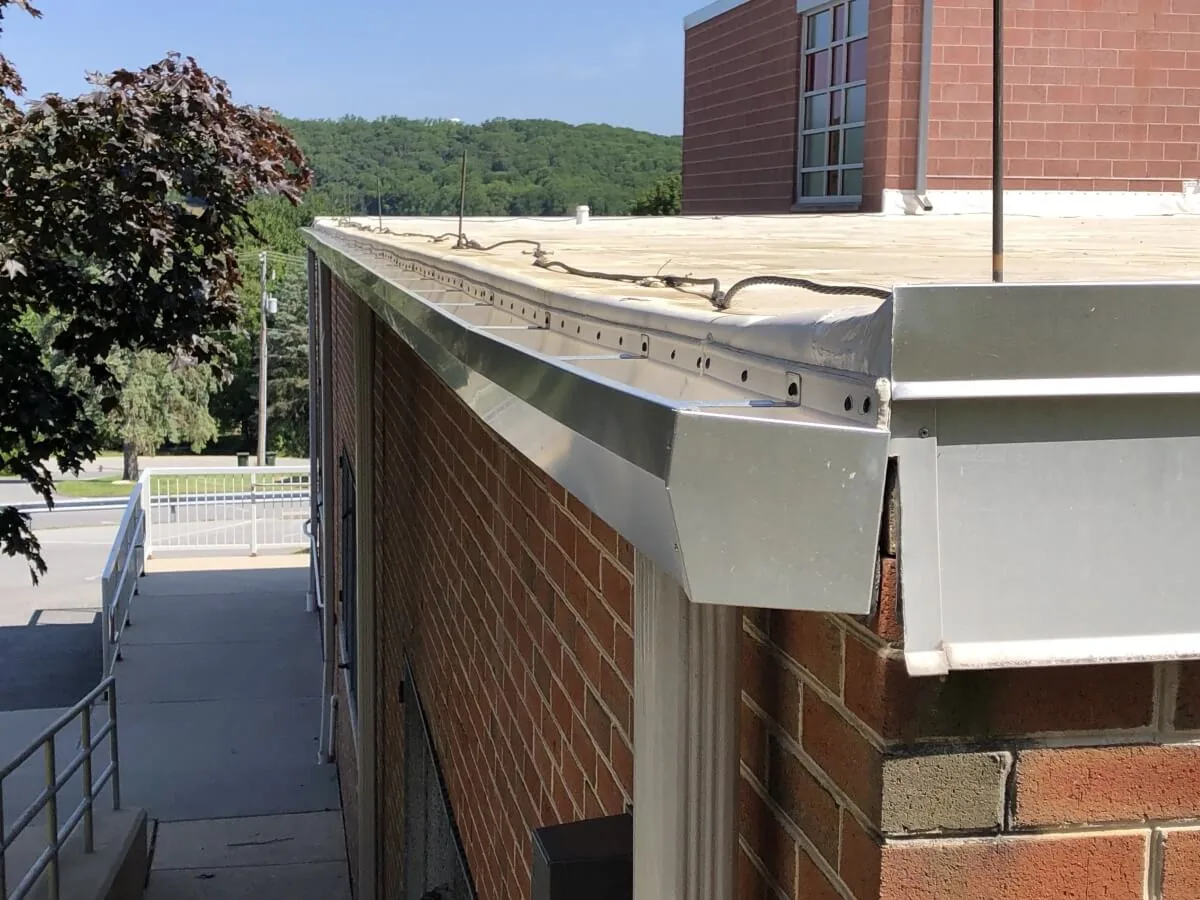
Edge metal on a single-ply roof carries the wind load at the perimeter. We inspect the edge metal and coping for fastening and laps, and we replace sections that have loosened. A secure edge is the cheapest wind protection the owner can buy.
Debris is the usual cause of trouble at drains. Leaves, grit and wind-blown packaging collect in the basket, and a clean-out after the fall leaf drop saves the owner a call the first heavy storm after.
Closeout walk
At the end of a repair or a replacement, we walk the roof with the manager. We probe the seams, check that the drains run clear, photograph each flashing and walk the punch list. If the roof is under a manufacturer warranty, we document the work in a form that supports a claim, and the warranty file is updated the same week. If the choice is between this maker and Versico or Sika Sarnafil, we lay the three side by side on membrane type, attachment and what each costs to install on that roof.
Commercial Roofing Questions
Can a failing seam be repaired, or is the problem bigger?
Seam length and substrate condition decide it. A short run of lifted tape or a pinhole in a weld can be cut out and rebuilt with a new splice. If the seam is open for long stretches, the sheet is shrinking away from its terminations or the insulation underneath is wet, and the repair becomes a section replacement. We probe the whole seam line before quoting, so the scope covers what is actually open.
Is a white membrane always better for a Brooklyn roof?
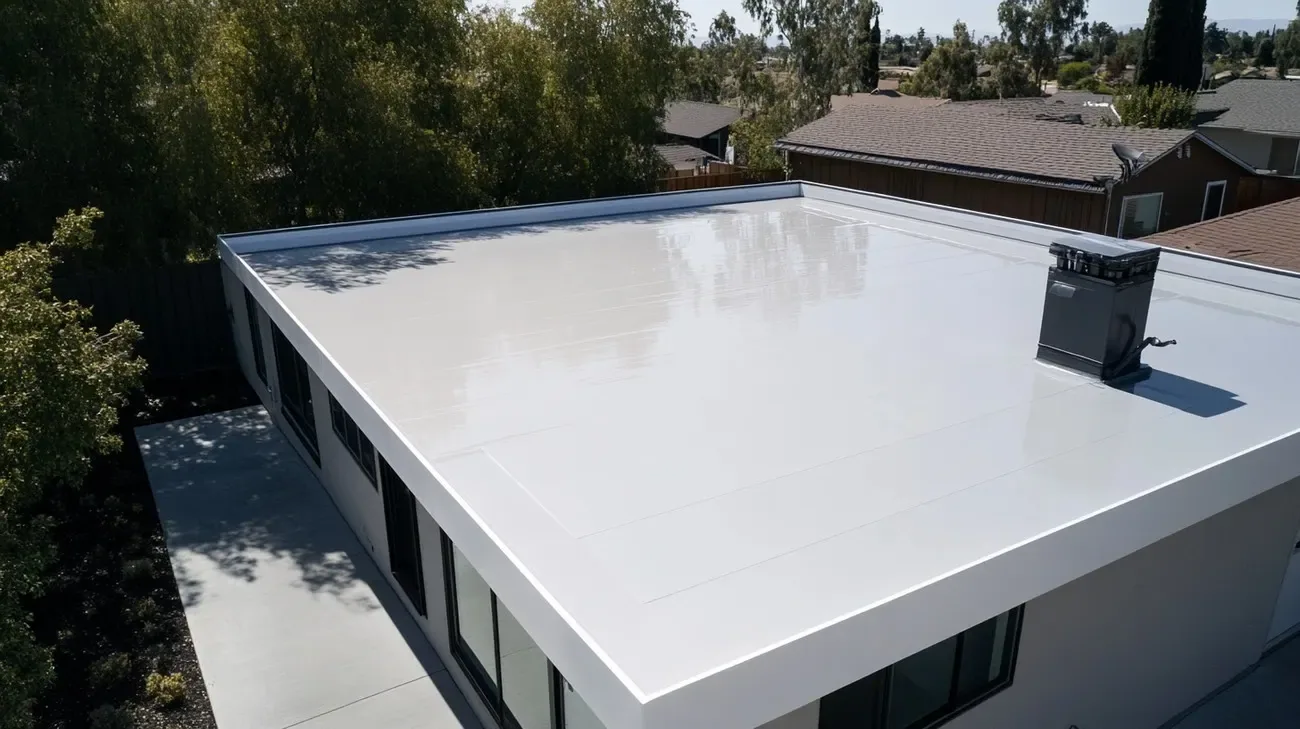
Not always. White sheets shed heat in summer and lower the cooling load, which suits buildings with large air handlers on the roof. They show dirt faster and offer less snow-melt assistance in winter. Black EPDM absorbs heat and can help shed snow, but raises rooftop temperatures. The building's energy needs and the maintenance schedule drive the choice. We lay out the tradeoffs for each roof.
What if our roof is ballasted with stone?
Ballasted roofs need a different approach. We lift the stone in sections, inspect the sheet beneath, repair seams and flashings and re-lay the ballast with attention to the perimeter, where wind can move loose stone. Drains must be kept clear of gravel. If the roof is old, converting to an adhered or mechanically attached system may make sense, since the weight of the stone limits the options.
Can one damaged section be replaced without a full reroof?
Yes, if the surrounding sheet is sound and the insulation is dry. We cut out the failed area, replace the insulation if needed, install a new section and weld or splice it to the old sheet. The tie-in to the old roof is the critical detail, so we use mechanical termination and sealant at the edges. Section replacement is common after storm damage or after a tenant's equipment work.
How do you approach a roof where rooftop units are crowded together?
We start with a map of every curb, rail and penetration, then plan the sheet layout around them. Crowded roofs have many small flashings, and each is a possible leak. We rebuild curb flashings with proper height and termination, add walkway pads where service traffic wears the membrane and coordinate with the mechanical trade so units are not moved without a roofer present.