Roof Warranty Management in Brooklyn, NY
A new condenser stand bolted through a warranted roof by a trade nobody called us about is a common way a warranty quietly dies. The membrane looks fine from the hatch. The penetration looks neat. But the flashing was done with whatever sealant the installer had on the truck, and the manufacturer's paperwork says that detail has to be made in a particular way. In Brooklyn, NY, where rooftop equipment changes often, keeping a warranty valid is mostly a matter of watching who touches the roof and how they close it up.
Reading the warranty
The first step is to put the document and the roof side by side. A manufacturer warranty usually covers the membrane system as installed, under stated conditions, and excludes things like ponding beyond a set depth, damage from other trades, storm events above a stated wind speed and alterations made without approval. The details differ by maker and by the type of coverage purchased, so we read the actual terms for each building instead of assuming a standard.
From that reading we build a short list for the owner: what is covered, what is excluded, who must be notified before repairs, what records the maker may ask for and how long a claim window stays open. That list goes into the building file and gets updated whenever the warranty changes hands or the roof is altered.
Other trades on the roof
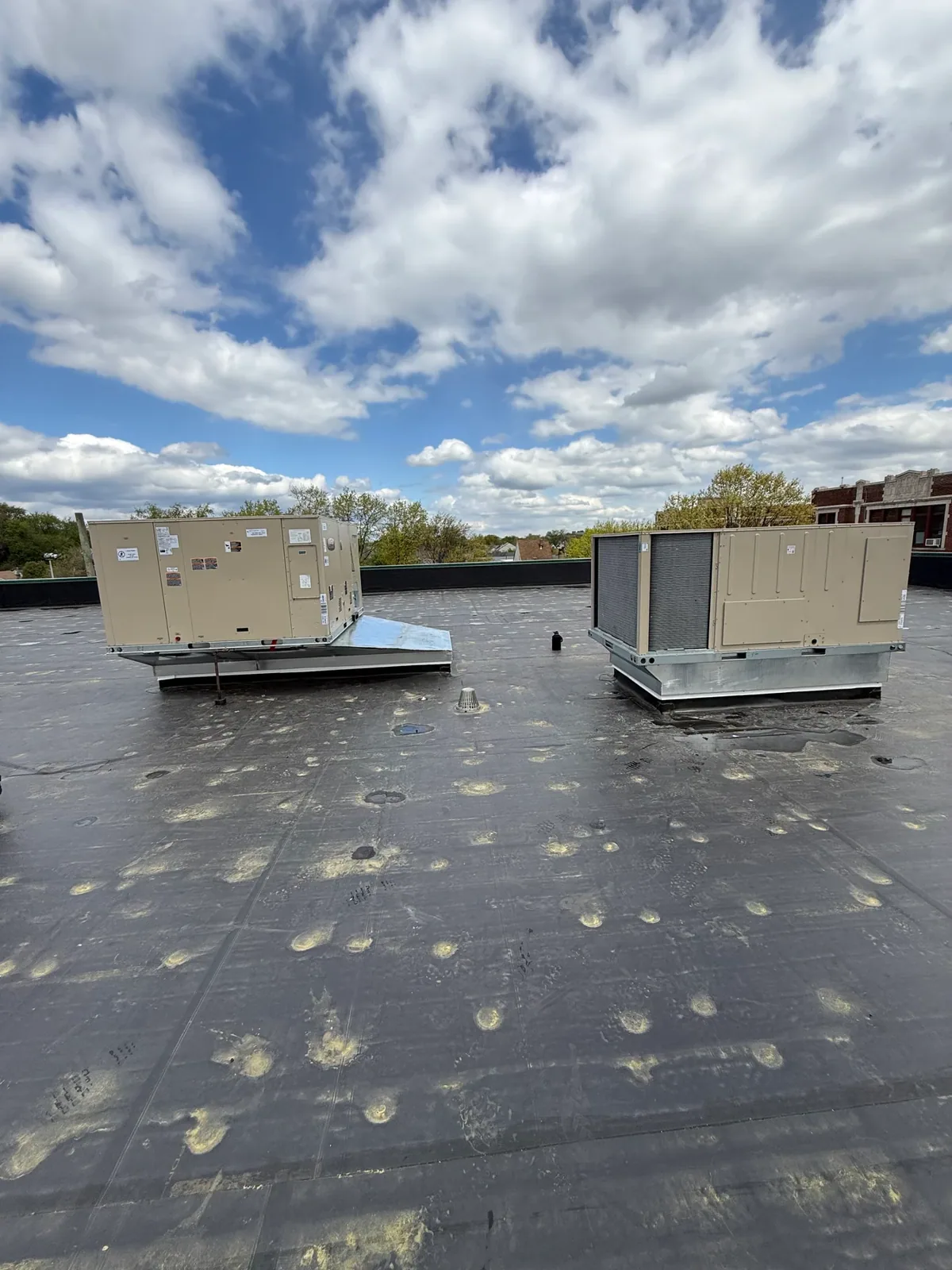
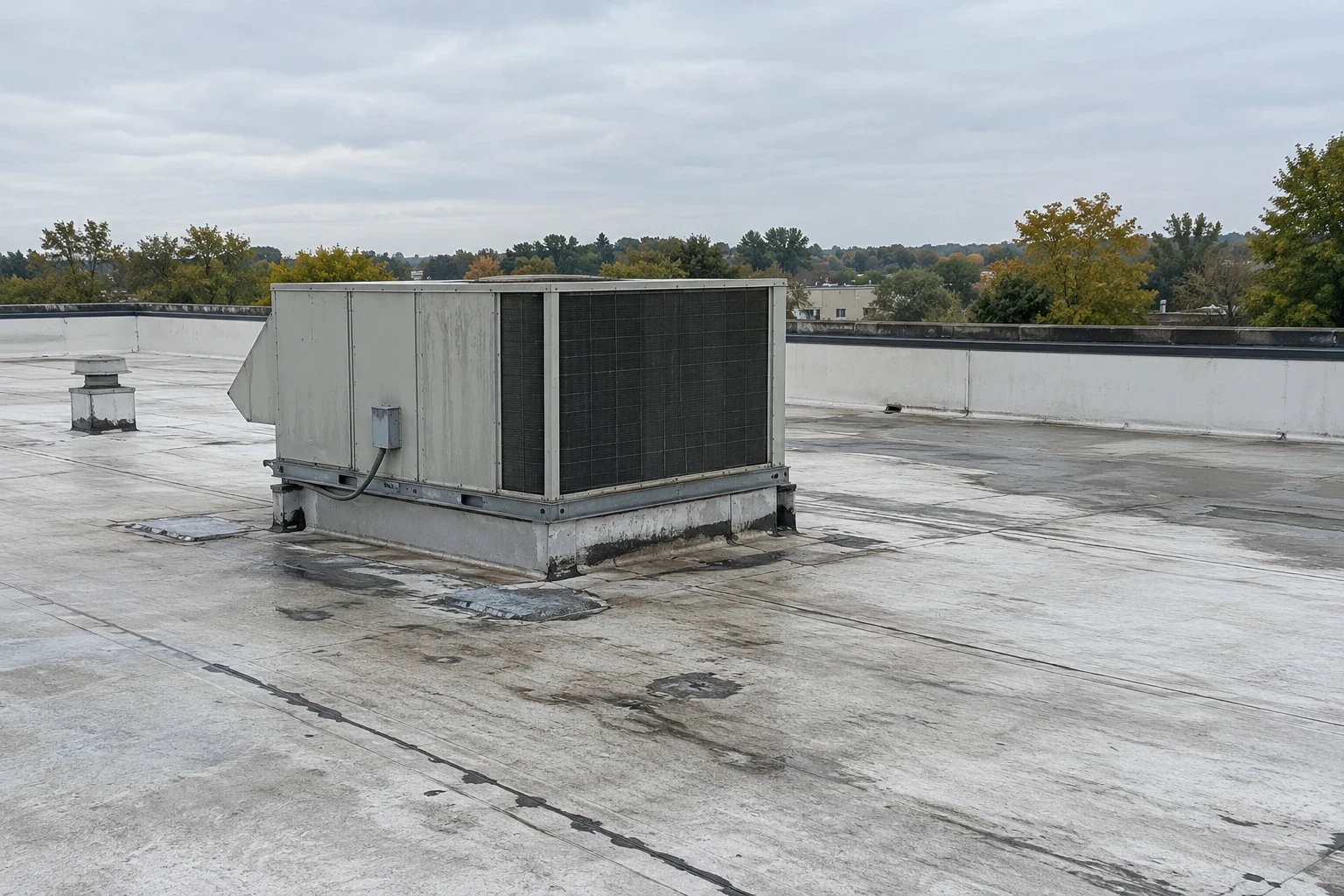
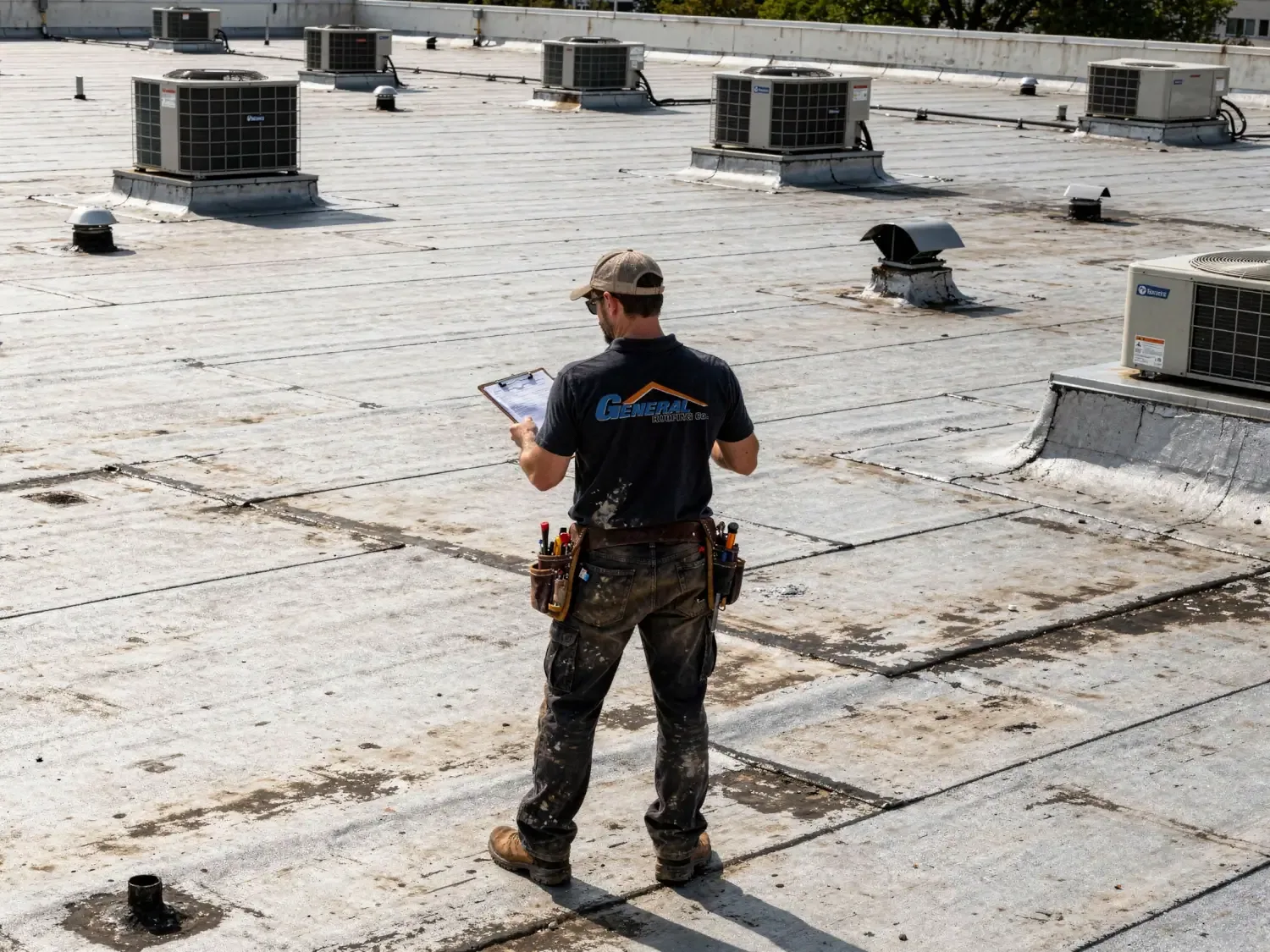
Most warranty trouble comes from the people who are not roofers. HVAC contractors set curbs, electricians run conduit, telecom crews mount antennas, and sign installers bolt frames to parapets. Each of them cuts or fastens into the system. A curb or support flashed to the maker's detail keeps coverage alive. The same curb flashed with mastic and a prayer usually voids it.
We recommend a simple rule for managers: no one goes on a warranted roof without notice, and every penetration gets inspected and photographed by a roofer before it is covered. When we do the tie-in, the detail follows the system's standard, and dated photographs go into the file. When another trade does it, we look at the work before the insulation or flashing is buried.
Repairs that keep coverage
Small leaks tempt owners to call whoever is nearest, and an unapproved patch can create a dispute later. Many warranties require repairs to be made with compatible materials and sometimes by an approved contractor. Before we touch a warranted roof, we confirm the membrane type, check what the terms say about repairs and photograph the area before, during and after. The patch is made with compatible materials, lapped properly and sealed at the edges.
The same discipline applies to routine upkeep. Clearing drain baskets, resealing coping joints and cleaning scuppers are conditions of coverage on many roofs. Skipping them does not just risk a leak. It gives the maker a reason to decline a claim. A maintenance program with dated visit reports is the cleanest evidence that the owner kept up the roof.
Snow and ice add their own habits. Brooklyn gets about 30 inches of snow in a typical year, and crews who chip ice off a membrane with a shovel can cut it as surely as a dropped tool. Our rule is to clear snow from drains and walkways only, using plastic tools, and to leave the field alone until it melts.
When weather tests it
Brooklyn roofs are tested by more than ordinary rain. A 2007 EF2 tornado tore a dealership roof off in Bay Ridge, Sandy put large parts of Red Hook under water in 2012 and the remnants of Ida produced the city's first flash flood emergency in 2021. Many warranties set limits on wind speed or exclude flooding and acts of nature, so the line between a covered failure and an excluded event matters.
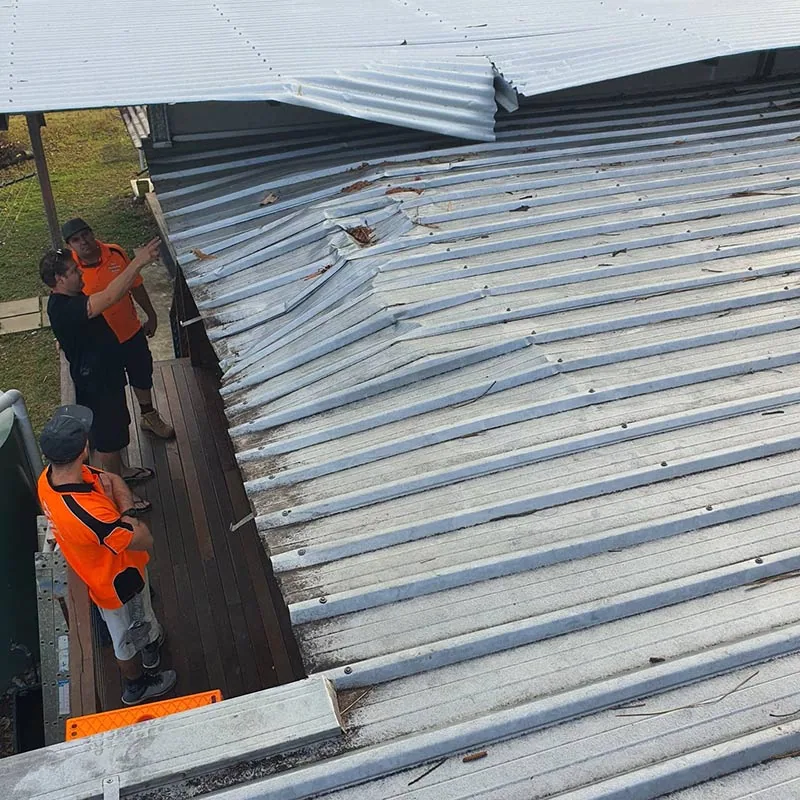
After a storm we walk the roof, photograph the damage in place and write down the edge, seam and flashing conditions. If the damage looks like a workmanship or material failure, we help the owner prepare the notice. If it looks storm-related, the same file supports the insurance claim. Either way, the record from before the storm shows what the roof looked like when it was last sound.
Sales, refinancing and handoff
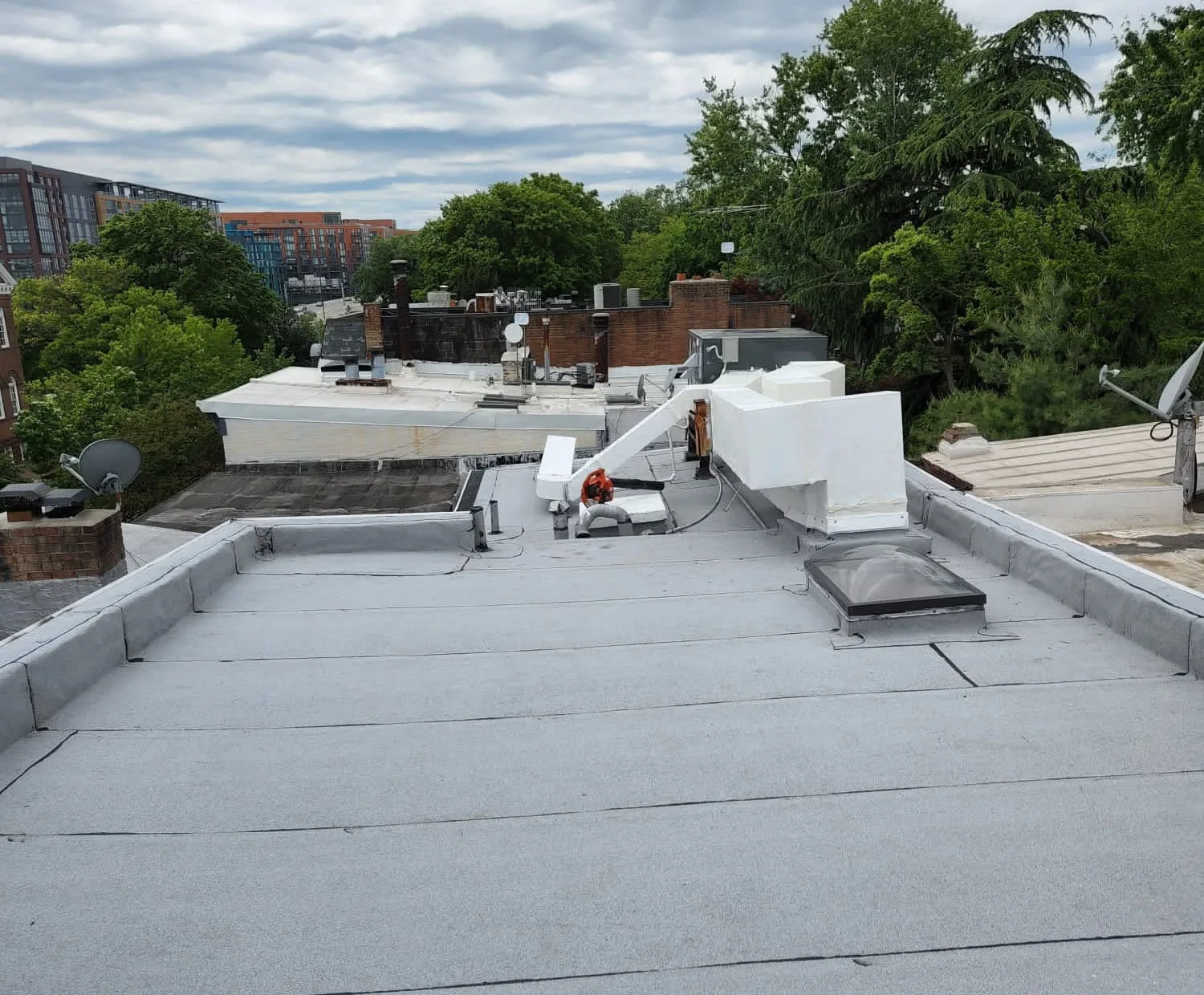
Warranty questions come up when a building changes hands or gets refinanced. A buyer wants to know whether coverage transfers, what notice the maker requires and whether the roof has been maintained. A lender wants the document and the evidence that the owner kept it valid. We assemble a clean file: the warranty terms as summarized for the building, the install records, every repair report and the latest condition report.
That file also helps a property manager who inherits a portfolio. In a Brooklyn block of mill buildings and lofts, such as the industrial stock in Sunset Park or Greenpoint, a roof may have changed owners several times, and the paper trail is often the weakest part. We rebuild it from what the roof itself shows and from what the previous owner can supply.
Many roofs, one calendar
Owners with several buildings need a calendar, not a stack of PDFs. We track each warranty's notice requirements, inspection dates and expiry in one schedule, tied to the multi-site roof program where one exists. The schedule flags roofs where coverage is nearing its end, so replacement or extension decisions can be made before the paper expires and not after the first leak.
Commercial Roofing Questions
Does a repair by a different roofer void a manufacturer warranty?
It can, depending on the terms. Many warranties require compatible materials and a stated method, and some require notice before any work begins. An unapproved patch is the most common reason a maker declines a claim. If the roof is under warranty, send us the document first and we will tell you what the terms ask for. If the roof is out of warranty, the question does not apply.
Who should notify the manufacturer after storm damage?
The owner holds the warranty, so notice normally comes from the owner or the manager. We prepare the supporting photographs, the dated conditions and a written description of what was found, and we can attend the maker's inspection if the owner asks. Timing matters, because many warranties set a notice window after a loss is discovered, so start the file the same week.
What if the roof has no warranty paperwork at all?
Plenty of Brooklyn roofs do not. In that case we work from the roof: membrane type, labels, seam construction and the repair history we can see. That tells the owner whether coverage might still exist and whom to contact. If nothing turns up, the condition report still gives a dated baseline, and any new work can be documented from the start.
Can a warranty be extended through maintenance?
Sometimes, but it depends on the maker and the type of coverage. Regular maintenance keeps a covered roof in the condition the terms require, which preserves the coverage you already have. Whether a maker will extend or renew coverage on an older roof is their decision, and it usually follows an inspection. We prepare the roof and the paperwork for that inspection.
What should a manager photograph before any trade works on a warranted roof?
Photograph the full roof from the access point, the existing drains, every curb and the area where the new work will land, each with a date. Add a close view of seams within a few feet of the planned work. Afterward, take the same views again. Matching sets of photographs show that the membrane was sound before the trade arrived and what condition it was left in, which settles most arguments before they start.