Holcim Elevate Roof Systems in Brooklyn, NY
Some Brooklyn, NY roofs still carry a label with the older name, Firestone Building Products, stamped on a sheet of membrane near a hatch. The maker now sells under the name Holcim Elevate, and its commercial range includes EPDM, TPO and PVC membranes along with polyiso insulation and metal roofing components. A roof installed under the old name is still the same family of product, and the repair methods carry over. What has changed is the condition of the roof, and that is what we read first when we climb up to one.
Coastal exposure
The southern edge of the borough lives with the sea. Coney Island and Brighton Beach lay inside the 2012 evacuation zone for Sandy, and the Coney Island peninsula reaches only about 7 feet above sea level. Salt air attacks metal edges, fasteners, rooftop unit frames and the screws that hold termination bars to a wall. Single-ply membranes shrug off salt, but the hardware around them does not.
On coastal roofs we inspect the metal first. Rusted edge strips, bleeding fasteners and corroded counterflashing come out before the membrane is touched. We specify stainless or coated fasteners where the exposure calls for it and seal each penetration to the maker's requirements.
Wind at the edge
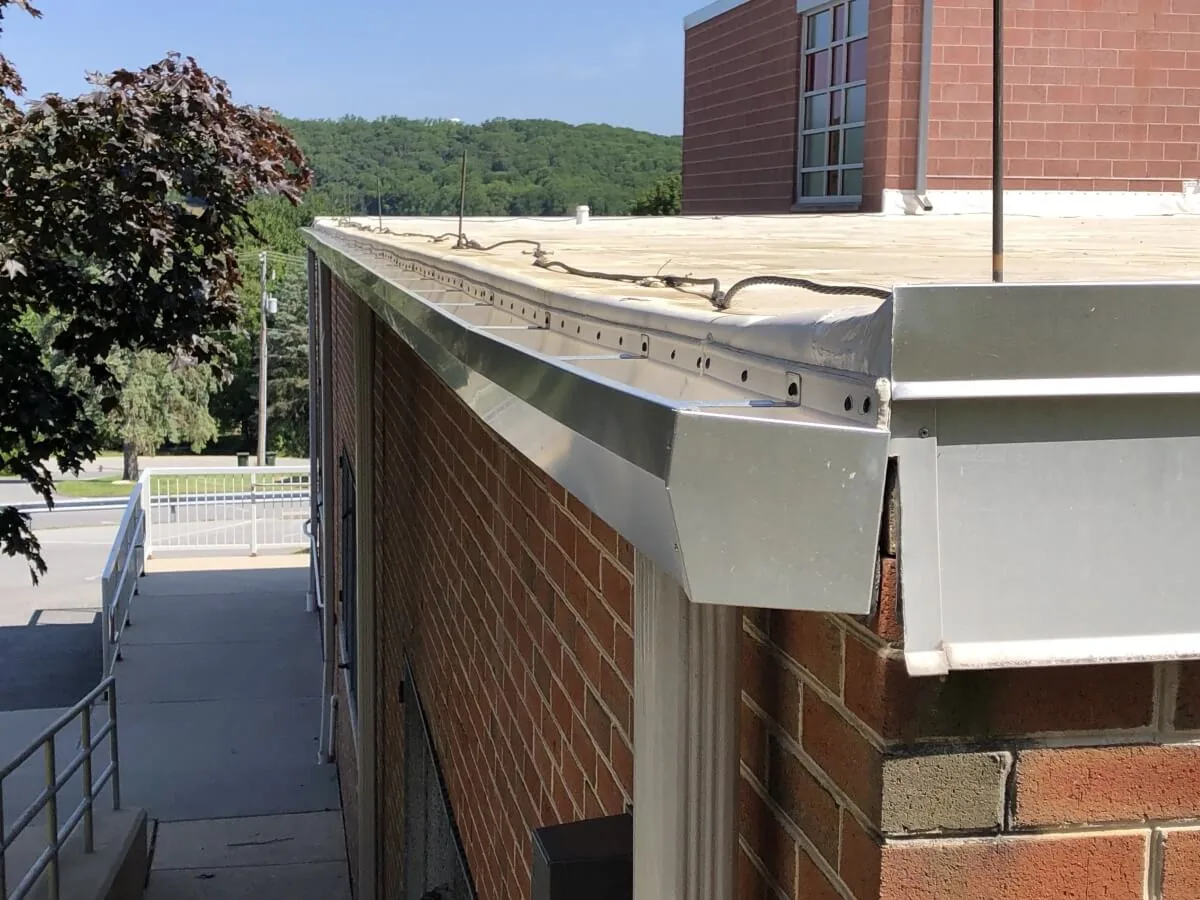
Roofs near Jamaica Bay and the Belt Parkway, in Canarsie, Mill Basin and Sheepshead Bay, can be exposed to wind with little to break it. The edge of the roof takes the load, and the way the membrane is attached at the perimeter decides whether it holds. We check the edge metal for fastening and laps, look for flutter in mechanically attached sheets and probe adhesive bonds on fully adhered ones. A tornado rated EF2 hit Bay Ridge in 2007, and while that was unusual, it showed what happens when an edge lets go.
Details that leak first
On a single-ply roof the field is rarely the problem. Corners, pipe boots, curb flashings, scupper liners and wall terminations are where the leaks start, because those details are cut and fitted by hand. We look for cracked pipe boots, dried-out sealant, lifted termination bars and loose pre-molded corners. Each of these has a known repair, and we make it with materials that match the membrane, not generic mastic from a tub.
Where an old detail has been patched repeatedly, we remove the layers of patching back to a clean substrate, then rebuild the flashing in one piece. A detail with three generations of patches almost always leaks again.
Which buildings
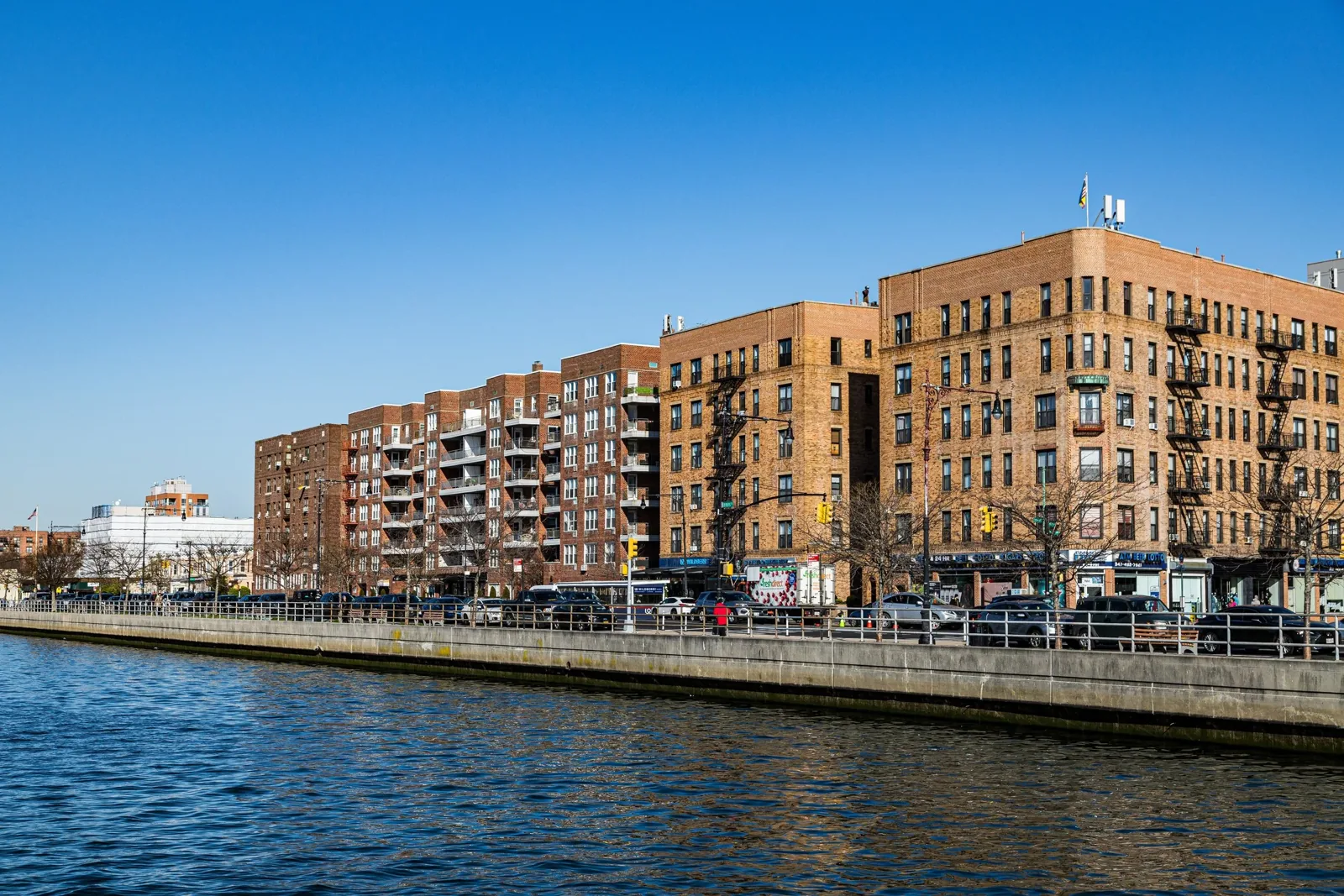
Single-ply systems from this maker appear on Brooklyn warehouses, retail strips and mid-rise apartments. Prewar six-story apartment houses near Brighton Beach have roofs that serve as the top of the building envelope for people living below, and a leak there reaches a ceiling quickly. Along Sheepshead Bay, Emmons Avenue's piers, tour boats and seafood market bring humidity, spray and kitchen exhaust to nearby rooftops, and grease on a membrane needs the right cleaner and a compatible sheet.
We match the system to the exposure. EPDM tolerates grease poorly, so a restaurant roof may call for a thermoplastic sheet with better chemical resistance.
Heat and the insulation under the sheet
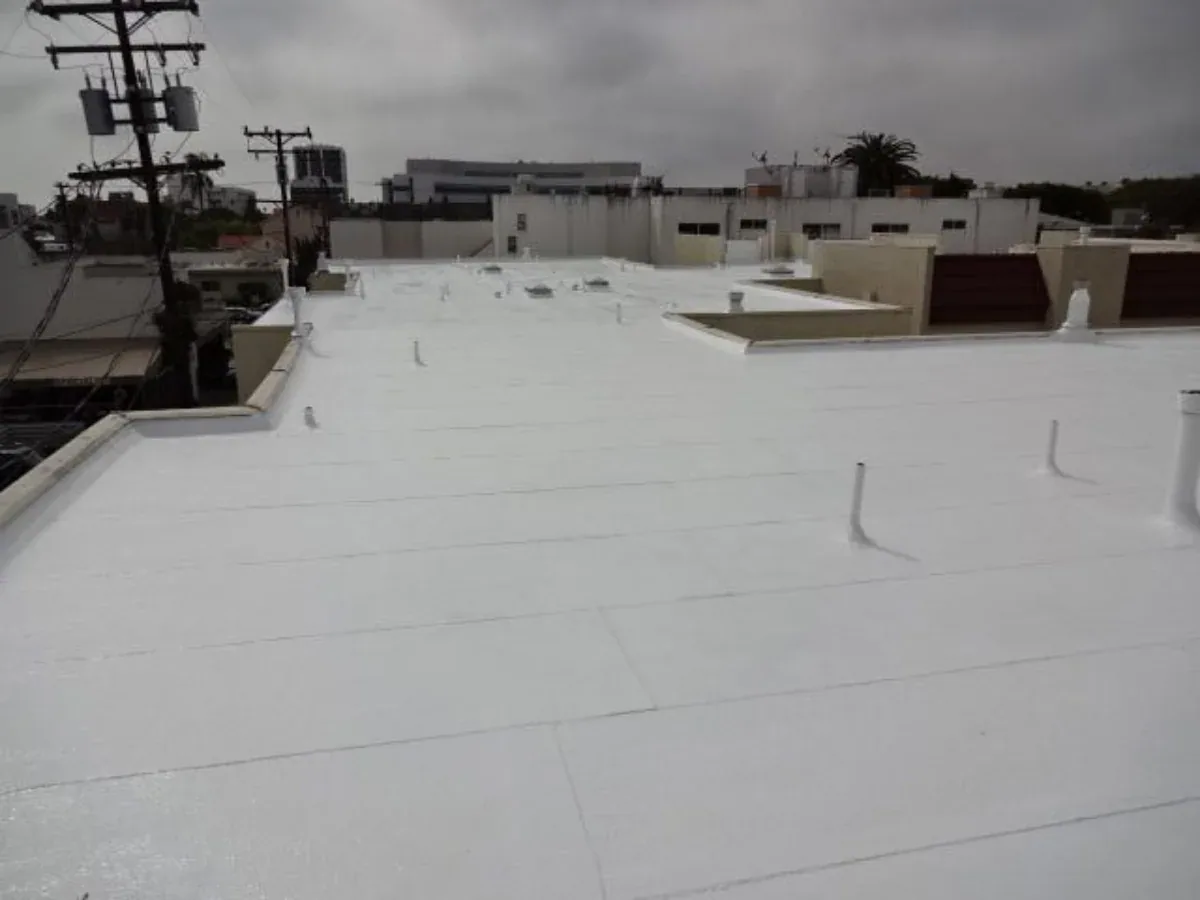
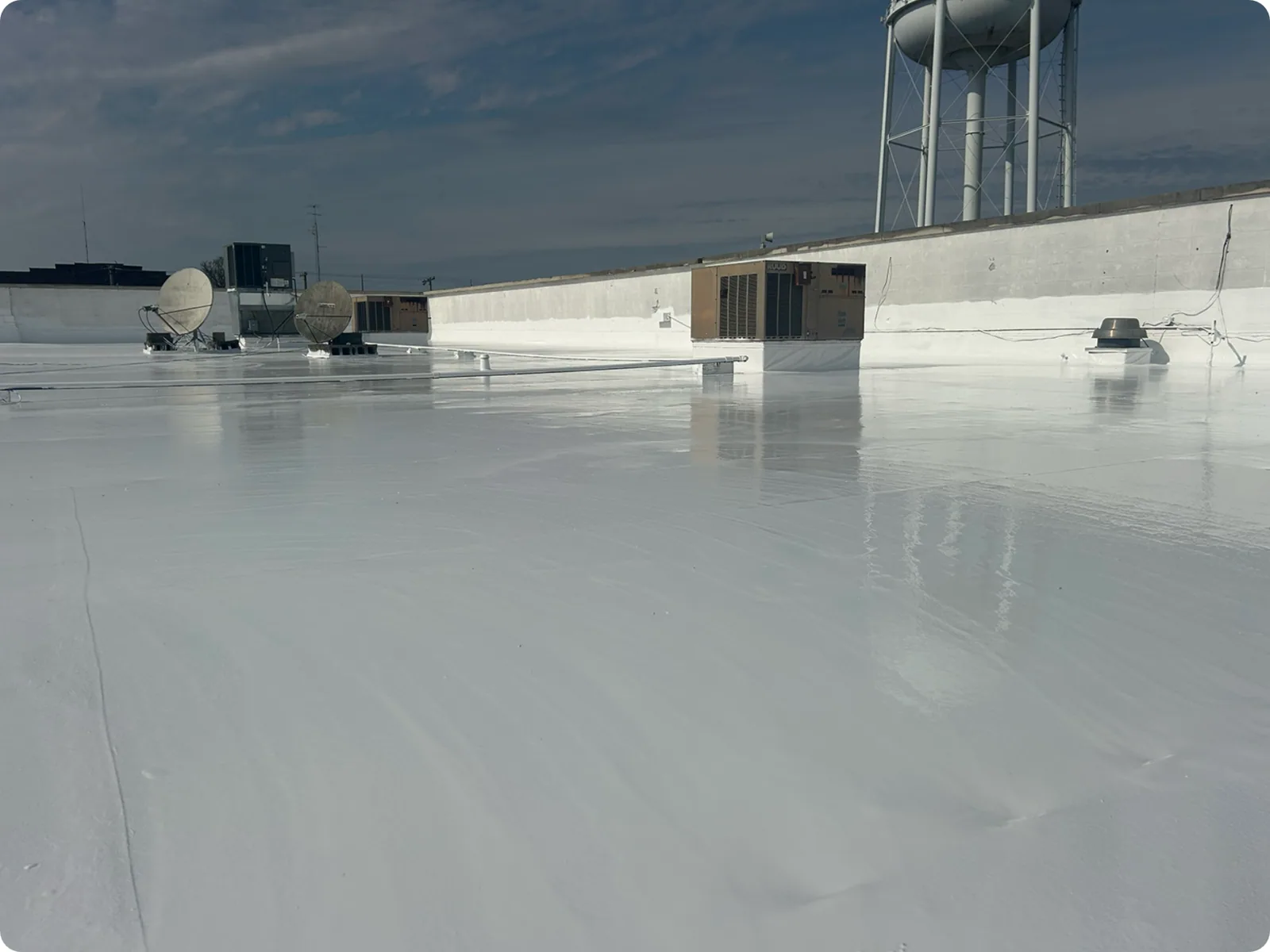
Brooklyn summers run hot, with a July daily high near 85 degrees and a strong urban heat island. A dark roof in that setting soaks up heat and pushes it into the rooftop units, which then work harder. A white thermoplastic or coated surface reflects much of it away, and a cool roof can be the simplest cooling-cost measure an owner has. We weigh that benefit against dirt pickup, foot traffic and the building's heating season before recommending a color, since a light surface that stays dirty loses some of its reflectance.
Membrane thickness matters too. A thicker sheet resists foot traffic and hail better, and we discuss the tradeoff with the owner when service crews will be on the roof often.
This maker also supplies roof insulation, and the board under the membrane matters as much as the sheet above it. Polyiso board is common because it offers good thermal resistance at modest thickness. On a replacement we choose the board thickness to meet the energy chapter of the city code, add tapered pieces where water needs a path to the drain and set a cover board where hail or traffic is a concern. On a repair, the question is simpler: is the board wet, and how far does the wetness reach? A scan and a few cores answer.
The fix in order
A repair begins with drying and cleaning. We scan for moisture, cut out wet insulation and clean the membrane around the repair area. The patch is cut round at the corners, set with the right adhesive or weld, and probed at the edges. Flashings get a bar and sealant at the top. Drains are checked, edge metal is tightened and the roof is photographed on the way out.
For larger problems, a recover or a full replacement may be the better route. We explain the options with the cost drivers named and let the owner decide.
Closeout walk
We close every job with a walk. The manager sees the drains running, the seams probed, the flashings photographed and the punch list marked off. If the roof is under a manufacturer warranty, we record the work in a form that fits the terms, and warranty records are updated the same week. A roof that could take Sika Sarnafil or Duro-Last as easily as this maker's sheet gets a written comparison of the membranes, how each is held down and what separates their prices.
Commercial Roofing Questions
Does an older Firestone label change the repair?
No. The materials in an older Firestone roof are the same kinds of membrane, tape and flashing the maker sells today, and repair methods follow the membrane type. What matters for the repair is which system is on the roof and how it is attached. For warranty questions, the owner may need the paperwork from the earlier date, and we help locate the right documents before any work starts.
What is the best system for a roof near the water?
There is no single answer, but a fully adhered or mechanically attached single-ply system with stainless hardware and well-secured edges does well on coastal roofs. The choice depends on wind exposure, the roof deck and the building's use. We look at the site, the deck, the drainage and the budget, then recommend a system. Salt does more harm to metal than to membrane, so we put extra attention on the edge and fasteners.
How can we tell whether our EPDM roof can be recovered?
We check for wet insulation with a scan, test adhesion where the old sheet is bonded and count the layers. If the insulation is dry and the sheet is attached well, a recover with a cover board is possible. If the sheet is shrunken, the seams are open or the insulation is wet, it comes off. Cores and a scan give a clear answer in one visit.
Is a roof like this ready for solar panels?
Often, once the roof itself is in good shape. Mounting a solar array on a worn membrane means pulling the panels off to repair it later. We recommend repairing or replacing the roof first, and flashing each mount to the system's requirements. Ballasted racks and attached mounts have different effects on the membrane, so we review the layout with the solar installer before work begins.
What is the first thing you check on a roof with a leaking skylight curb?
The corner flashings and the sealant bead at the top of the curb, because those take the movement. We then check the glazing gasket and the counterflashing. If the curb itself has settled, water collects at its upstream side, so we rebuild the curb flashing and add a small cricket to shed water around it. A skylight leak is often a flashing failure that a new glass unit would not fix.