Seam Failure Repair in Brooklyn, NY
Slide a blunt screwdriver along a lap on a Brooklyn, NY roof, with light pressure and the tip rounded, and you will feel the difference at once. A sound seam pushes back. A failed one gives, and the tip slips under the edge with a soft little sound. Seams are where two sheets of roof become one, and they are the first place a tired membrane gives up. A few open feet are an easy repair. A roof that opens everywhere is telling you something else. Mark each soft spot with chalk and take a photo with a tape measure beside it.
Our crews probe, diagnose and repair seams on single-ply, modified bitumen and built-up roofs.
Seams are not all the same
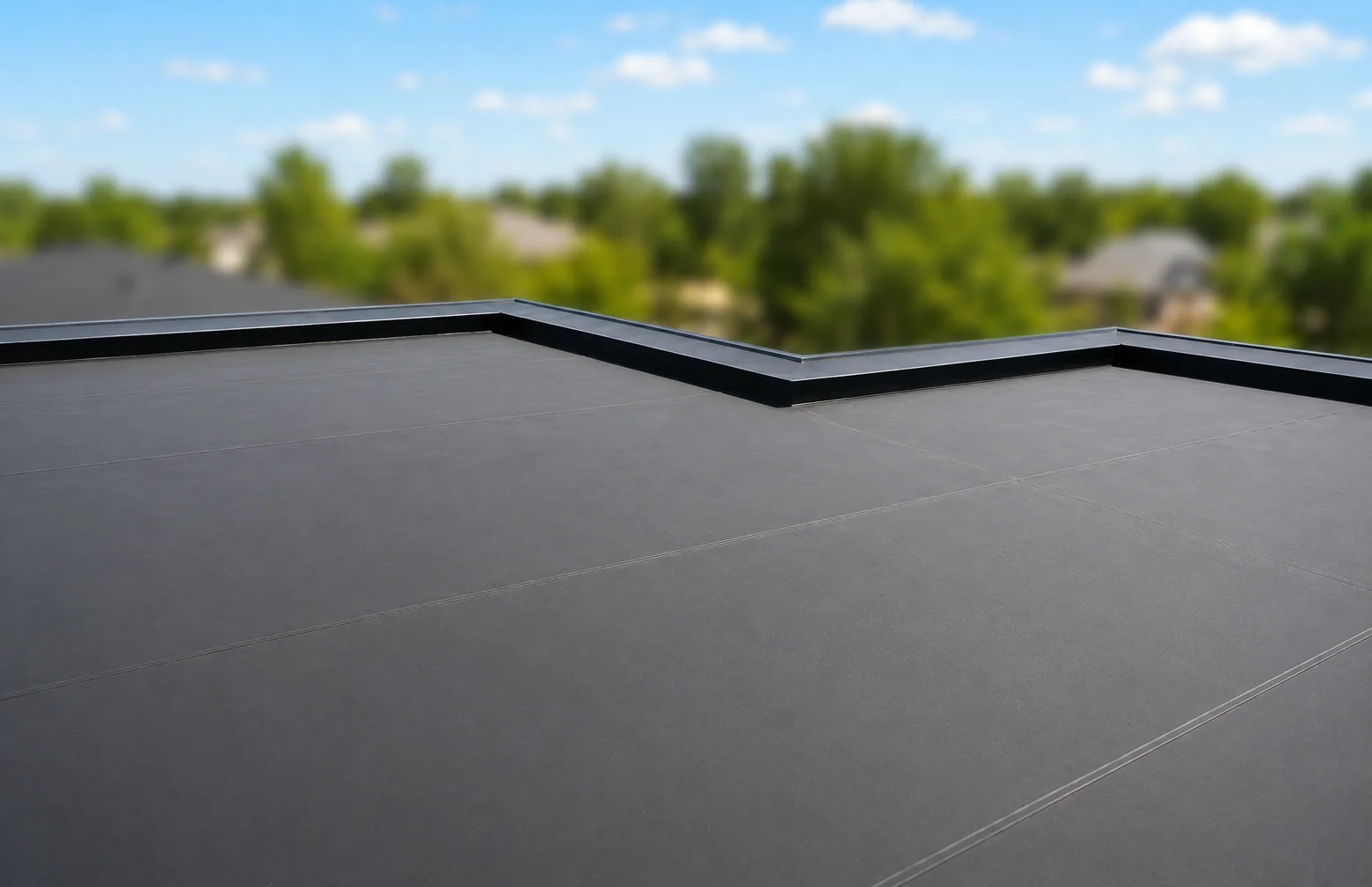
Thermoplastic sheets such as TPO and PVC are fused with hot air. EPDM is joined with adhesive or tape. Modified bitumen laps are torched, heated or glued cold. A tar-and-gravel roof laps felts in layers of hot bitumen.
Each fails in its own way. A cold weld peels clean. A dirty adhesive joint lets go at the edge. An underheated lap on a bitumen roof opens in winter. A dried tar lap curls. The repair has to match the joint, so the first job is to name the system. Check the roof drawings or take a small core before choosing the repair. Take a photo of the core with a ruler beside it.
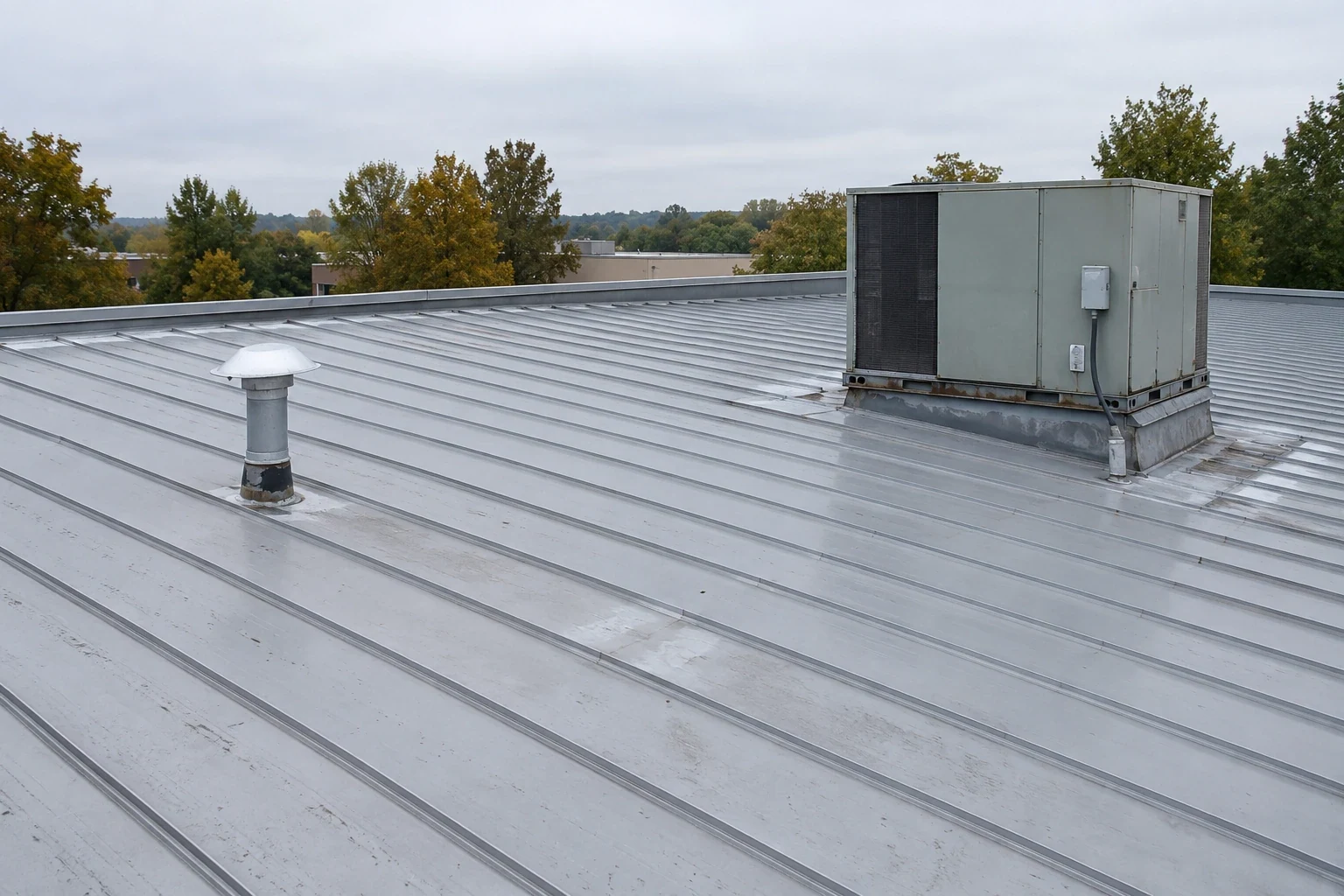
The probe itself is a plain tool: a rounded steel pick or a blunted screwdriver, drawn along the edge of the seam with light pressure. A good weld resists. A bad one yields with a soft sound. We mark every yield point with paint, measure its length and record it on a plan, so the count of open feet is known before a price is set. A seam walked on a cold morning feels different from one walked on a hot afternoon, so we note the temperature as well, and we probe the same laps twice if the first reading is close.
Why seams open
Four reasons come up again and again. Workmanship: a weld made too cold or a lap with dirt in it. Movement: the sheet shrinks or the deck shifts. Standing water: a pond keeps a seam under load. Age: the sheet dries out and the edge turns brittle.
Brooklyn adds its own stress. A seam here goes through a summer with highs near 85 F under a strong heat island, then a winter with snow near 30 inches a year and freeze-thaw swings. A downpour like the one Ida's remnants delivered on September 1, 2021 leaves a pond that tests every lap. We note which cause fits the pattern. Check whether open seams gather near drains, near walls or out in the middle of the field.
Shrinkage ties several of these together. A contracting sheet pulls on every lap, flashing and fastener, and a gap at a wall or a bridge of membrane across an inside corner gives it away. Measuring the pull-back in inches this year and next shows how fast the sheet is aging and whether a patch has any chance to hold.
The repair itself
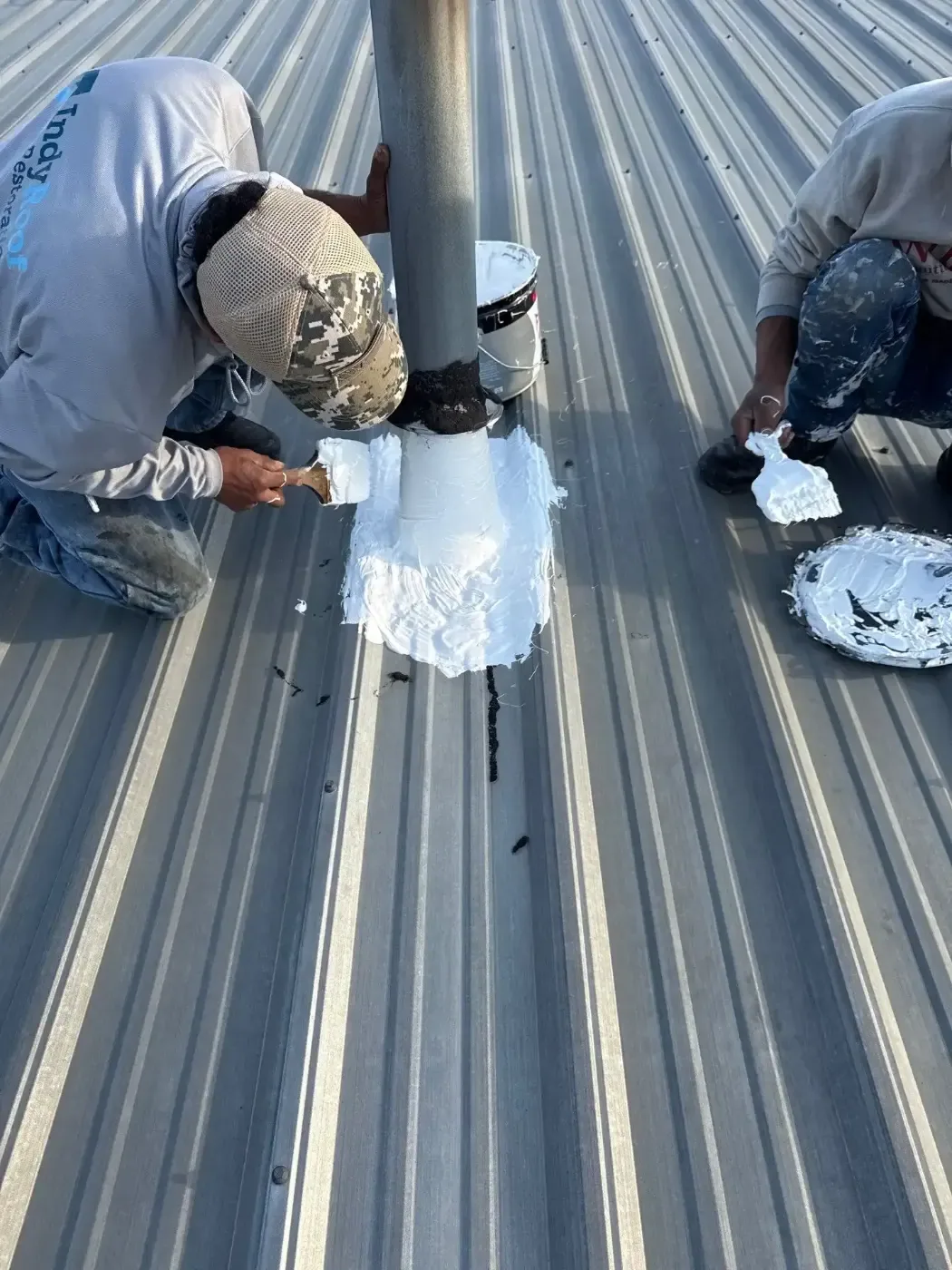
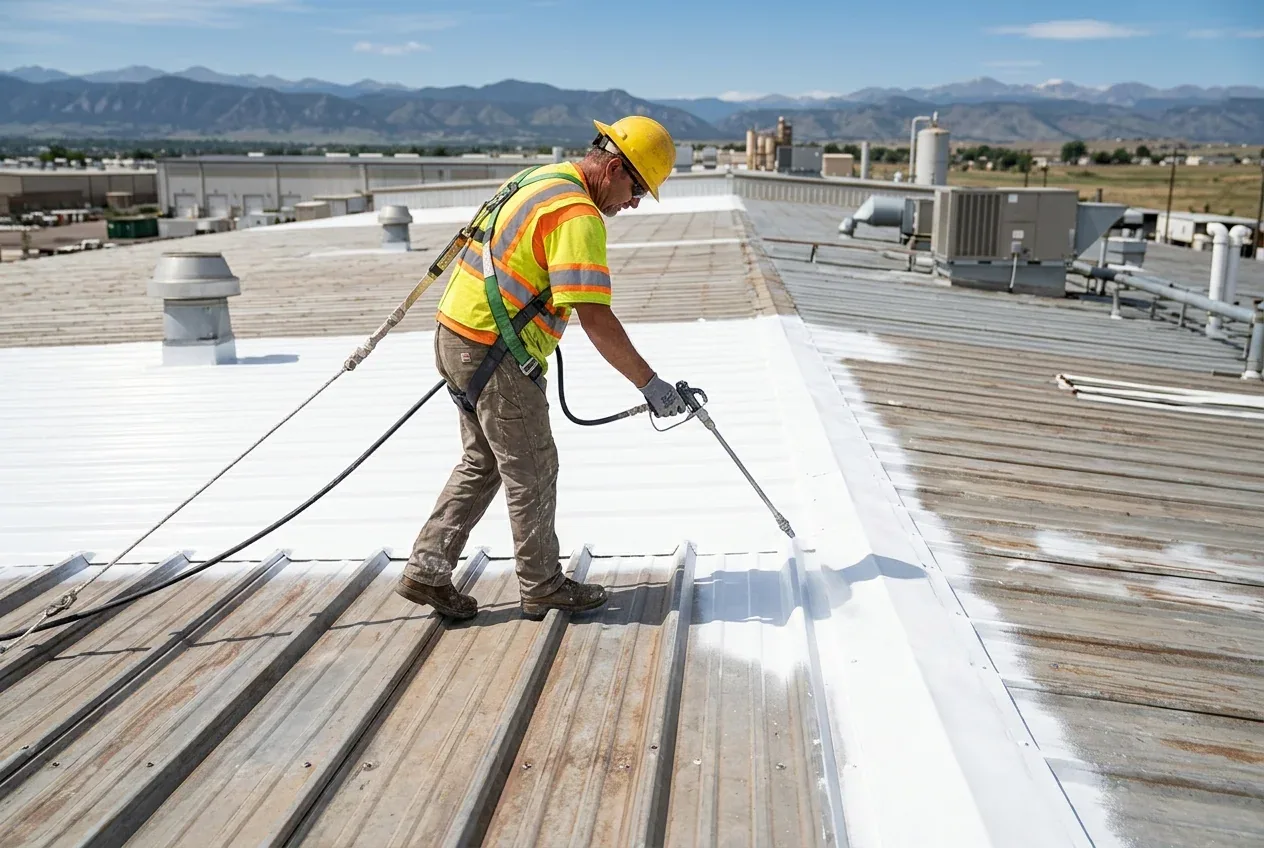
On a thermoplastic roof, the open seam is cleaned and re-welded with a hot-air gun and a roller, and a cover strip goes over a damaged edge. On EPDM the joint is cleaned, primed and re-taped, and a patch goes over the repair. On modified bitumen, the lap is heated and pressed, or cold adhesive is applied and the lap is weighted. A built-up lap is re-mopped and covered with a stripping ply.
Every repaired seam is probed afterward. Where the system calls for it, we cut a test sample. If seams have failed all over the roof, patching is poor value, and the survey compares repair with a roof coating restoration or a full replacement. Welds and adhesives need dry, moderate weather. Note the length repaired in the log.
The record shapes how the repair is read later. We photograph each seam before and after with a ruler for scale, and write the method and the material on the plan beside it. If a seam opens again, the log shows whether the repair or the original joint failed, which matters when two parties disagree about who owes the fix. A repair that is logged is a repair that can be defended, and an unlogged one is a guess about what was done.
When the seam is a symptom
A line of open seams along a pond is a symptom of the pond. A seam open at a wall may come from a failed flashing and the shrink that went with it. Seams open across the field point to a sheet at the end of its life or to a poor install. Ignore the cause and the repair lasts a season.
So we map seam findings against drains, walls and equipment. Standing water gets a ponding water repair. Wall problems get a flashing failure repair. An old tar-and-gravel roof in Sunset Park or a mill roof in East Williamsburg may carry several generations of laps, and the oldest open first. Keep a seam map with the date of every repair.
Feet, tools and carts
Foot traffic splits seams. Service staff walking to a rooftop unit put point loads on laps, and a dropped tool can start a tear. A cart wheel across a lap is worse. The survey marks where the traffic runs, and walkway pads along the route protect the sheet.
A seam that opens along a path is a different problem from one that opens along a pond, and the fix is a pad and not a patch. Tell the HVAC crew where to walk, and post the route at the roof door. Weather limits the repair too: welds need dry, moderate conditions, so a January patch may hold only as a temporary measure. We tell the super which repairs are temporary and when each will be redone.
What seams mean for budget and lease
A few open seams on a sound roof are a small repair. Open seams everywhere mean the sheet has a few seasons left, and the owner should plan for it. Makers often require their own repair method to keep coverage, so unauthorized patching can cost a warranty. Tenants who see leaks will ask who pays, and the lease decides.
We rate seam condition at each visit and track it year to year. If the rating drops, the roof moves up the replacement list. For owners in Greenpoint and other older districts, the rating feeds the capital plan. Photograph each repaired lap before and after, and keep the pictures in the file.
Commercial Roofing Questions
Repair the seams or replace the sheet?
How widespread the failure is and how old the sheet is settle the question. A handful of open seams on a sound sheet gets repaired, while failure throughout with brittle edges means replacement.
Can seams be repaired in cold weather?
Some methods work in the cold and others need warmth and a dry surface. A temporary dry-in keeps the roof tight until the permanent repair can be done properly.
How do we know a repaired seam will hold?
We probe the whole length after repair and cut a test sample where the system calls for it. We also look at the cause. A seam repaired but still under a pond will fail again.
Does seam repair affect the warranty?
It can. Warranties often say who may repair and how. We follow the maker's method and record the work so the file shows it.
What should the super do about a leak before the repair?
Photograph the stain, note the rain, keep the area below protected and call. The leak and the open seam are not always in the same place, so the walk traces the path.