Roofing for General Contractors in Brooklyn, NY
The roof line in a general contractor's schedule is short on paper and long on site. Its start depends on the hoist, the crane window, the sidewalk shed, the mechanical sub's curbs, the facade crew's scaffold and the weather. A core cut taken before the bid tells the contractor what is under the old roof and how much has to come off, and that one measure moves the price and the days. Brooklyn, NY jobs squeeze every one of those dependencies into a tight lot, often a loft or mill building with an old tar-and-gravel build-up. Before we price, send the schedule, the logistics plan and the roof drawings.
We install roofs as a trade partner for general contractors, and we write our scope to fit the project schedule.
A scope that holds up
A complete scope names the existing conditions, the new system, how much insulation is replaced, flashings and edges, drains, openings, testing and closeout. It lists exclusions in plain terms: deck repair beyond a stated quantity, abatement, work by other trades.
In New York City the 2022 construction codes govern, with Chapter 15 of the Building Code on roof assemblies and rooftop structures and Chapter 13 on energy efficiency. A contractor who carries those items early avoids a change order in month three. We review the roof drawings against our walk before the bid goes out, and we flag anything the drawings miss. Ask for the review early.
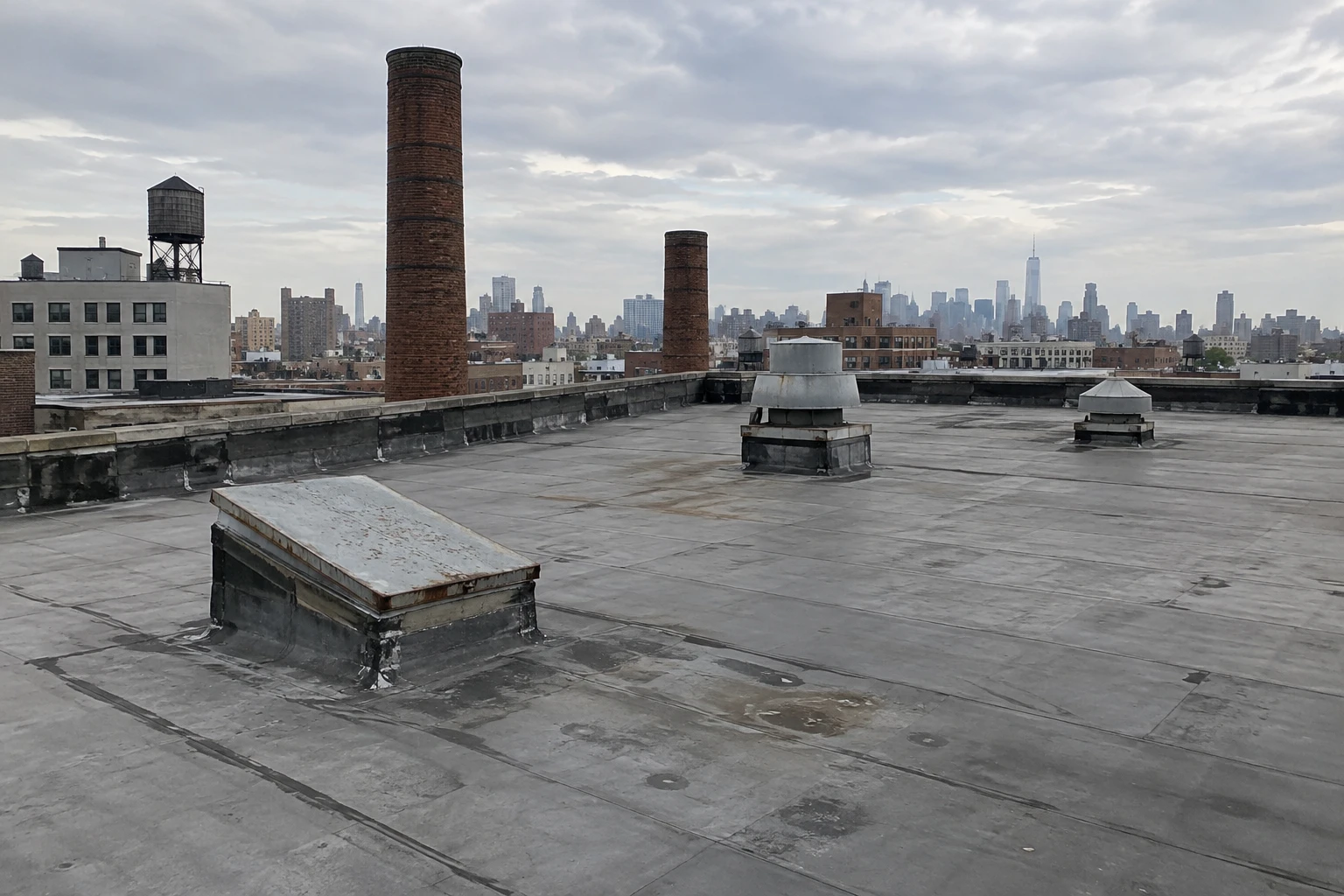
Scope gaps hide in old buildings. A loft or mill roof may have skylights nobody drew, abandoned stacks, a second set of felts under the first or a tank stand that bears on the roof deck. Our walk finds these before the bid, and we list them as line items so the contractor can carry them or exclude them with the owner's knowledge. A roof drawing made from an old survey is only as good as the survey, so we trust the cores more than the sheet.
How the roof fits among the trades
The roof is a chain of handoffs. Structure, deck, vapor control, insulation, membrane, flashings, curbs, finishes. On a loft conversion in Williamsburg or Bushwick the mechanical and facade crews overlap with the roof, and the order matters.
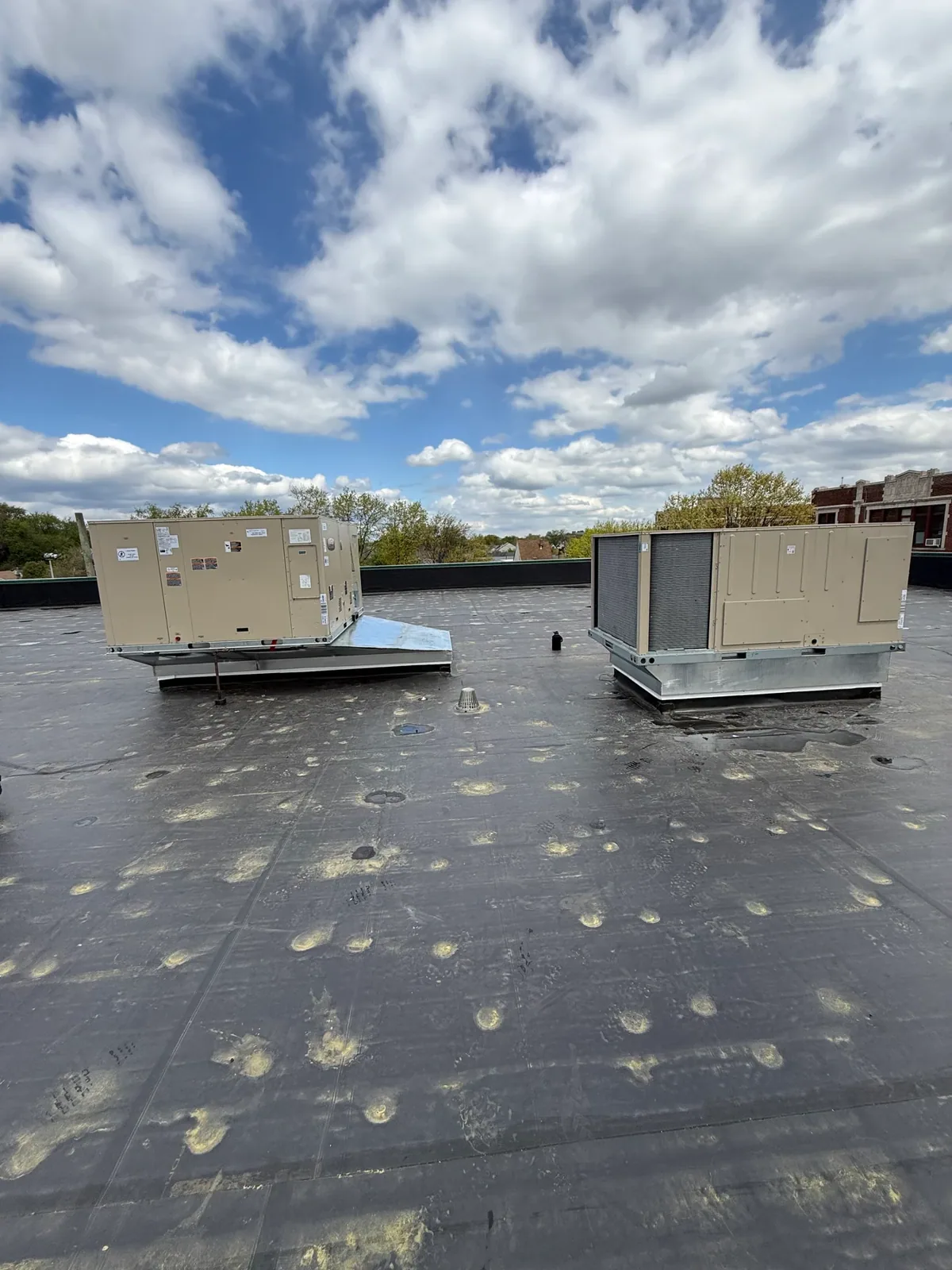
We settle curb heights with the mechanical sub, parapet heights with the facade crew and drain locations with the plumber. A curb set after the membrane damages it, and a curb set before needs a flashing detail. Rooftop equipment curbs and supports are the usual friction point. We join a short weekly call and publish a roof lookahead. Tell us the crane and hoist windows early.
Temporary protection needs its own line. When a building stays dry only because the roof is partly open and covered, the contractor must know which areas are protected and which are not. We mark them on the plan, update it each week and warn the super before any change. A short written notice keeps interior trades from loading finished floors under a section that is not yet closed, and it keeps the schedule honest about what the roof can bear.
Logistics on a tight Brooklyn lot
Materials come on a schedule the site's logistics lead controls. Rolls of membrane and bundles of insulation go up by hoist or crane, and a small roof limits how much can sit on it. We deliver what a crew can install the same day and cover the rest.
Debris leaves by chute or hoist at set times. Hot work follows a permit and a fire watch. In historic districts like the DUMBO Industrial District, with 95 contributing buildings, a visible change may need review, and the schedule absorbs the lead time. On an occupied building, the plan sets hours and protects entrances. Share the delivery windows and the street rules with us at the start.
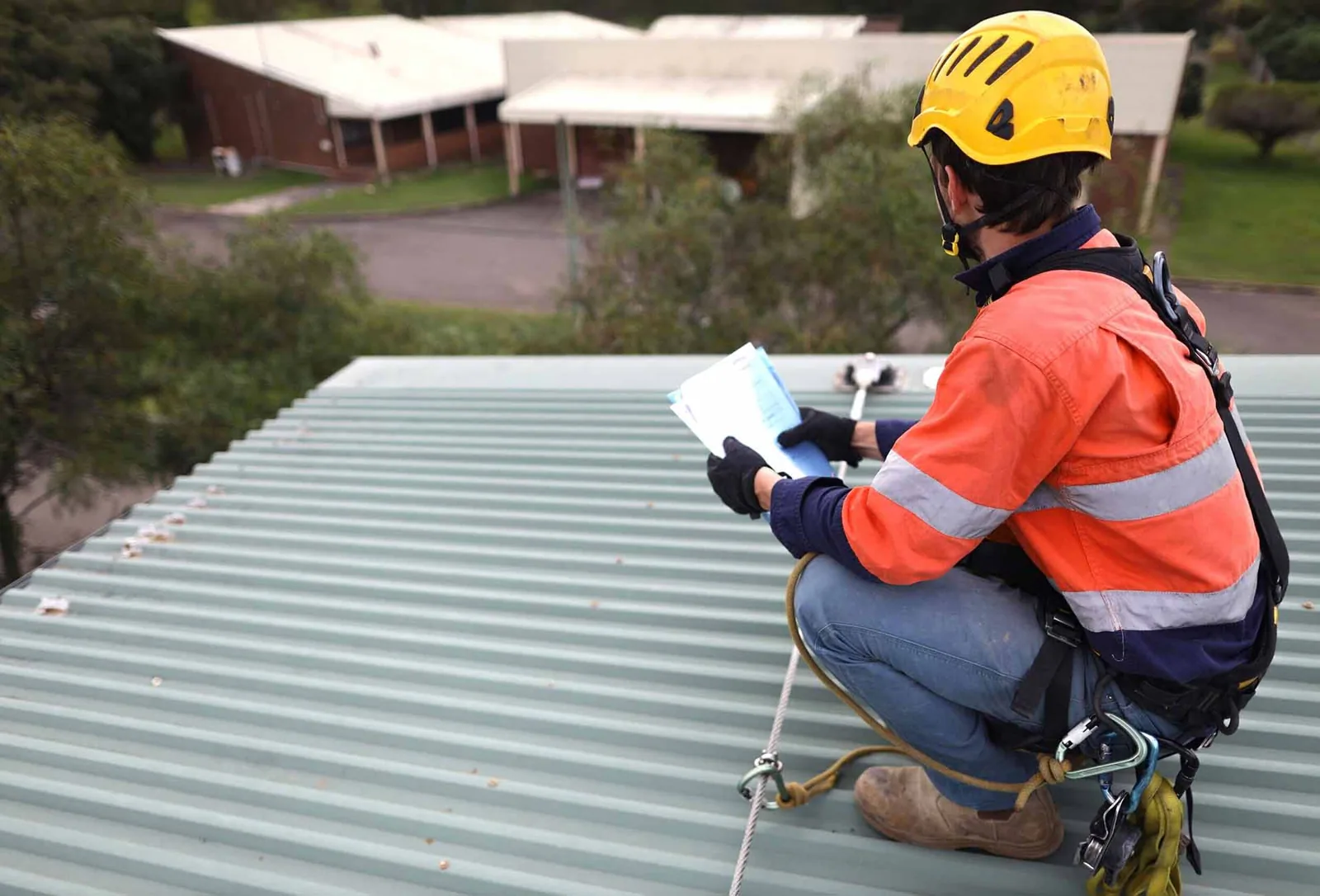
Neighbors count on a close block. Noise, dust and falling objects can reach the next building, and one complaint can stop a job. We post work hours, fence the drop zone, use chutes with covered ends and keep a spotter at the street when material moves. Fall protection, guardrails and a controlled access zone are in place before work starts, and the safety plan goes to the project's safety manager. A pre-task talk opens each shift, and the foreman reports to the super at close.
Weather is a line item
Of all the trades, roofing sits most exposed to weather. Winter snow reaches about 30 inches a year, summer thundershowers tend to come late in the day, and Ida's remnants forced a flash flood emergency on September 1, 2021. The plan closes each section weathertight before the crew leaves and keeps a dry-in kit on the roof.
An open roof with a storm in the forecast is a call for the super and the foreman together. An EF2 tornado came through Bay Ridge in 2007, so stored material is tied down against wind. Emergency roof repair response stays available after hours. Put weather days in the schedule and settle who pays for them in the contract.
When a claim funds the job
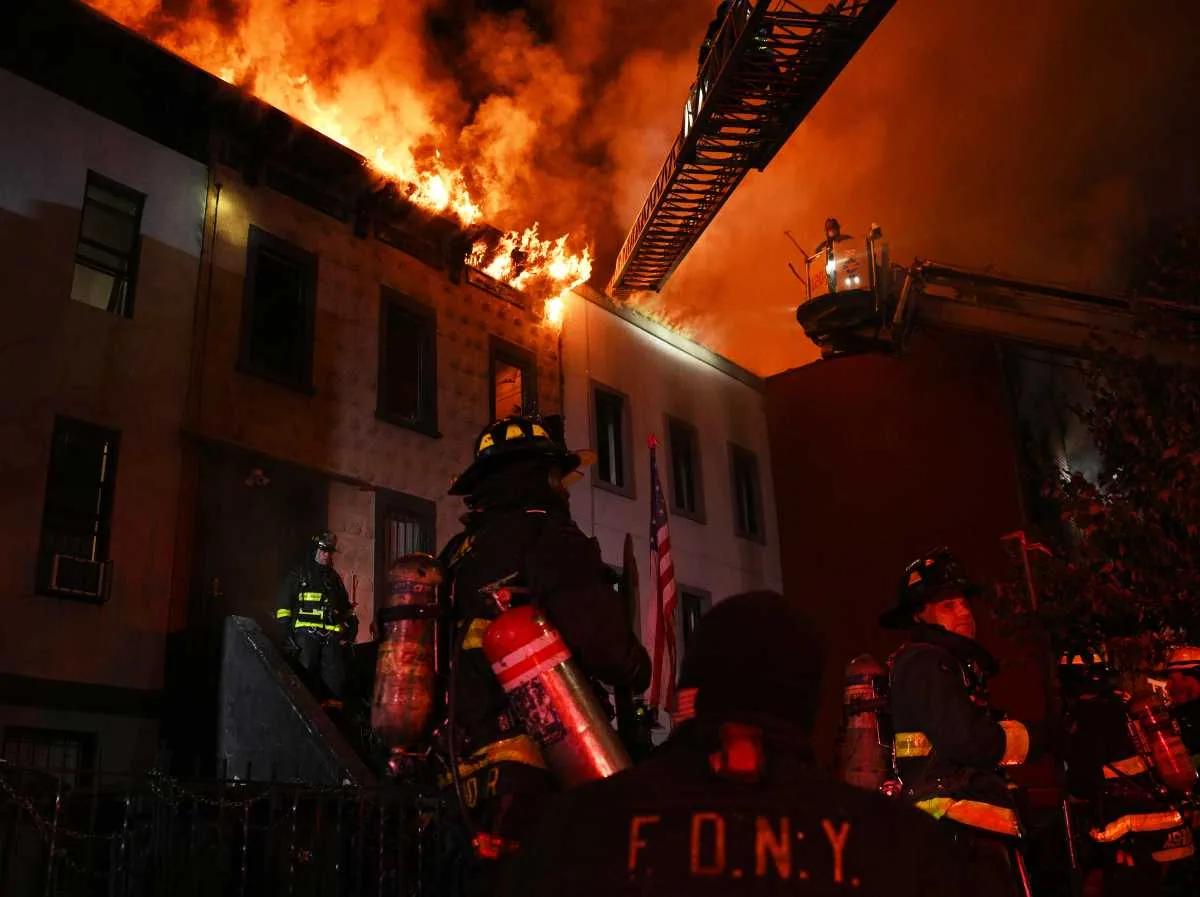
Storm jobs run differently. The carrier approves line items, and the roofing scope has to match them. The general contractor often works beside insurance and restoration professionals who control the claim.
We write the roofing scope in the carrier's breakdown, with quantities, and keep the damage record attached so the contractor can bill from it. If a supplement is needed, we send photos and measurements the same day. Confirm early which party holds the claim relationship. Keep a single log of dates for the roof, the interior and the claim.
Quality checks along the way keep the punch list short. We probe seams, check flashing terminations and test drains before a section is covered or released, and the owner's rep walks the roof once. Water tests at drains and a check for ponding after the first rain go in the log. Remaining items are listed with a place and a date, and the general contractor sees the list before the owner does. A short list at the end is the best sign the work was watched throughout.
Closeout the owner can use
The closeout package includes the as-built roof plan, submittals, test results, photos of each layer before it was covered, the maker's warranty papers and the maintenance steps. The finished roof gets a rating too, the baseline for the owner's reserve study.
Lenders and real estate investors and REITs read this package, and so do buyers. We deliver it as one folder and hold a walk with the owner's rep before final payment. A warranty management file tracks the dates. For jobs in Williamsburg, the owner usually asks for the folder at turnover. Close the roof package with the rest of the building's papers.
Commercial Roofing Questions
What matters most when choosing a roofing sub in Brooklyn?
Schedule reliability, access planning and paperwork. A sub that states its hoist needs, delivery sizes and closeout package in the bid has thought the job through.
Can you do a design-assist survey before bid?
Yes. Cores and a moisture map give you quantities for the old roof and flag conditions that would otherwise become change orders.
How do you handle hidden deck damage?
We price an allowance with unit rates in the bid and photograph each repair with its location. Anything beyond the allowance goes through a documented change order.
Who attends the coordination meetings?
Our foreman, with a roof lookahead in hand. Curb heights, parapet details and drain locations get agreed in writing.
What warranty papers come at turnover?
The maker's system warranty documents, our workmanship terms, the submittals and the maintenance steps, all in the closeout folder.