Roofing for Insurance Adjusters and Restoration Firms in Brooklyn, NY
An adjuster who climbs onto a Brooklyn, NY roof after a storm wants three answers before leaving: where did the water come in, what was the roof like before, and what does the repair cost? The edge of the parapet, a ring of silt at the drain and a pattern of wet insulation on a scan answer the first. A maintenance log answers the second. A scope by line item answers the third. A good roof walk delivers all three in a form that can sit in a claim file. Send the claim number, the date of loss and any earlier report with your request.
We document roof losses, make the roof safe and do the permanent repair for adjusters, carriers and restoration firms.
What a loss survey records
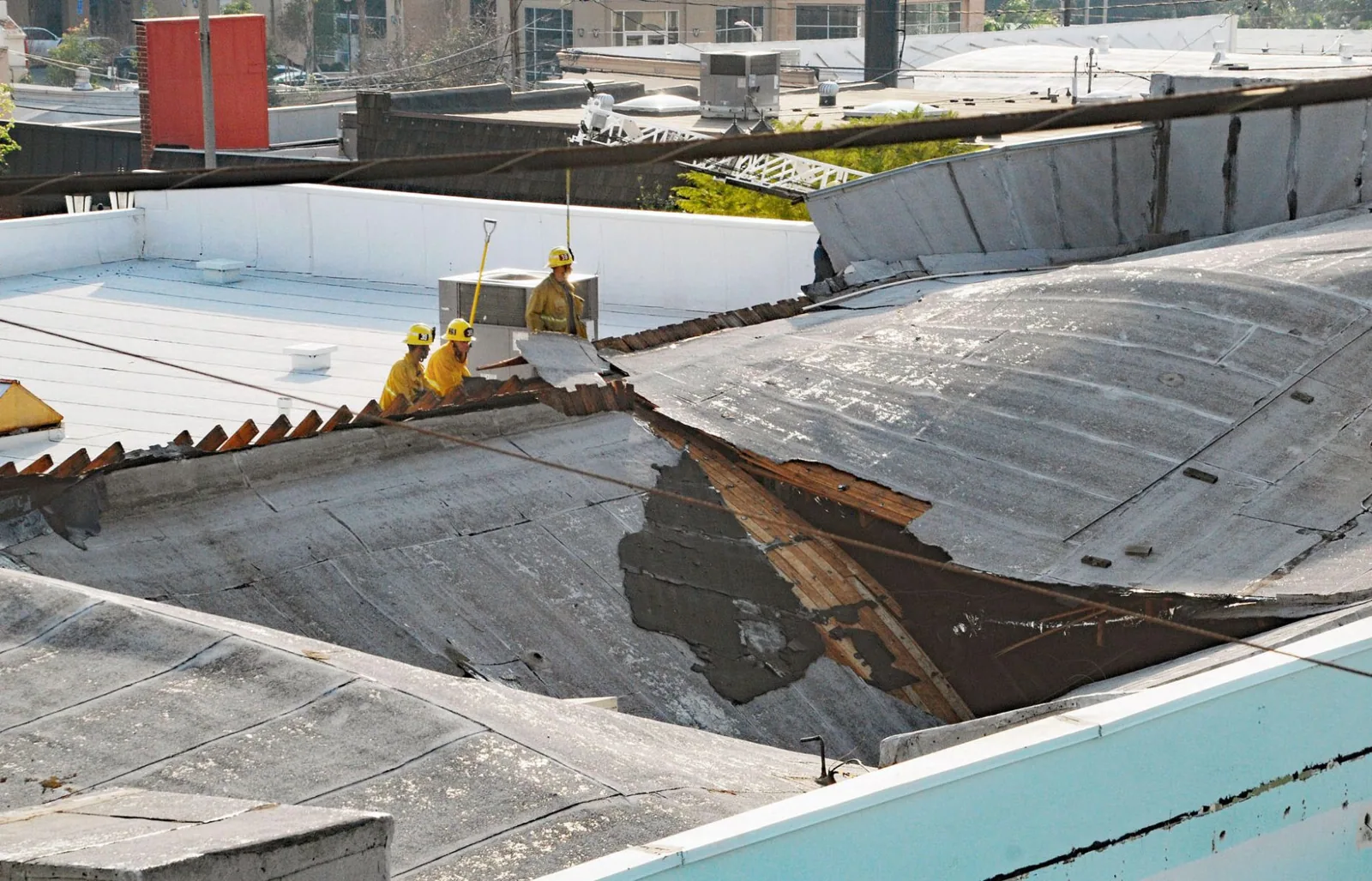
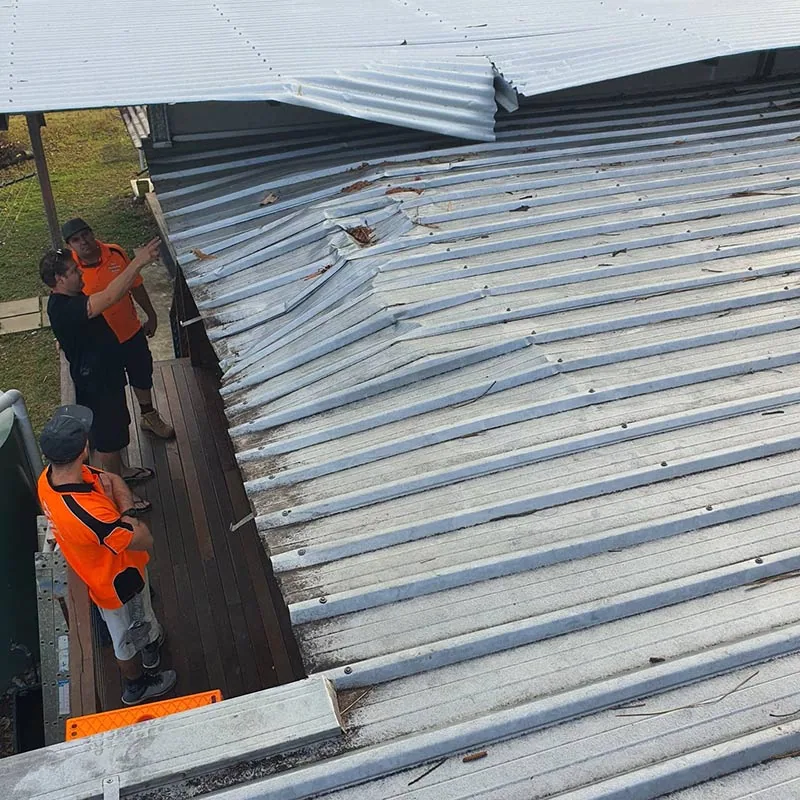
The survey marks each damaged area on a roof plan and ties it to a photo, a measurement and a likely cause. It separates sudden damage from age: a lifted edge after a gust, a puncture from debris, a flashing torn by ice, a seam opened by ponded water. It records moisture with an infrared scan and cores, and it names the roof system, its age and its remaining life.
After a cloudburst on the scale of Ida's, the survey also records drain condition, since a pond from a blocked drain is a maintenance issue while water through a torn flashing is damage. A storm damage roof repair scope follows. Ask for the survey within days of the loss.
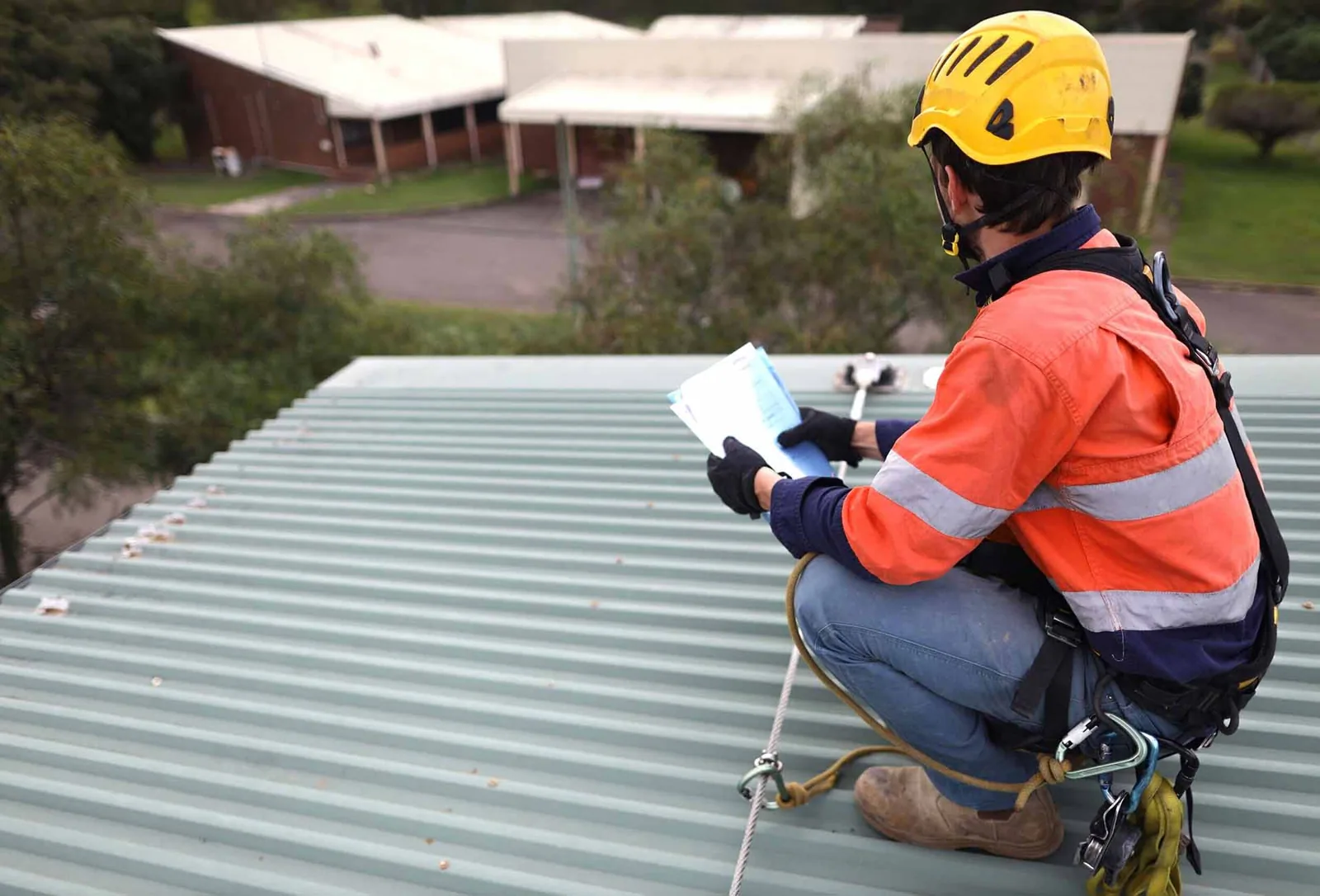
Access shapes the evidence. A Brooklyn roof is reached through a bulkhead door, a hatch or a ladder, and some only through a neighbor. We confirm access and fall protection before the visit, limit foot traffic on damaged membrane and, where the surface is unsafe to walk, fly a drone to record it from above while the cores wait. The report says which finding came from which method, so the adjuster knows how much weight each one carries.
Making the roof safe first
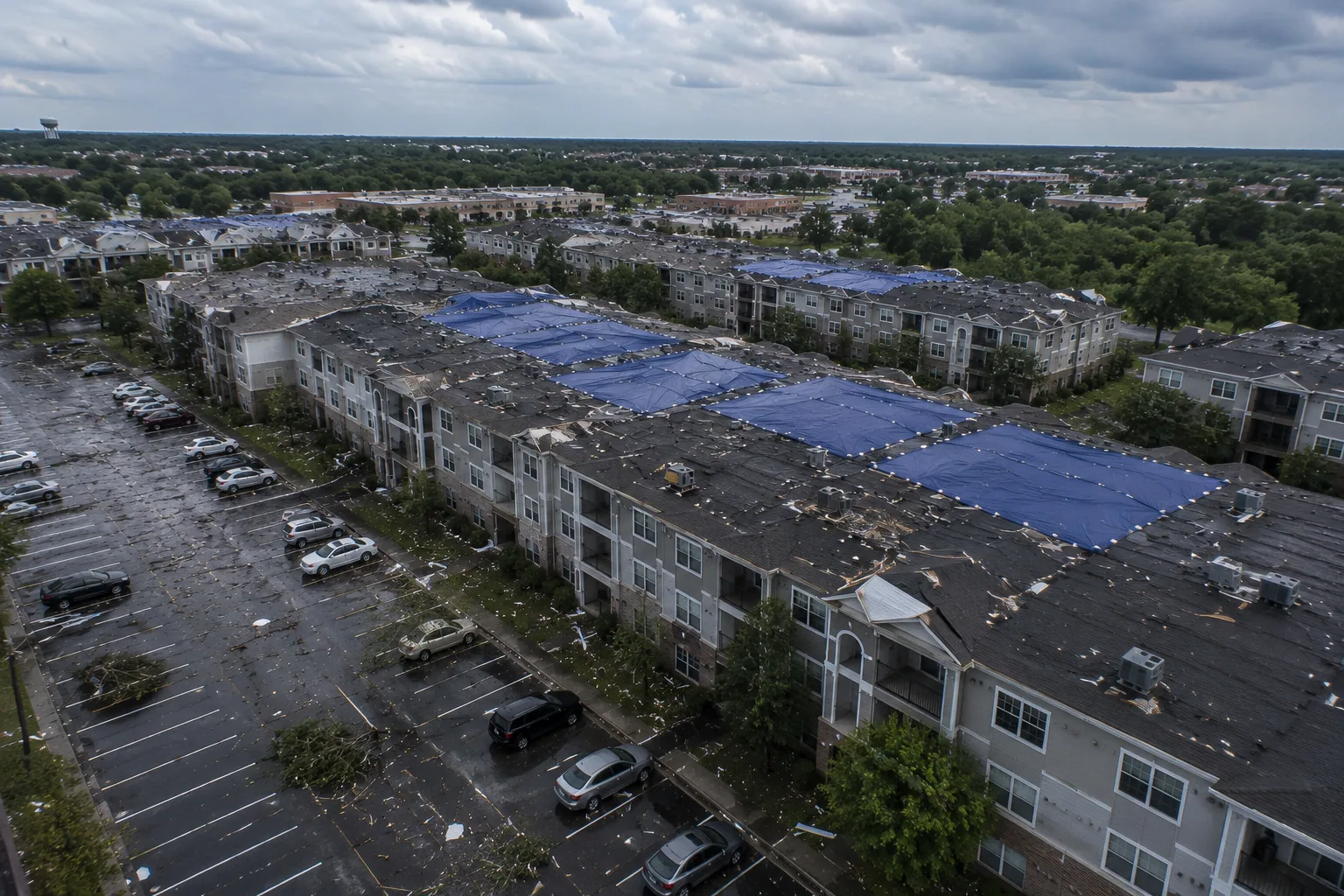
Policies expect the owner to stop further damage. Emergency dry-in is the first step: tarps fastened to the deck and not to loose metal, temporary patches at the entry, plugged drains and sealed openings. We photograph before, during and after and record the materials and hours.
Our emergency roof repair crews answer all night. On arrival they check safety, photograph the roof, dry in the worst area and write the cause they see. For a building with sensitive tenants, we protect the room below as well. Keep damaged material until the adjuster has seen it, unless it is a hazard. The temporary work is built to last until the permanent repair is agreed.
Perils and their marks
Each peril leaves a signature. Wind claims show lifted edges and displaced coping, as they did when an EF2 tornado crossed Bay Ridge in 2007 and took the roof off a nearby Nissan dealership. Claims from Sandy in October 2012 can mix roof damage with basement and equipment loss. Snow brings drift loads and ice, near 30 inches in a typical New York City year. Fire and smoke need their own survey, because heat harms membranes, insulation and deck. Our fire damage roof repair and wind damage roof repair scopes address those. Name the peril in the first message so the right surveyor goes.
Fire losses carry extra questions. Heat can shrink a membrane, melt flashing, char a wood deck or distort a steel one, and smoke can foul insulation with no visible burn. The survey records the extent of each, tests the deck where heat reached it and flags the structural engineer's role. Firefighting water adds a moisture problem on top, so the scan and cores that follow a storm apply here too. Keep the fire department report in the roof file.
Writing the scope for a claim file
The scope lists each item with a location, a quantity, a method and a cost driver. Emergency work is separate from permanent work. Items the loss triggers by code are marked so the carrier and the owner can discuss them. New work falls under the 2022 NYC Construction Codes, including the roof assembly chapter.
We use unit pricing where we can, so partial approvals apply cleanly. When the carrier and the owner disagree, the dated survey and the cores put both on the same facts, and roof insurance claim assistance prepares the file for that talk. Keep every supplement request with its photos.
Depreciation and age come up in nearly every roof claim. The core log is the best answer, since it shows the layers, their thickness and their condition, and it dates the roof by its construction. When a carrier asks for the age, the log and any old invoices give it. Tar-and-gravel roofs often hide several generations of work, and the log reads each one. A roof of unknown age is reported as unknown, never guessed.
Working beside a restoration firm
A restoration firm dries and rebuilds the inside. The roofer stops the source and restores the roof. Drying inside cannot finish while the roof leaks, and the roof cannot close until the wet insulation is out, so the two schedules move together. We share moisture readings with the firm's project manager as they change.
When an owner hires through property management companies, the roof scope goes to the manager as well. Where a general contractor leads the rebuild, general contractors get the roof lookahead. A loss in Red Hook or any flood-prone block is documented in the same format. Share readings between roof and interior as they change.
Timing keeps a claim clean. Notice to the carrier in writing, prompt dry-in and kept damaged material are the three habits that protect it. A roof left open for weeks lets a second rain mingle with the first, which makes the later water harder to separate from the loss. Every photo is dated, the weather is noted on each visit and each measure is logged, so anyone reading the file can follow the order of events without a phone call.
Closing the file
When the permanent repair is done, we deliver the final photos, the material data, test results and a rating for the restored roof. The adjuster can close the file with proof of completion, and the owner holds a baseline for the next event.
Where the age of the roof was never recorded, the report says so and estimates remaining life from the state of the membrane, so both sides talk from the same evidence. A carrier reading the file a year later finds the access notes, the dry-in photographs, the cause of each damaged area and the closing record in one place, in the order the work happened.
Commercial Roofing Questions
How do you tell storm damage from wear?
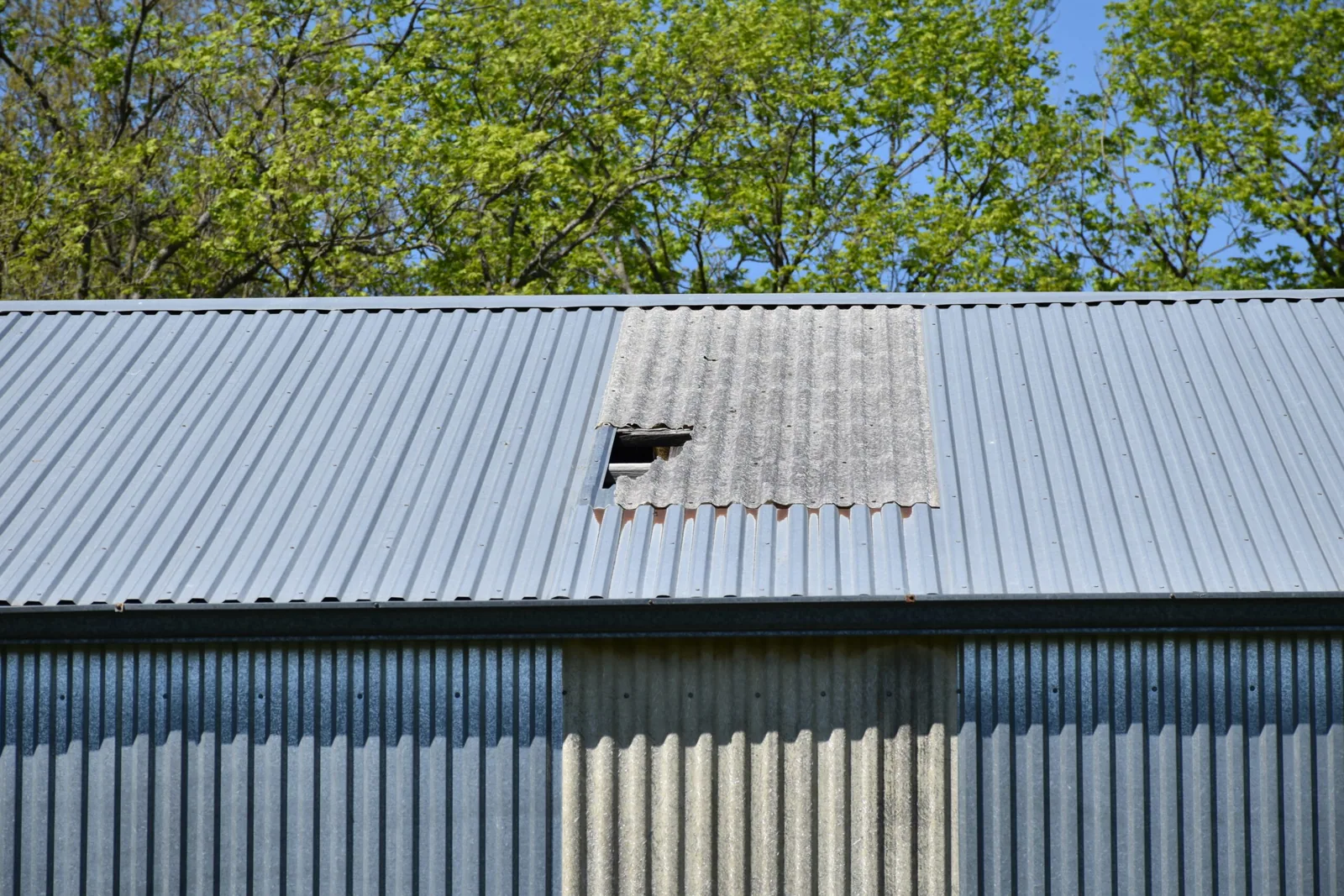
By the pattern. One-sided damage, such as a fresh edge lift, a torn flashing or a puncture, points to an event, while widespread cracking, alligatoring or blistering points to age. The survey records both and says which items belong.
How soon can a surveyor reach the roof?
The emergency line runs all night, and a survey follows as soon as access is safe. Send the address, the date of loss and photos, and we put active leaks first.
Can you write the estimate in the carrier's format?
Yes. We write line items with quantities and unit costs and can match the format the carrier uses. Send the template with the claim.
Can a temporary repair become the permanent one?
Sometimes, if it meets the system's requirements and the rest of the roof is sound. Otherwise it is replaced. The decision is recorded either way.
What if more damage shows up after work begins?
We stop, photograph the new condition and send a supplement with measurements. The adjuster can inspect before the repair goes on.